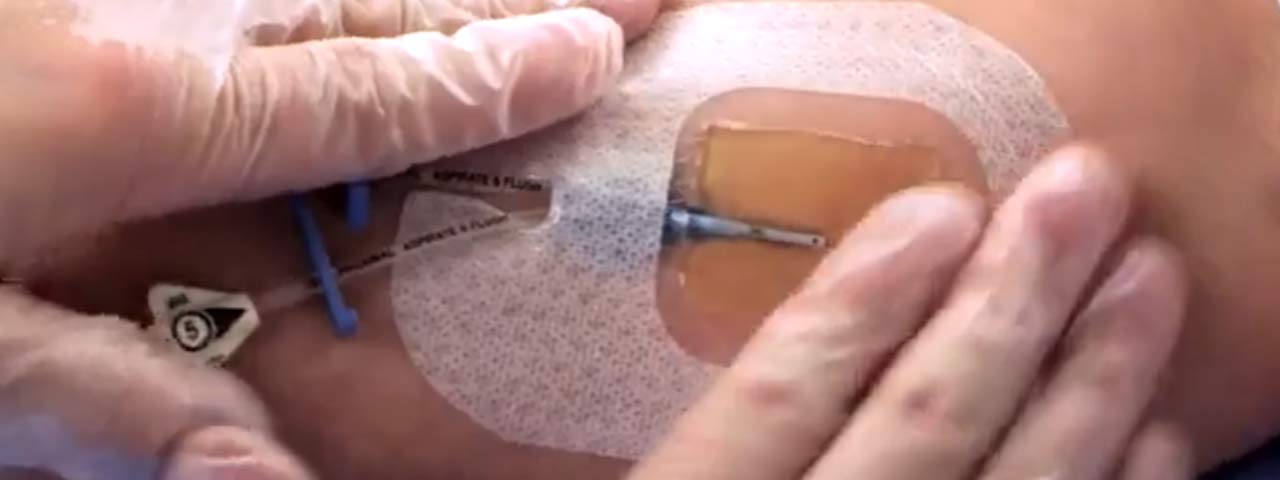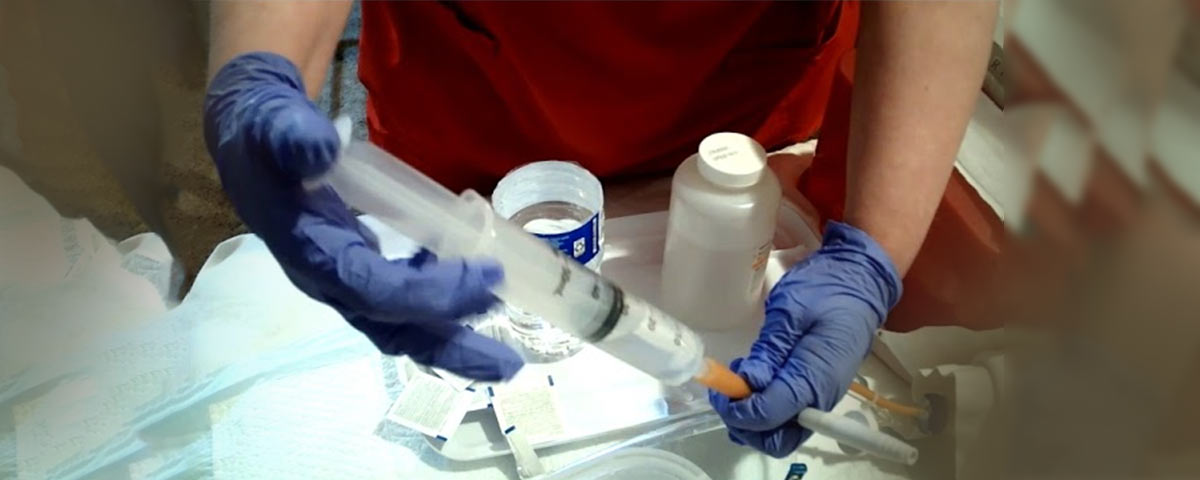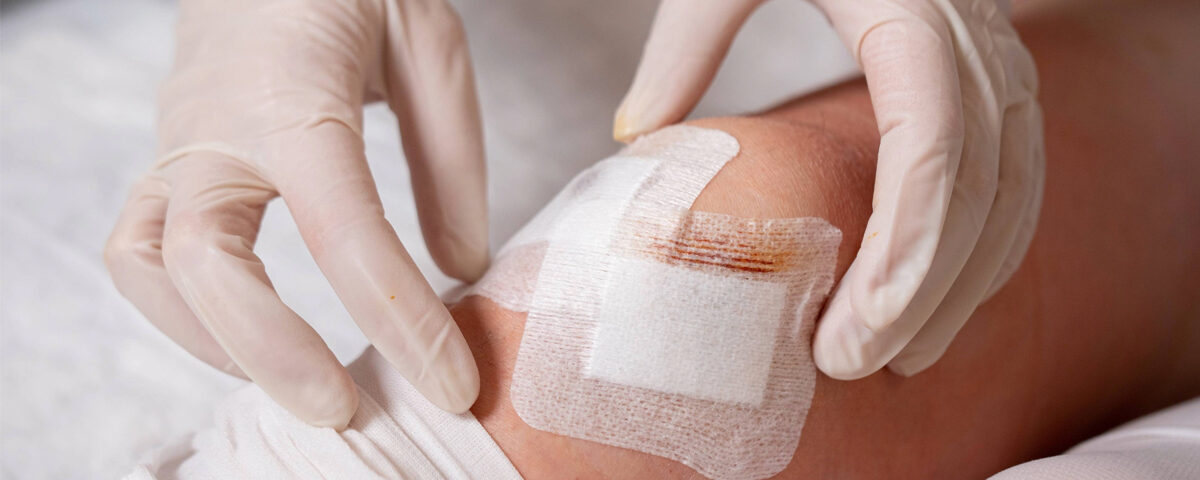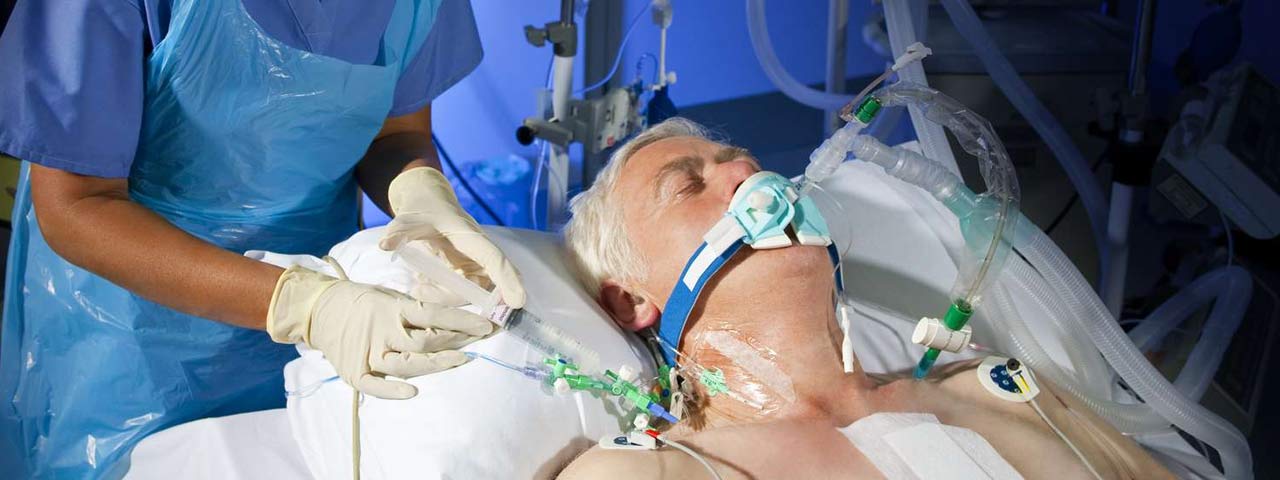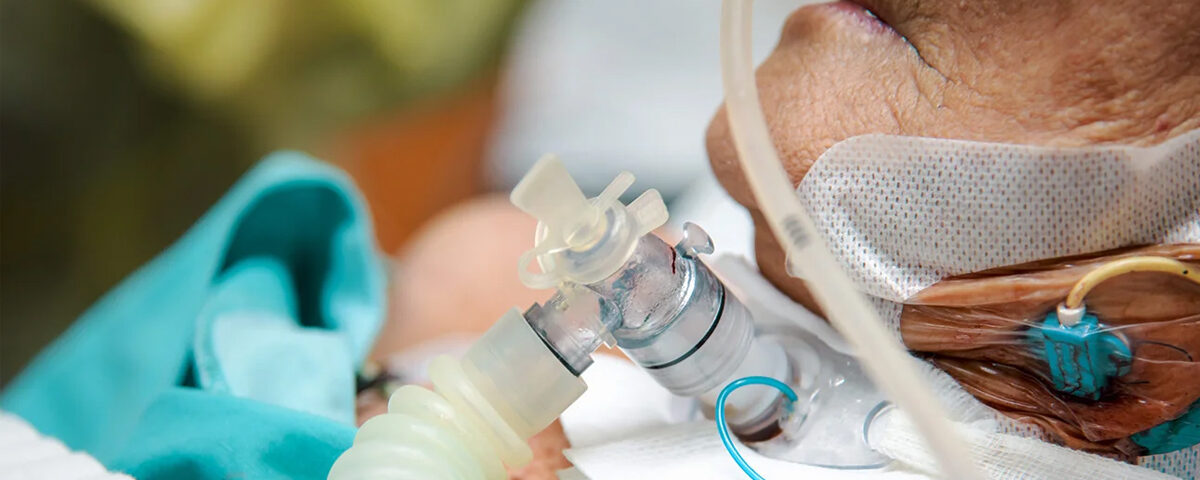

Tracheostomy Tube Change is a procedure to replace a tracheostomy tube, which is essential for maintaining a patent airway, ensuring proper ventilation, and preventing complications such as infection or obstruction. Tracheostomy tube changes can be routine or emergent, depending on the patient’s condition and the indication.
Indications for Tracheostomy Tube Change:
-
Routine Maintenance:
- To prevent tube blockage or wear and tear.
- Typically performed every 7–14 days, or as per the healthcare provider’s protocol.
-
Tube Blockage:
- Obstruction by secretions or debris.
-
Infection or Discomfort:
- When the site or tube is infected or causing irritation.
-
Change in Patient’s Needs:
- For downsizing, cuffed to uncuffed tube transition, or switching to a speaking valve-compatible tube.
Equipment Required:
- Sterile tracheostomy tube of the appropriate size (same size and one size smaller as a backup).
- Sterile gloves.
- Sterile water-based lubricant.
- Suction catheter and suction machine.
- Sterile saline.
- Sterile dressing and ties/holder.
- Emergency equipment (e.g., bag-valve mask, oxygen).
- Protective gown and face shield for caregiver.
Steps for Tracheostomy Tube Change:
-
Preparation:
- Explain the Procedure:
- Inform the patient about the process and address concerns.
- Position the Patient:
- Place the patient in a semi-Fowler’s position or with the neck slightly extended.
- Ensure Airway Support:
- Have oxygen and resuscitation equipment readily available.
- Suction the Airway:
- Pre-oxygenate and suction the tracheostomy tube to clear secretions.
-
Hand Hygiene and Asepsis:
- Wash hands and don sterile gloves.
- Use a sterile field to organize equipment.
-
Removal of Old Tube:
- Deflate the Cuff (if applicable):
- Use a syringe to remove air from the cuff before removal.
- Stabilize the Airway:
- Hold the tracheostomy tube in place while removing ties or holders.
- Remove the Tube Gently:
- Withdraw the tube slowly and smoothly.
-
Insertion of New Tube:
- Prepare the New Tube:
- Check the cuff (inflate and deflate if applicable) and apply sterile lubricant to the distal end.
- Insert the Tube:
- Hold the tracheostomy tube with the obturator in place and gently insert it into the stoma.
- Remove the obturator immediately after insertion to allow airflow.
- Secure the Tube:
- Attach the ties or holder securely but not too tight, allowing a finger to pass between the tie and the skin.
-
Post-Insertion Care:
- Confirm Placement:
- Ensure airflow through the tube and check for bilateral chest rise.
- Attach to a ventilator or oxygen source if required.
- Clean the Stoma Site:
- Use sterile saline to clean around the stoma and apply a sterile dressing.
- Monitor the Patient:
- Observe for respiratory distress or other complications.
Special Considerations:
- For Emergency Changes:
- Keep an obturator and a smaller size tube ready at all times.
- In case of difficulty reinserting, use a tracheostomy dilator or seek immediate assistance.
- For Pediatric Patients:
- Use extra caution due to smaller airways and increased risk of trauma.
- Cuffed vs. Uncuffed Tubes:
- Ensure cuffed tubes are properly inflated to prevent air leakage, but not overinflated to avoid tracheal injury.
Potential Complications and Management:
- Dislodgment or Difficult Re-insertion:
- Use a smaller tube or suction catheter as a guide.
- Call for immediate help if airway obstruction occurs.
- Bleeding at the Stoma Site:
- Apply gentle pressure with sterile gauze.
- Monitor for ongoing bleeding.
- Respiratory Distress:
- Check tube placement and clear any obstructions.
- Provide supplemental oxygen or manual ventilation if needed.
- Infection:
- Maintain aseptic technique during tube changes and routine care.
Aftercare:
-
Assess Respiratory Function:
- Monitor oxygen saturation and respiratory effort.
- Listen for airway sounds indicating obstruction.
-
Educate Caregivers and Patients:
- Teach about tube maintenance, suctioning, and signs of complications.
-
Document the Procedure:
- Record the size and type of tube used, the patient’s response, and any complications.
Would you like guidance on training caregivers for tracheostomy care, managing specific complications, or selecting the appropriate tube for different clinical scenarios?