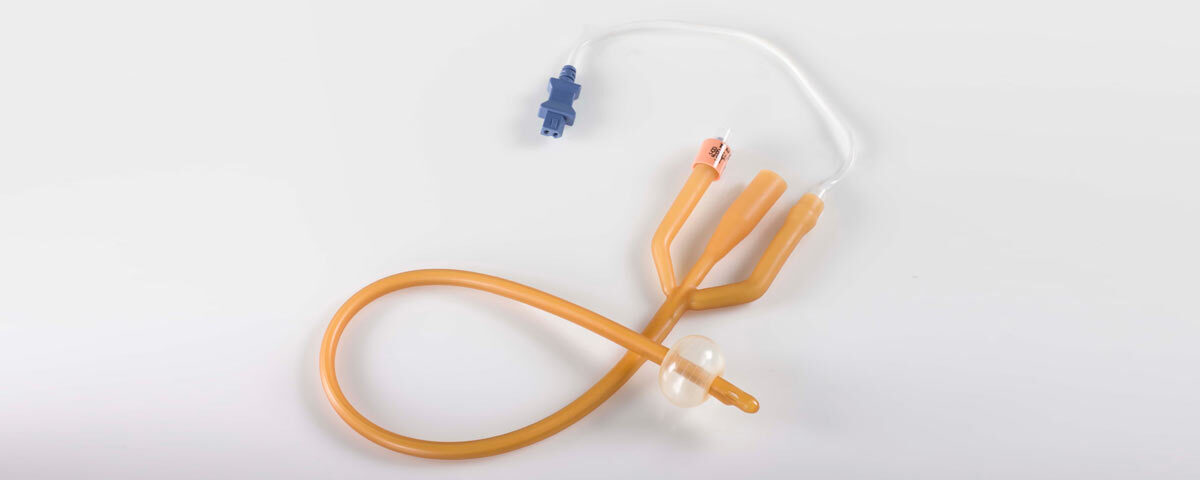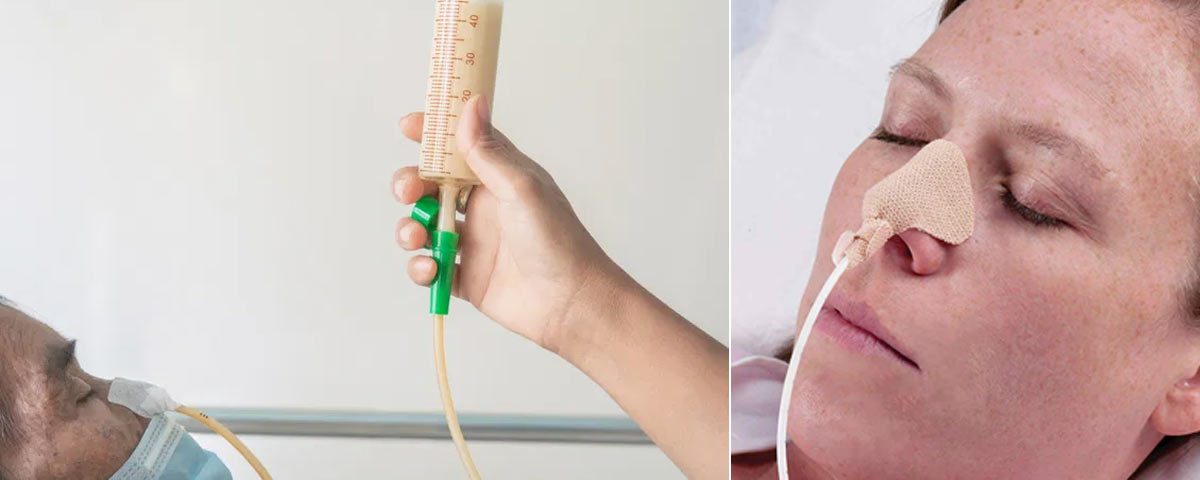

Ryle’s Tube Care involves the management of a nasogastric tube (commonly called Ryle’s tube) that is used for feeding, medication administration, or gastric decompression in patients who cannot eat or swallow normally. Proper care is essential to prevent complications such as infections, blockages, or dislodgment.
What is a Ryle’s Tube?
- Definition: A soft, flexible tube inserted through the nose into the stomach.
- Uses:
- Feeding for patients unable to swallow.
- Administration of medications.
- Removal of gastric contents in cases of obstruction, poisoning, or diagnostic purposes.
Key Aspects of Ryle’s Tube Care:
-
Insertion Site Care:
- Check for Irritation:
- Inspect the nostrils daily for redness, swelling, or sores.
- Clean the Area:
- Use warm water or saline solution to clean the nostrils and surrounding skin.
- Secure the Tube:
- Use hypoallergenic tape or a tube holder to prevent dislodgment.
-
Tube Patency:
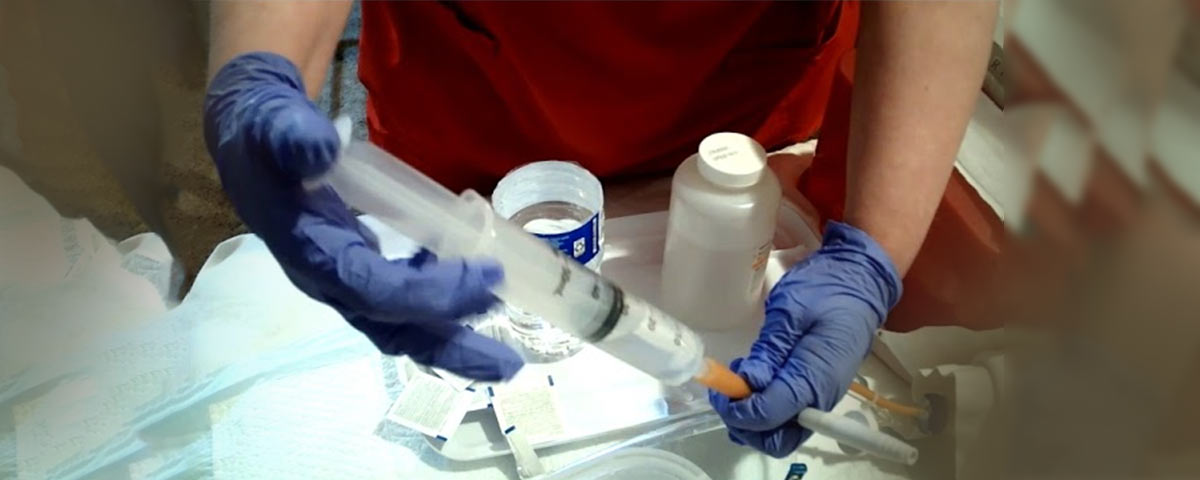
- Flushing the Tube:
- Flush with 10-20 mL of sterile water before and after feedings or medication administration to prevent blockages.
- Checking for Clogs:
- Use gentle aspiration or a small syringe of warm water to dislodge blockages, if present.
-
Feeding and Medication Administration:
- Feeding:
- Administer feeds at room temperature to prevent gastric discomfort.
- Use a slow, consistent flow rate, especially for bolus feeds.
- Medications:
- Crush pills finely and dilute in water (if allowed) before administration.
- Administer medications one at a time, flushing the tube between each.
-
Positioning:
- During Feeding:
- Keep the patient in a semi-upright position (30-45 degrees) to prevent aspiration.
- After Feeding:
- Maintain the upright position for at least 30-60 minutes post-feeding.
-
Monitoring:
- Placement Verification:
- Check the tube placement before feeding by aspirating gastric contents and confirming with pH testing (pH <5 indicates correct placement in the stomach).
- Signs of Complications:
- Look for signs of aspiration (coughing, breathlessness), discomfort, or bloating.
Potential Complications and Management:
-
Dislodgment:
- Ensure the tube is securely taped.
- If dislodged, seek professional help to reinsert.
-
Blockages:
- Prevent by regular flushing.
- Use enzyme-based products or warm water to dissolve clogs, if necessary.
-
Infections:
- Prevent with proper hygiene around the insertion site.
- Treat with antiseptic solutions or consult a healthcare provider for persistent issues.
-
Aspiration:
- Minimize by ensuring proper patient positioning during and after feeding.
-
Nasal or Gastric Irritation:
- Rotate the tube periodically to relieve pressure on nasal tissues.
- Inform the doctor if irritation persists or worsens.
General Care Guidelines:
-
Hygiene:
- Wash hands thoroughly before and after handling the tube or feeding equipment.
- Use sterilized feeding sets and replace them as per guidelines (usually every 24-48 hours).
-
Equipment Maintenance:
- Clean feeding syringes and containers with warm soapy water after each use.
- Dry completely before reuse.
-
Patient Comfort:
- Monitor for discomfort and adjust the tape or tube position as needed.
-
Documentation:
- Record feeding times, volume, and any observed complications.
When to Seek Medical Help:
- Tube dislodgment or inability to replace it.
- Persistent blockages despite attempts to clear them.
- Signs of infection (fever, redness, or swelling around the insertion site).
- Difficulty in feeding or symptoms of aspiration (e.g., choking, coughing, or breathing difficulty).
IV CANNULATION
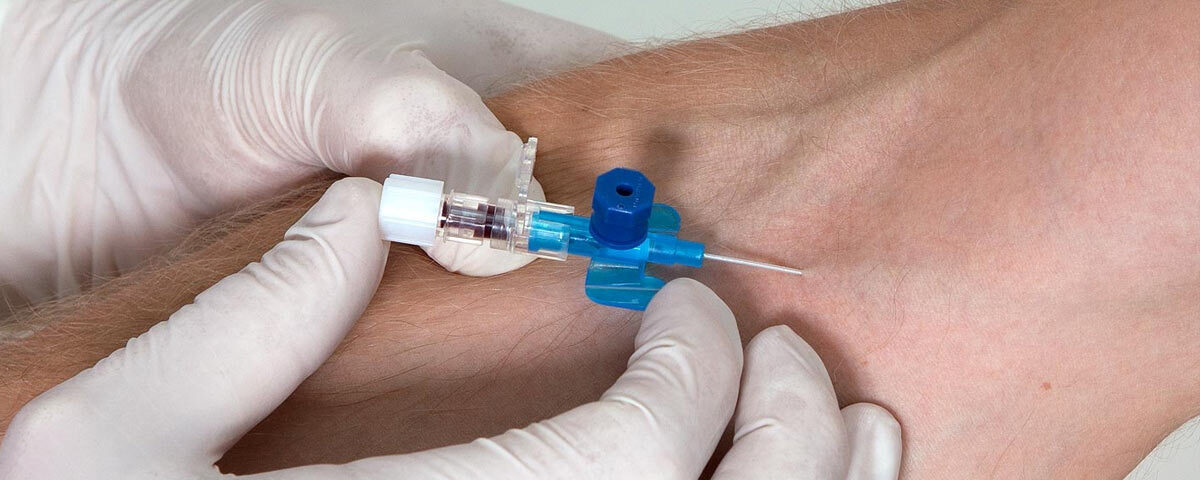
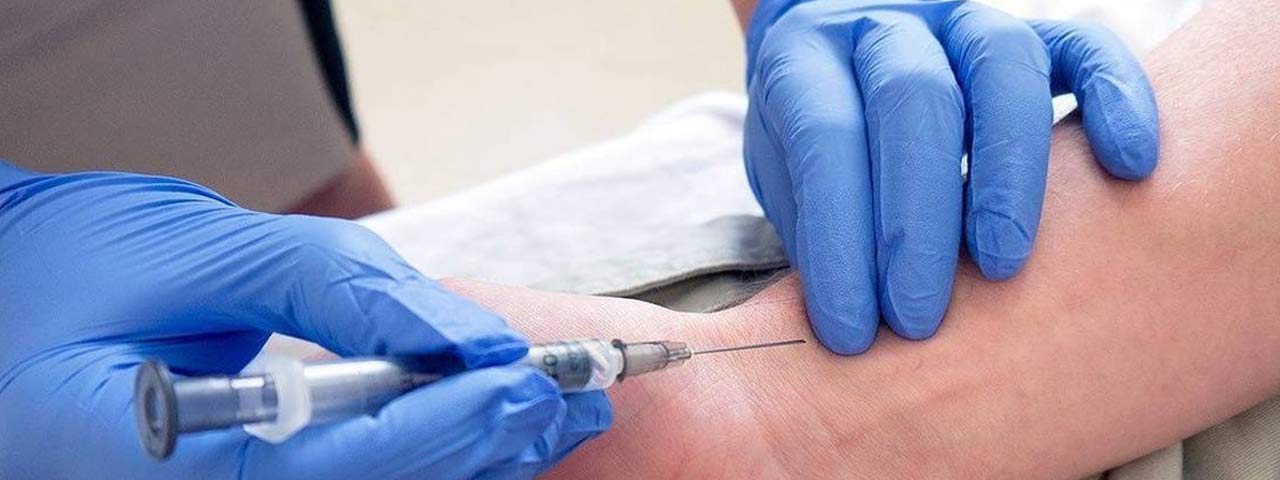
IV Cannulation is a medical procedure where a cannula (a thin tube) is inserted into a vein, typically in the hand, forearm, or elbow, to provide direct access to the bloodstream. This technique is commonly used for administering fluids, medications, blood products, or collecting blood samples.
Steps in IV Cannulation:
-
Preparation:
- Gather Supplies:
- IV cannula of appropriate size (e.g., 18G, 20G, or 22G based on patient and purpose).
- Antiseptic solution or alcohol swabs.
- Sterile gloves.
- Adhesive dressing or securing tape.
- Saline flush (if required).
- Sharps disposal container.
- Identify the Vein:
- Select a vein that is visible, palpable, and suitable for cannulation (e.g., cephalic, basilic, or median cubital vein).
- Avoid areas of infection, scarring, or previous cannulation.
-
Patient Preparation:
- Explain the Procedure:
- Inform the patient about the purpose and steps of IV cannulation.
- Address any anxiety and gain consent.
- Positioning:
- Position the patient comfortably with the arm supported.
- Apply a Tourniquet:
- Place it 5-10 cm above the selected site to engorge the vein.
-
Aseptic Technique:
- Wash hands thoroughly and wear sterile gloves.
- Clean the selected site with an antiseptic solution, moving outward in a circular motion.
-
Inserting the Cannula:
- Stabilize the Vein:
- Use the non-dominant hand to stretch the skin and secure the vein.
- Insert the Needle:
- Insert the cannula at a 15-30° angle with the bevel facing upward.
- Advance slowly until a flashback of blood is seen in the chamber.
- Advance the Cannula:
- Lower the angle and slide the plastic cannula into the vein while withdrawing the needle.
- Secure the Cannula:
- Remove the tourniquet and fix the cannula with adhesive dressing or tape.
-
Post-Insertion Care:
- Attach an IV line or saline lock if needed.
- Flush the cannula with saline to confirm patency.
- Observe for any signs of infiltration or discomfort.
- Dispose of sharps safely in a sharps container.
Choosing the Right Cannula Size:
| Gauge (G) | Color | Flow Rate (mL/min) | Purpose |
| 14G | Orange | 240 | Emergency fluids, blood transfusion in trauma cases. |
| 16G | Grey | 180 | Rapid fluid resuscitation or blood products. |
| 18G | Green | 90 | Routine IV fluids or medications. |
| 20G | Pink | 60 | Routine use in adults, compatible with most medications. |
| 22G | Blue | 36 | For elderly patients, children, or smaller veins. |
| 24G | Yellow | 20 | Neonates, infants, or delicate veins in elderly patients. |
Monitoring and Troubleshooting:
Signs of Successful Cannulation:
- Free flow of IV fluids or saline through the cannula.
- No swelling, redness, or pain at the insertion site.
Common Complications:
- Infiltration:
- Fluid leaks into surrounding tissues.
- Signs: Swelling, coldness, or pallor around the site.
- Management: Remove the cannula, elevate the limb, and apply a cold compress.
- Phlebitis:
- Inflammation of the vein.
- Signs: Redness, warmth, or pain along the vein.
- Management: Discontinue the cannula, apply a warm compress, and monitor.
- Hematoma:
- Blood leaks into tissues due to vein puncture.
- Management: Remove the cannula, apply pressure, and use cold compresses.
- Blocked Cannula:
- Caused by clotting or improper flushing.
- Management: Flush with saline or replace the cannula.
- Infection:
- Signs: Pus, redness, fever.
- Management: Remove the cannula, start antibiotics if needed, and avoid reusing the site.
Aftercare:
- Check the site regularly for signs of complications.
- Replace the cannula every 72-96 hours or sooner if complications arise.
- Maintain proper hygiene and aseptic techniques during dressing changes or fluid administration.