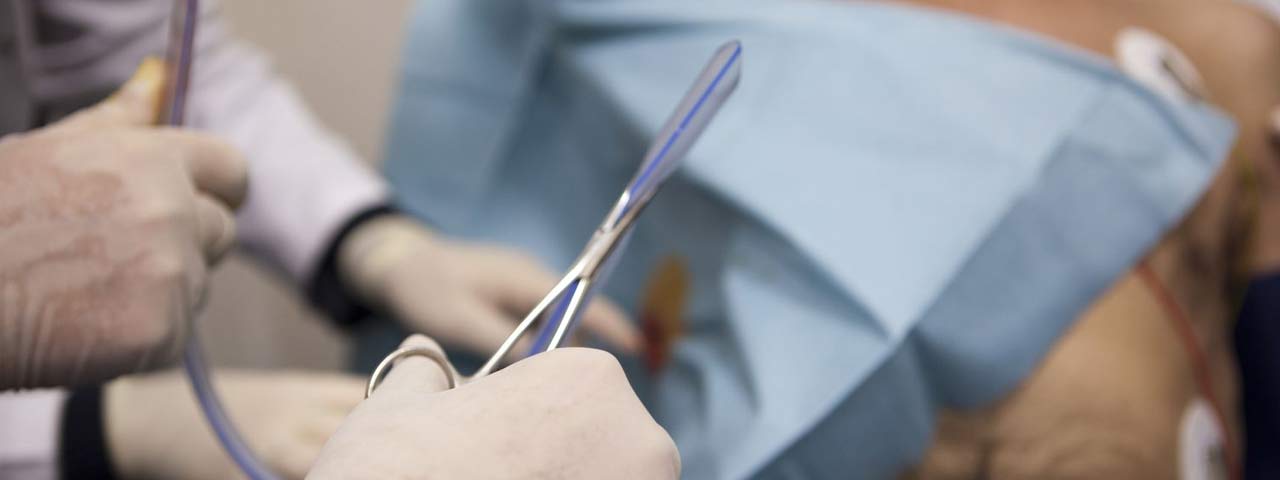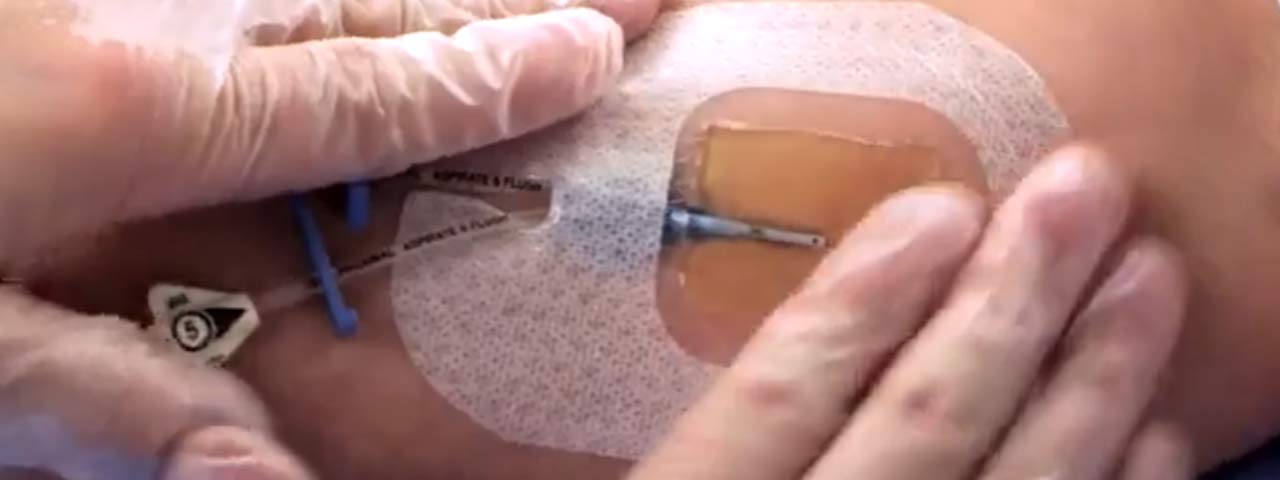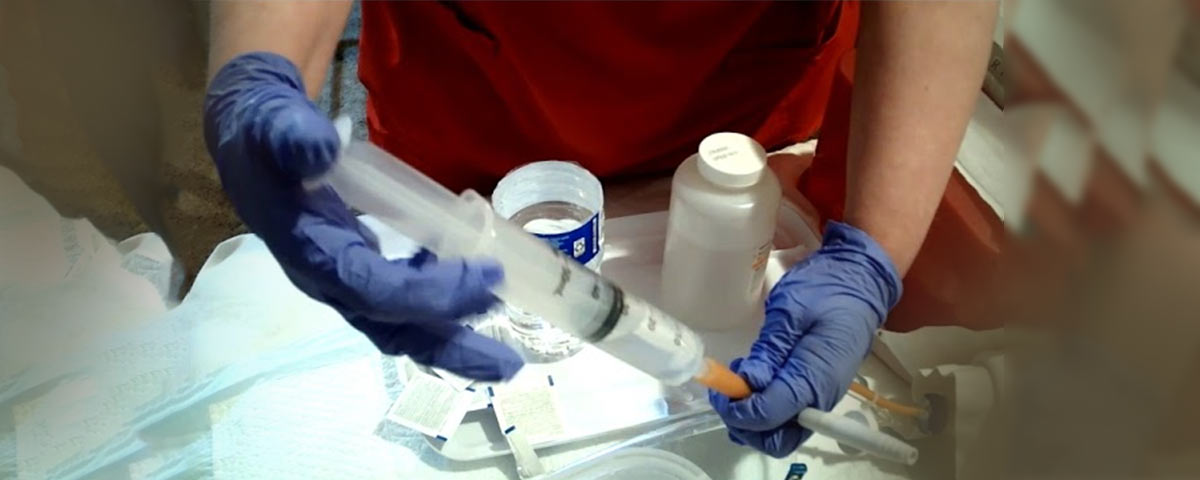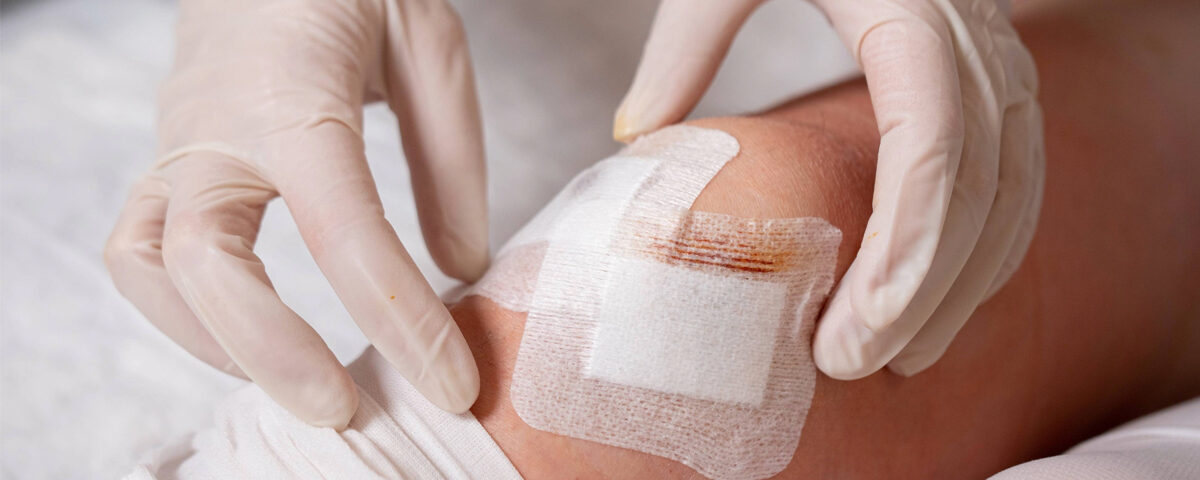

A sharp-cut stitch refers to suturing techniques used to close precise, clean-cut wounds, typically caused by surgical incisions or injuries with sharp objects. The primary goal of suturing is to approximate wound edges, promote healing, and minimize scarring.
Objectives of Suturing:
- Facilitate healing by primary intention.
- Prevent infection by closing the wound.
- Restore functionality and integrity of tissues.
- Achieve optimal cosmetic outcomes.
Equipment Required:
- Sterile suturing kit:
- Needle holder.
- Forceps (toothed and non-toothed).
- Suture material (absorbable or non-absorbable).
- Antiseptic solution (e.g., povidone-iodine or chlorhexidine).
- Sterile gloves and drapes.
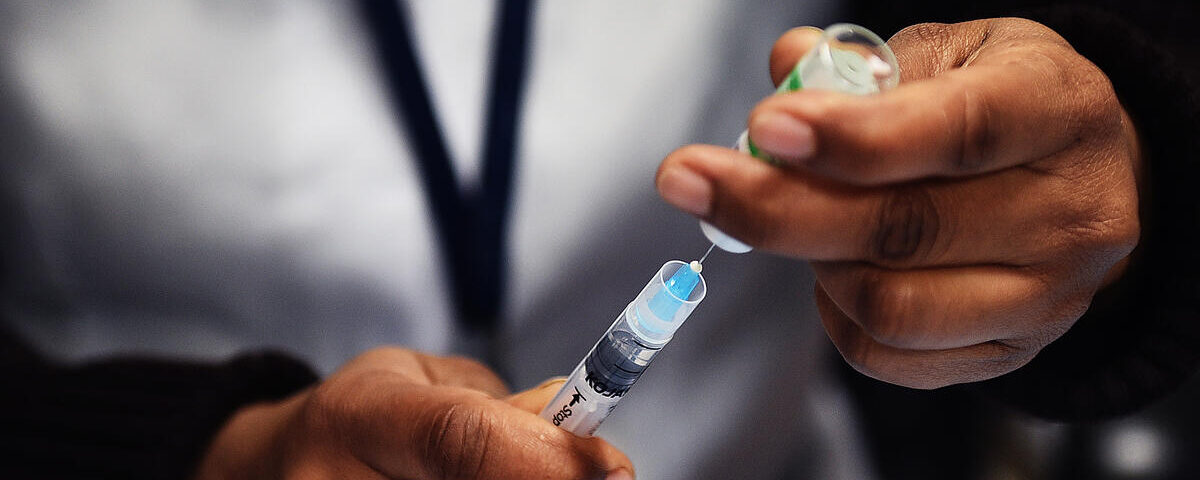
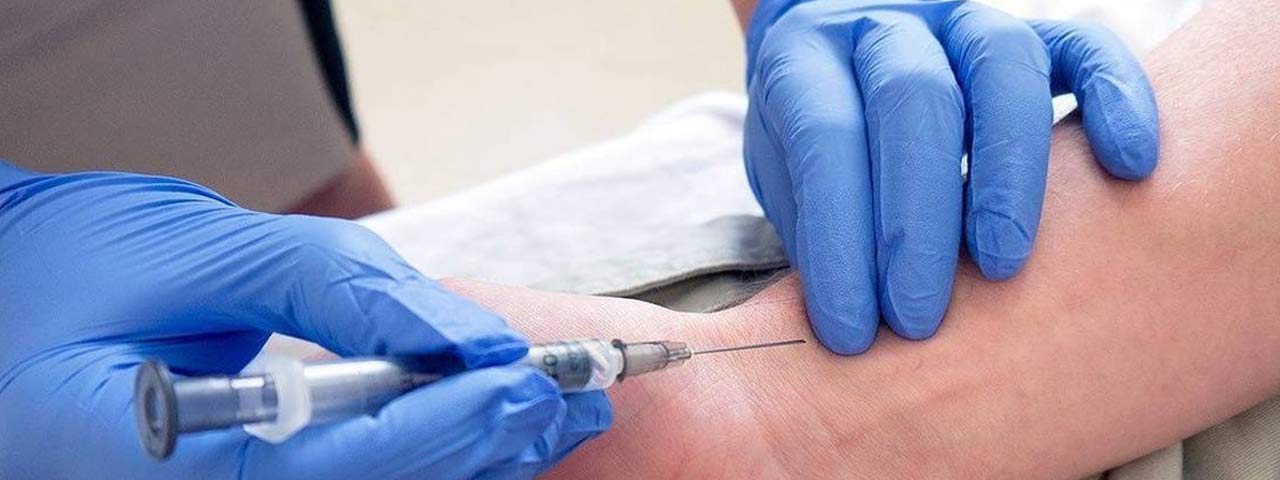
- Local anaesthetic (e.g., lidocaine) with syringe and needle.
- Sterile gauze and dressing materials.
- Biohazard waste bag for disposal.
Procedure Steps:
- Preparation:
- Explain the Procedure:
- Inform the patient about the process, including expected outcomes and possible discomfort.
- Obtain Consent:
- Ensure verbal or written consent for the procedure.
- Ensure Asepsis:
- Perform hand hygiene and wear sterile gloves.
- Position the Patient:
- Expose the wound area and drape it to create a sterile field.
- Explain the Procedure:
- Cleaning the Wound:
-
- Use an antiseptic solution to clean the wound and surrounding skin.
- Irrigate the wound with sterile saline to remove debris or contaminants.
- Anesthesia Administration:
- Inject local anesthetic around the wound edges to minimize pain.
- Wait for the anesthetic to take effect before proceeding.
- Suturing the Wound:
- Choose the appropriate technique based on the wound type, location, and tension:
- Simple Interrupted Sutures(most common):
- Insert the needle 0.5–1 cm from the wound edge.
- Pass the needle through both wound edges and tie a knot.
- Cut the suture, leaving a 1-2 cm tail.
- Continuous Running Sutures:
- Ideal for long, linear wounds with minimal tension.
- Start with a knot at one end and suture continuously along the wound, tying off at the other end.
- Vertical Mattress Sutures:
- Used for deeper wounds to ensure better wound edge approximation.
- Place a deep bite followed by a superficial bite across the wound.
- Horizontal Mattress Sutures:
- Effective for wounds under tension.
- Insert the needle across the wound edges in a horizontal plane.
- Post-Suturing Care:
- Clean the sutured area with sterile saline.
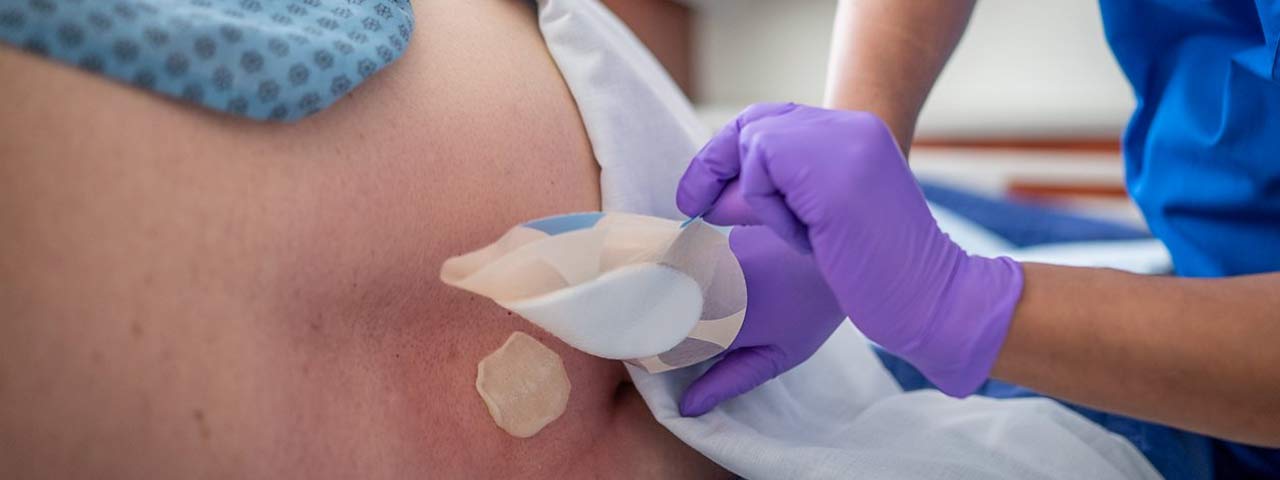
- Apply an antiseptic and cover the wound with a sterile dressing.
- Educate the patient on wound care and signs of infection.
Suture Removal Timelines:
- Face: 5–7 days.
- Scalp: 7–10 days.
- Chest, back, or abdomen: 10–14 days.
- Extremities or joints: 10–14 days.
Tips to Minimize Scarring:
- Use fine sutures for areas like the face (e.g., 5-0 or 6-0).
- Maintain even tension across the wound edges.
- Avoid excessive manipulation of the wound.
Signs of Infection to Watch For:
- Redness, swelling, or warmth around the wound.
- Pus or foul-smelling discharge.
- Fever or systemic symptoms.
Would you like detailed guidance on a specific suturing technique or wound care instructions?