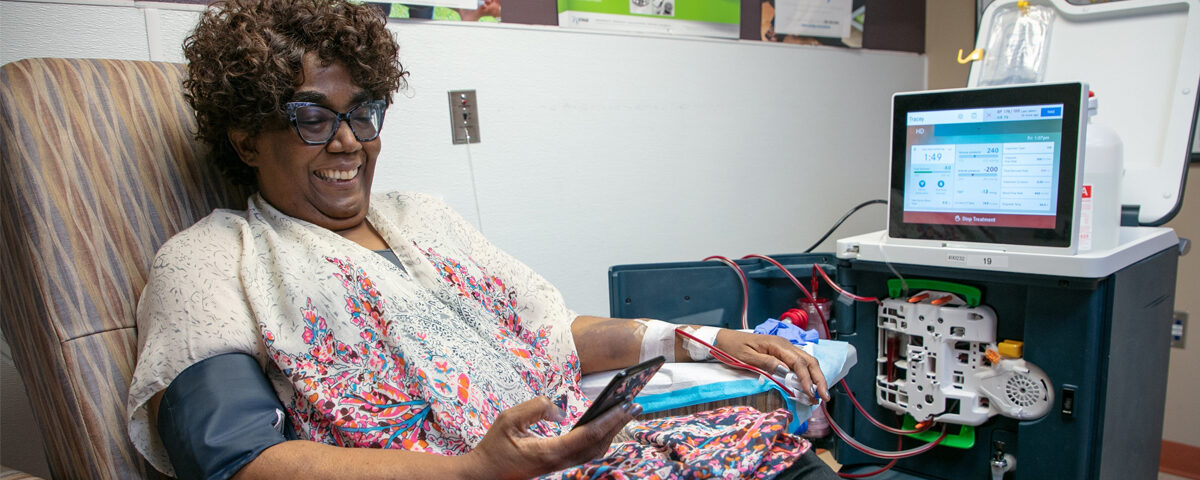

Palliative Care refers to specialized medical care focused on improving the quality of life for individuals dealing with serious illnesses. It aims to provide relief from symptoms, pain, and stress associated with the illness, regardless of the diagnosis or stage of the disease. The approach is holistic, addressing physical, emotional, social, and spiritual needs.
Key Aspects of Palliative Care:
- Symptom Management: Addresses symptoms such as pain, breathlessness, fatigue, nausea, and more.
- Emotional Support: Provides psychological support to patients and families coping with the challenges of a serious illness.
- Communication and Decision-Making: Facilitates discussions about treatment options, care goals, and advance directives.
- Family Support: Offers assistance to family members as they navigate caregiving responsibilities and emotional stress.
- Interdisciplinary Team: Typically involves a team of healthcare providers, including doctors, nurses, social workers, chaplains, and therapists.
Who Benefits from Palliative Care?
- Individuals with chronic illnesses like cancer, heart failure, chronic obstructive pulmonary disease (COPD), kidney disease, or neurological disorders.
- Patients experiencing significant symptoms or side effects from treatments.
- Families needing support in understanding and managing complex care needs.
Goals of Palliative Care:
- Enhance comfort and improve the overall quality of life.
- Support patients in achieving their personal care goals.
- Align treatment plans with patients’ values and preferences.
It is important to note that palliative care can be provided alongside curative treatments or as the main focus of care in advanced stages of illness.
Let me know if you want more information about palliative care or specific aspects like its implementation, tools, or training for providers!