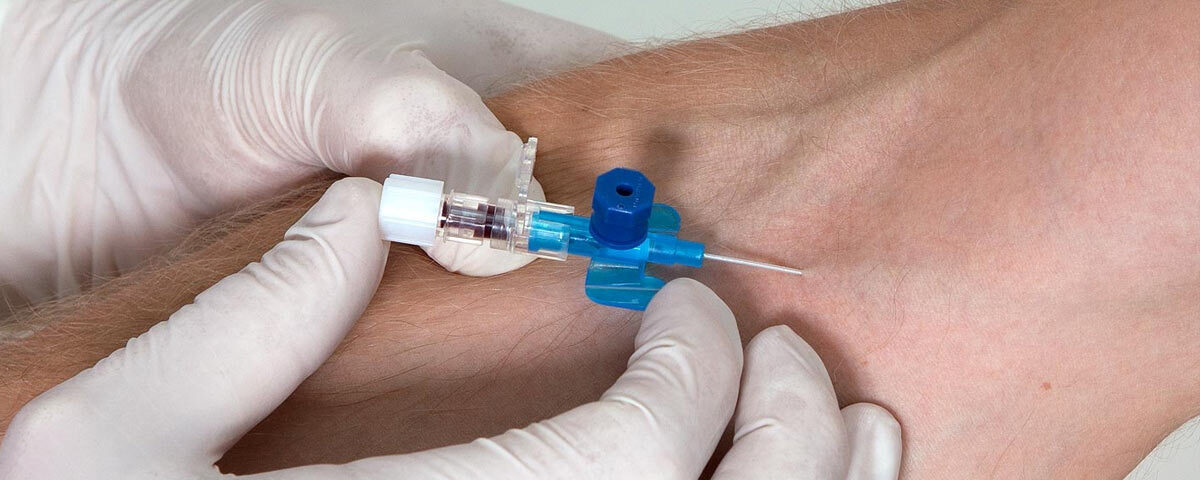

Bladder Wash (also known as Bladder Irrigation) is a medical procedure performed to flush out the urinary bladder. This is typically done to remove blood clots, and debris, or to deliver medication directly to the bladder.
Indications for Bladder Wash:
- Clot Retention:
- Post-surgical bleeding in the urinary tract (e.g., after TURP).
- Infection:
- For administering antiseptic or antibiotic solutions directly to the bladder.
- Blockage Prevention:
- To prevent catheter blockages in patients with chronic catheterization.
- Medication Delivery:
- For bladder conditions like interstitial cystitis or bladder cancer.
- Residual Urine or Sediment:
- To clear sediment or mucus buildup in the bladder.
Types of Bladder Irrigation:
- Continuous Bladder Irrigation (CBI):
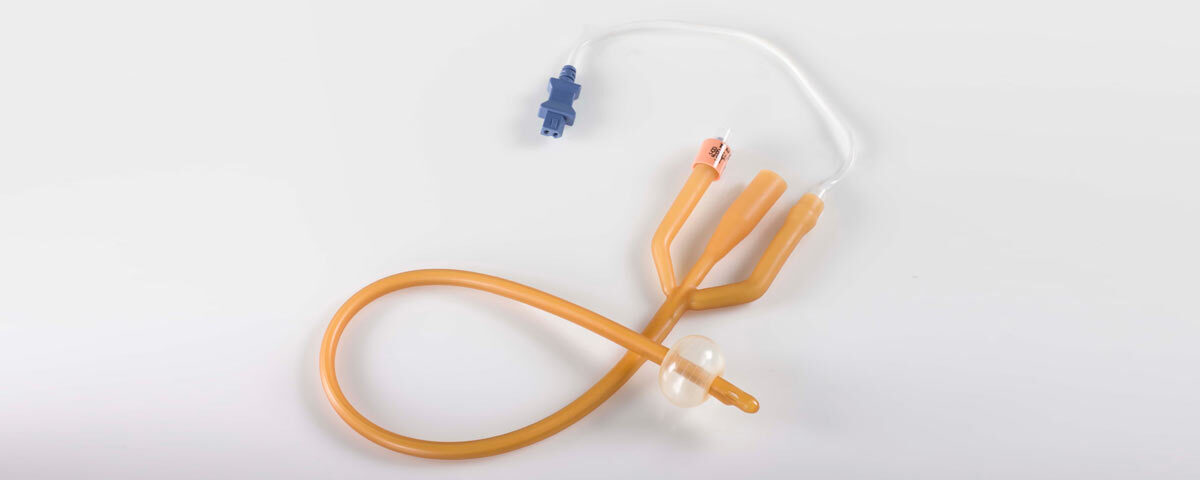
- Performed with a three-way Foley catheter using a continuous flow of sterile saline.
- Intermittent Bladder Wash:
- Manually flushing the bladder periodically.
Equipment Required:
- Sterile saline or prescribed irrigation solution.
- Foley catheter (3-way for CBI or 2-way for intermittent irrigation).
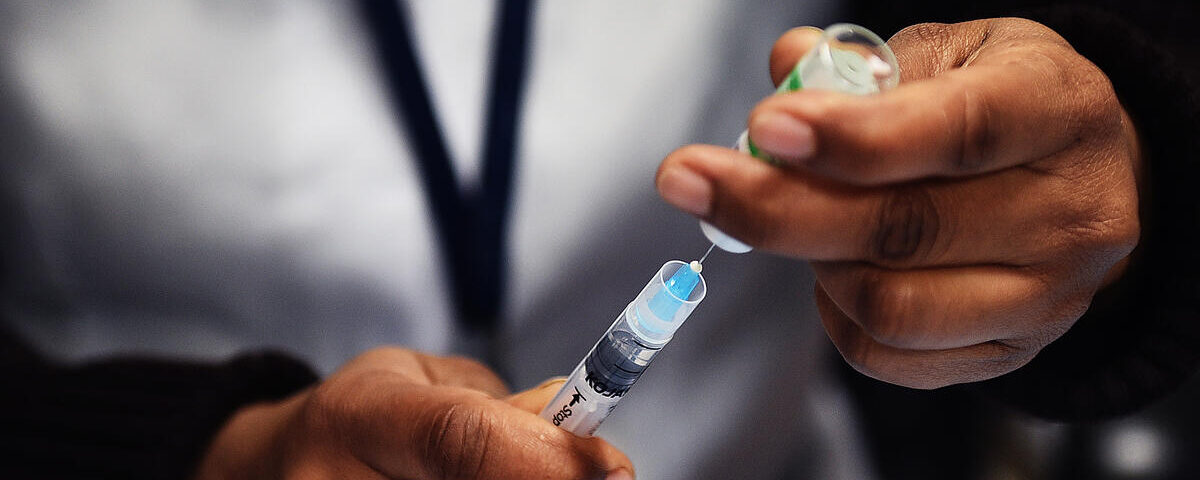
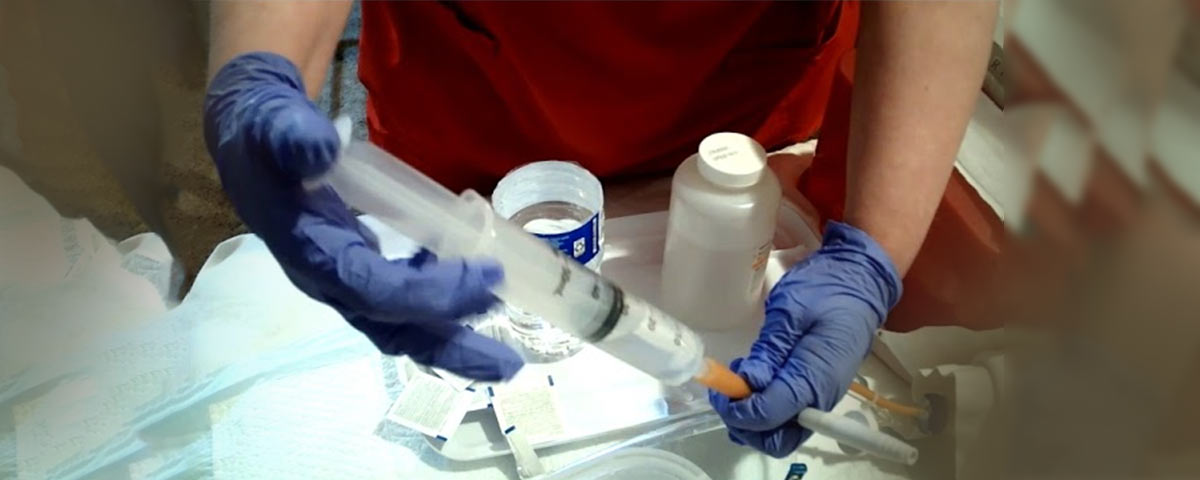
- Irrigation set (for CBI) or sterile syringe (50-60 mL for manual irrigation).
- Sterile gloves and gown.
- Antiseptic wipes.
- Kidney tray for waste collection.
Procedure Steps:
-
Preparation:
- Explain the Procedure:
- Inform the patient about the process and its purpose.
- Hand Hygiene:
- Wash hands thoroughly and use sterile gloves.
- Position the Patient:
- Supine position for easy access to the catheter.
-
Check Equipment:
- Inspect the irrigation fluid for clarity and ensure it is at body temperature.
- Confirm the patency of the catheter and tubing.
-
Irrigation Process:
- For Intermittent Irrigation:
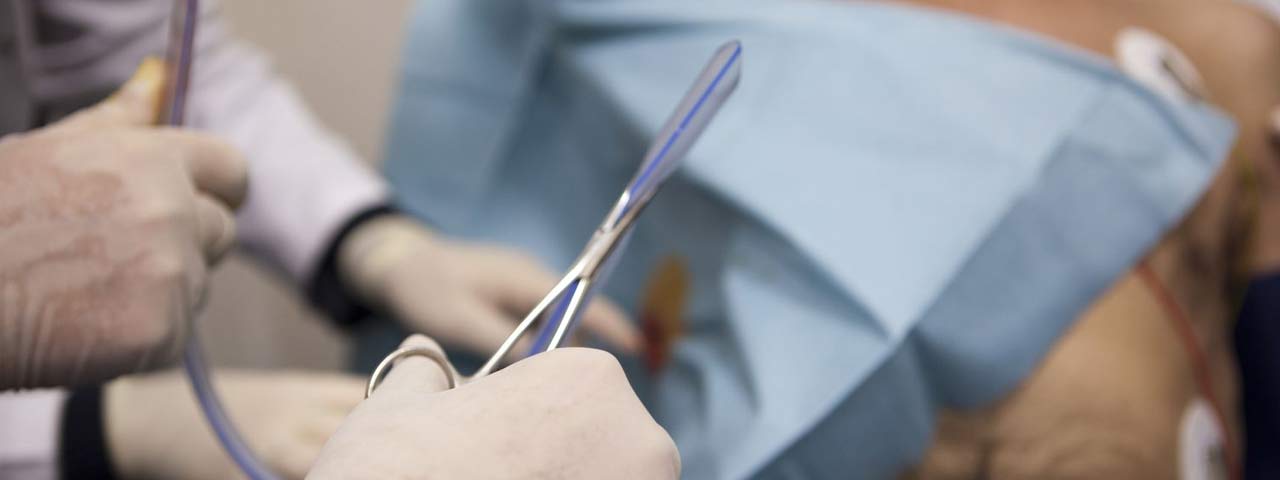
- Disconnect the catheter from the drainage bag, maintaining an aseptic technique.
- Attach the syringe filled with sterile saline to the catheter port.
- Slowly instil the solution (30-60 mL at a time).
- Aspirate the fluid gently to remove clots or debris.
- Repeat until the returned fluid is clear.
- For Continuous Irrigation (CBI):
- Connect the irrigation solution to the inflow port of a 3-way Foley catheter.
- Adjust the flow rate to maintain clear drainage in the catheter bag.
- Monitor the outflow for clots, debris, or discolouration.
- Post-Procedure Care:
- Reconnect the drainage bag to the catheter.
- Ensure the tubing is free of kinks or obstructions.
- Dispose of waste and used materials safely.
- Document the procedure, including the volume of solution used and the findings.
Special Considerations:
- Prevent Overdistension:
- Do not install large volumes of solution at once.
- Monitor for Discomfort:
- Stop irrigation if the patient experiences pain or bladder spasms.
- Check for Obstruction:
- If the catheter is blocked, attempt to clear it gently or replace it if necessary.
Signs to Monitor During and After Bladder Wash:
- Clear return fluid (indicates effective washing).
- Blood or clots in the return fluid (may require further irrigation or medical attention).
- Pain, burning, or spasms (could indicate trauma or infection).
Potential Complications:
- Bladder Overdistension:
- Prevent by monitoring inflow and outflow balance.
- Infection:
- Maintain an aseptic technique throughout the procedure.
- Catheter Dislodgment:
- Ensure the catheter is secured properly before irrigation.
- Trauma to the Bladder or Urethra:
- Use gentle pressure during instillation and aspiration.
Would you like additional guidance on continuous irrigation setup, specific solutions for bladder washing, or troubleshooting catheter blockages?