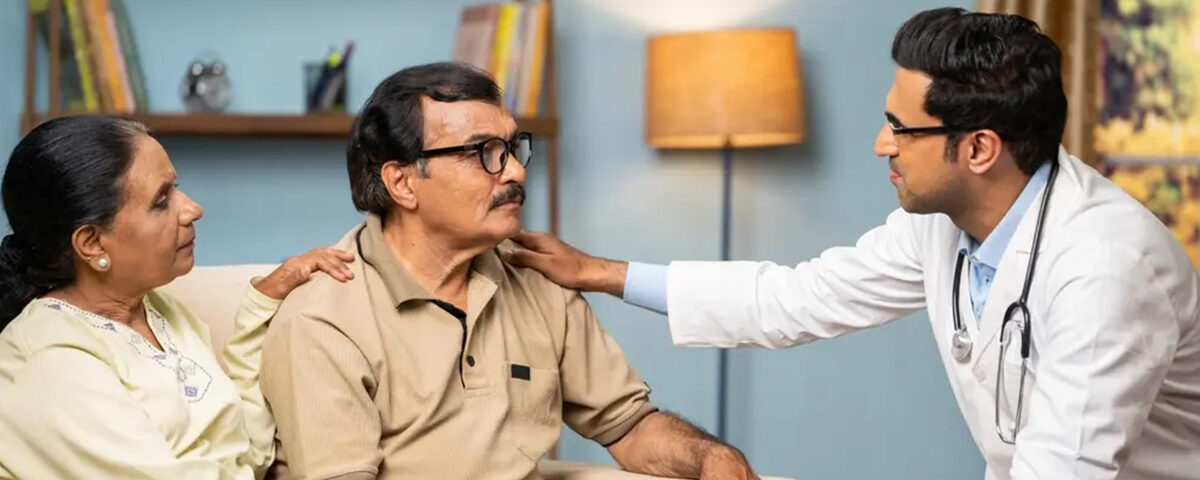

Elder Care refers to the support and services provided to older adults to ensure their well-being, safety, and quality of life. It encompasses a broad range of care options, addressing physical, emotional, social, and medical needs.
Types of Elder Care:
-
In-Home Care:
- Assistance with daily living activities (ADLs) like bathing, dressing, and feeding.
- Skilled nursing care for medical needs or chronic conditions.
- Companionship to reduce feelings of loneliness and isolation.
-
Residential Care Facilities:
- Assisted Living: Housing with support for ADLs and access to medical services.
- Nursing Homes: For individuals needing intensive medical care and supervision.
-
Community-Based Services:
- Senior centers offering recreational and educational activities.
- Adult daycare programs providing daytime care and social interaction.
-
Hospice and Palliative Care:
- Focus on comfort, pain management, and emotional support for individuals with terminal illnesses or advanced age.
-
Memory Care:
- Specialized care for individuals with dementia or Alzheimer’s disease, often within dedicated facilities.
Key Components of Elder Care:
-
Health Management:
- Regular medical check-ups and chronic disease management.
- Medication administration and monitoring.
-
Safety and Mobility:
- Fall prevention strategies, such as modifying the home environment.
- Mobility aids like walkers, wheelchairs, or stairlifts.
-
Nutritional Support:
- Ensuring a balanced diet suited to specific health needs.
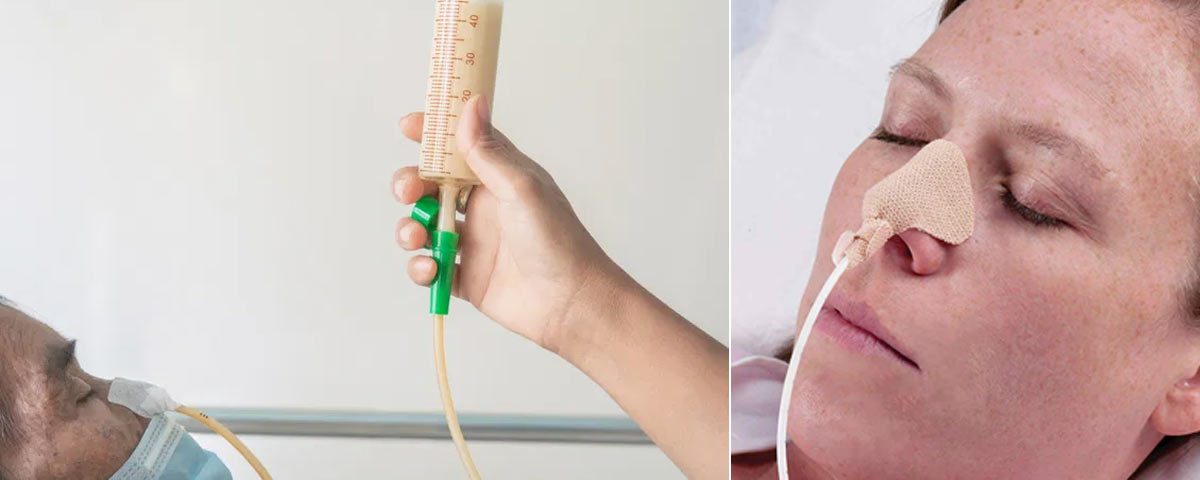
- Assistance with feeding .
-
Mental Health and Emotional Support:
- Addressing depression, anxiety, or cognitive decline.
- Providing opportunities for social engagement and activities.
-
Financial and Legal Assistance:
- Guidance on managing finances, insurance, or benefits like Medicare.
- Support with legal matters, such as wills and powers of attorney.
Challenges in Elder Care:
- Physical and Emotional Demands:
- Caregivers may experience burnout or stress due to the intensity of care.
- Financial Constraints:
- Long-term care can be expensive, with varying costs for different care options.
- Health Complications:
- Managing multiple chronic conditions or progressive illnesses.
- Social Isolation:
- Older adults may experience loneliness or a lack of community interaction.
Elder Care Resources:
- Respite Care: Temporary relief for family caregivers.
- Support Groups: Networks for caregivers and older adults.
- Community Programs: Meals-on-Wheels, transportation services, and senior activities.
- Telemedicine: Remote health monitoring and virtual consultations.
- Legal Aid: Assistance with elder law and estate planning.
Promoting Quality Elder Care:
- Encourage open communicationbetween elders, caregivers, and healthcare providers.
- Advocate for personalized care plansthat respect the elder’s preferences and values.
- Utilize technology, such as fall detection systems and health tracking apps, for enhanced safety.
Would you like specific information on elder care options, planning for aging, or resources available in your area?
GENERAL CHECKUP
General Checkup (also called a routine health examination or physical exam) is a preventive health measure where a healthcare provider assesses your overall well-being, screens for potential health issues, and discusses lifestyle choices and risk factors.
Why is a General Checkup Important?
- Detects health issues early before symptoms appear.
- Monitors chronic conditions or risk factors.
- Provides an opportunity to update vaccinations and discuss preventive measures.
- Encourages healthy lifestyle habits.
What to Expect During a General Checkup:
- Medical History Review:
- Discussion about personal and family medical history.
- Updates on medications, allergies, and past surgeries.
- Vital Signs Check:
- Blood pressure, heart rate, respiratory rate, and temperature.
- Physical Examination:
- Head and Neck: Examination of the eyes, ears, nose, throat, and thyroid gland.
- Heart and Lungs: Listening with a stethoscope for irregularities.
- Abdomen: Checking for tenderness or abnormalities.
- Skin: Observing for rashes, moles, or signs of illness.
- Musculoskeletal System: Assessing joints, spine, and muscles.
- Neurological Exam: Testing reflexes and muscle strength if needed.
- Laboratory Tests(Based on Age and Risk Factors):
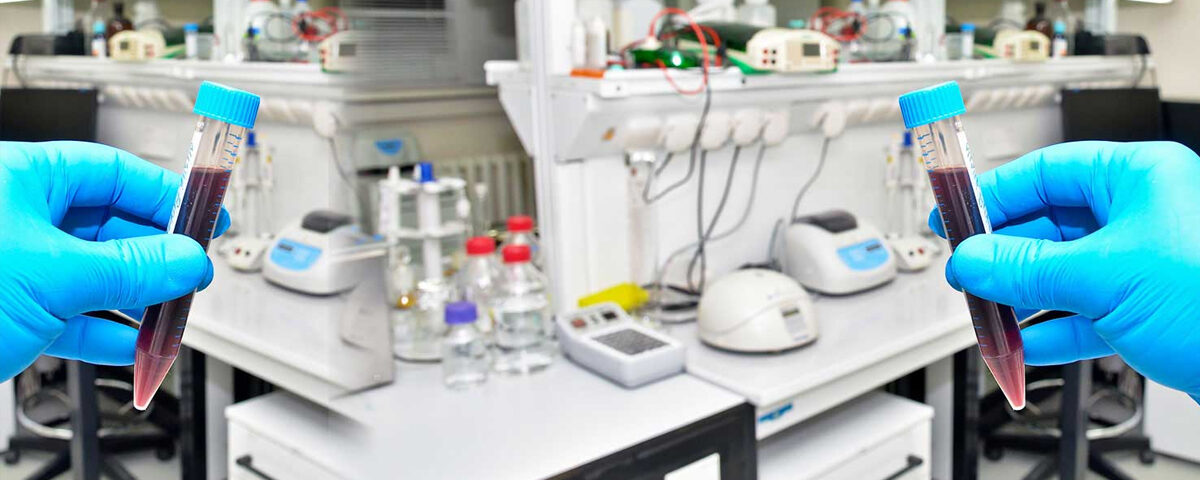
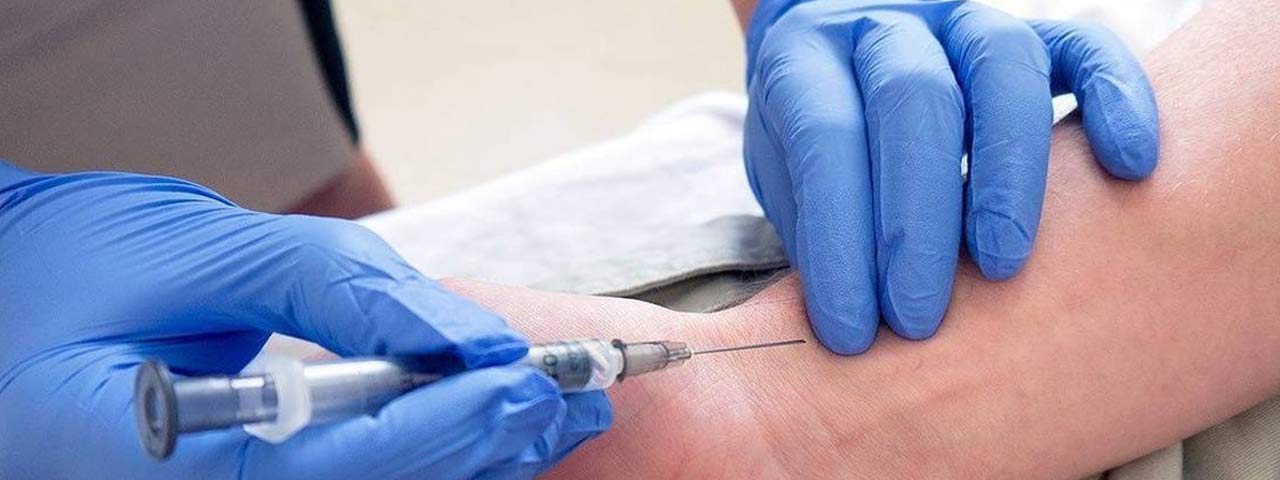
- Blood tests for cholesterol, glucose levels, and complete blood count (CBC).
- Urinalysis to detect kidney or urinary tract issues.
- Screening for conditions like anaemia, diabetes, or infections.
- Vaccination Updates:
- Ensuring immunizations are current (e.g., flu, tetanus, shingles, or COVID-19).
- Lifestyle Counseling:
- Diet and nutrition advice.
- Smoking cessation, alcohol use, and stress management discussions.
- Physical activity recommendations.
Frequency of General Checkups:
- Children: Regular visits as per pediatric schedules.
- Adults (18-40): Every 1-3 years, based on health and risk factors.
- Adults (40+): Annually or as recommended, especially for chronic conditions or family history of illnesses.
Benefits of General Checkups:
- Helps establish a baseline for your health.
- Encourages active participation in your well-being.
- Reduces healthcare costs by addressing potential issues early.
Would you like help preparing for a general checkup, understanding specific tests, or discussing what questions to ask your doctor?