
Postoperative Care refers to the care provided to patients after a surgical procedure to ensure a smooth recovery and prevent complications. This care is tailored to the type of surgery performed, the patient’s overall health, and any underlying medical conditions.
Goals of Postoperative Care:
- Promote Healing: Support the recovery of the surgical site and prevent infections.
- Monitor Recovery: Observe for any complications or adverse effects.
- Manage Pain: Ensure patient comfort through appropriate pain management strategies.
- Restore Function: Facilitate a return to normal activities as safely and quickly as possible.
Key Components of Postoperative Care:
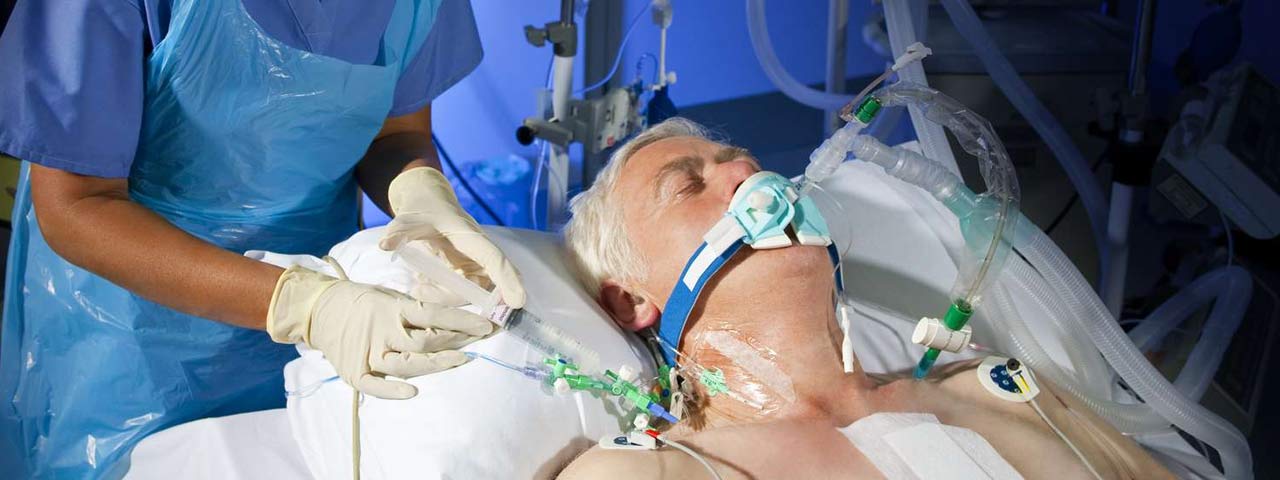
- Immediate Care in the Post-Anesthesia Care Unit (PACU):
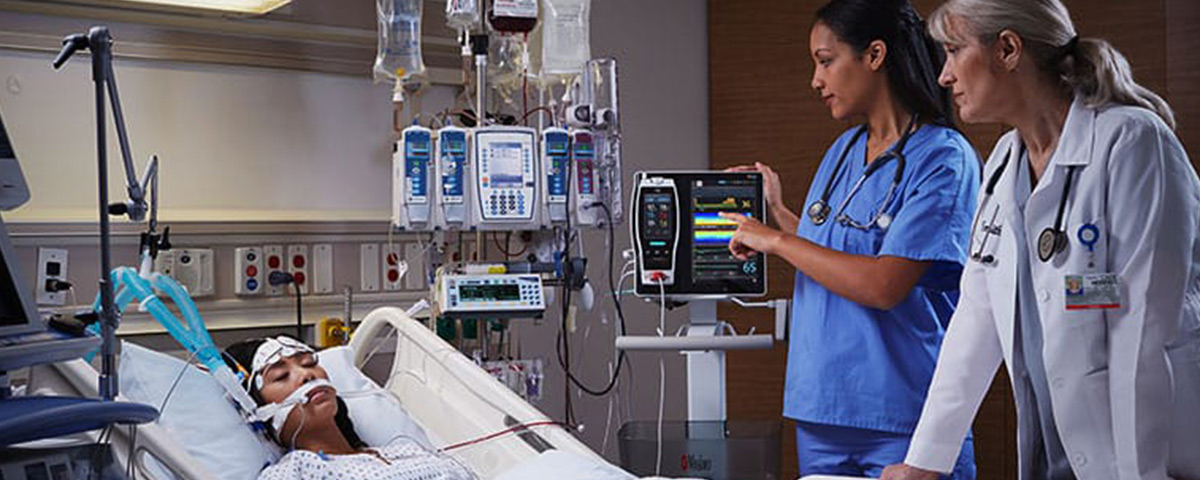
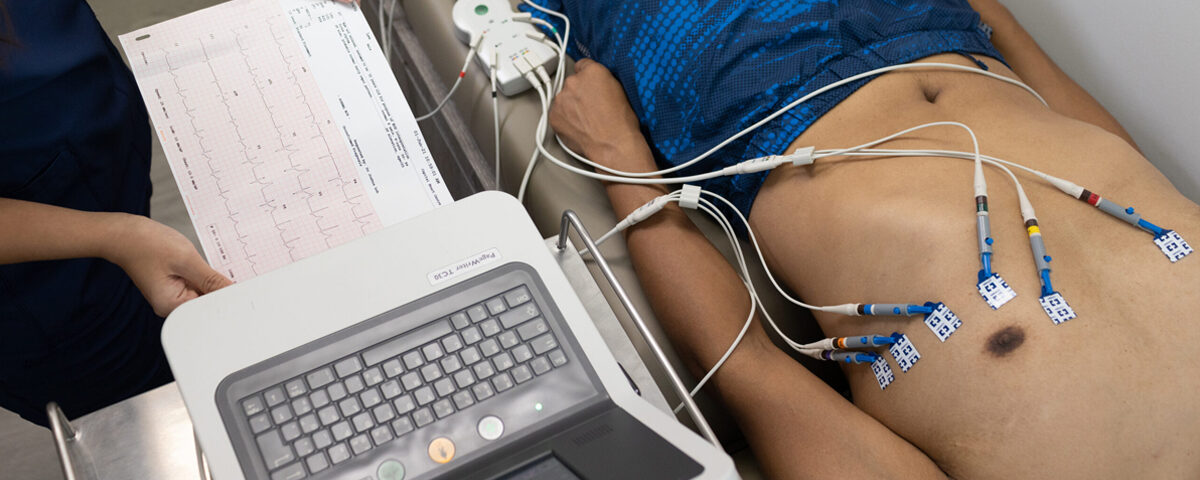
- Monitoring Vital Signs: Heart rate, blood pressure, oxygen levels, and temperature.
- Pain and Nausea Management: Addressing discomfort or nausea caused by anaesthesia or the surgery itself.
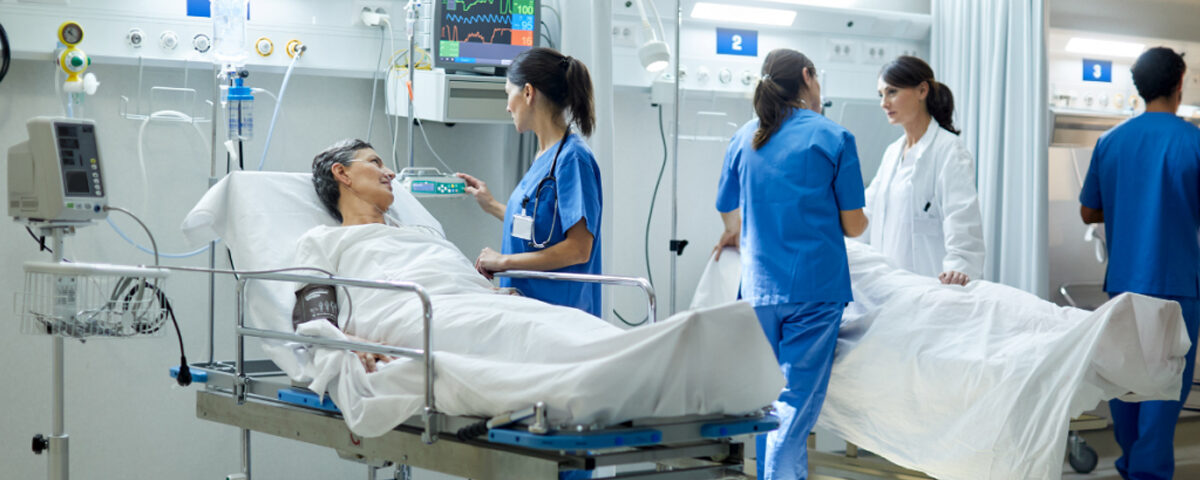
- Observation for Complications: Watching for signs of bleeding, infection, or adverse reactions.
- Pain Management:
- Use of prescribed pain medications.
- Non-pharmacological methods like positioning, ice packs, or relaxation techniques.
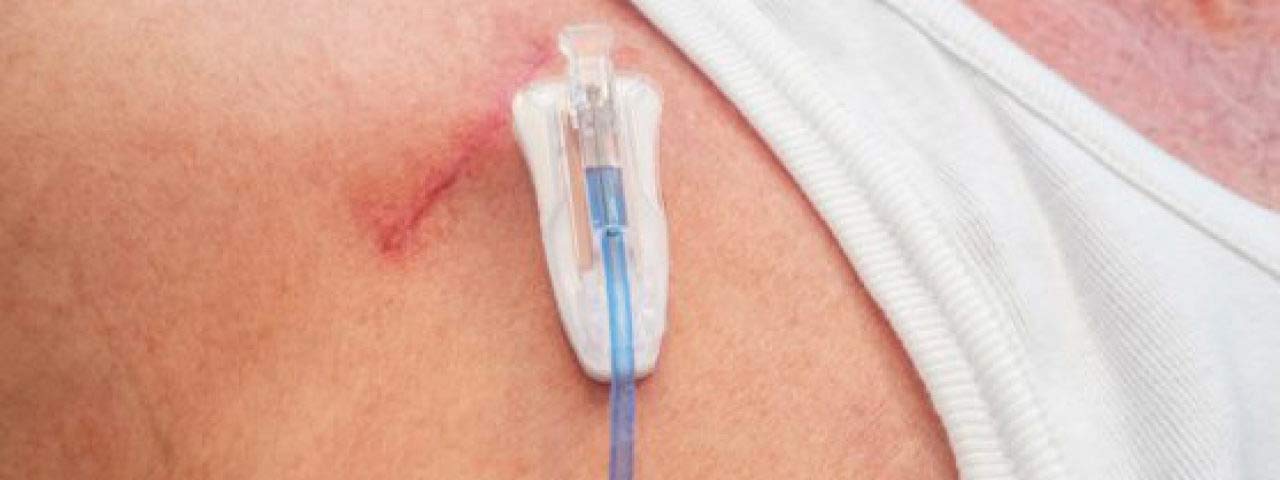
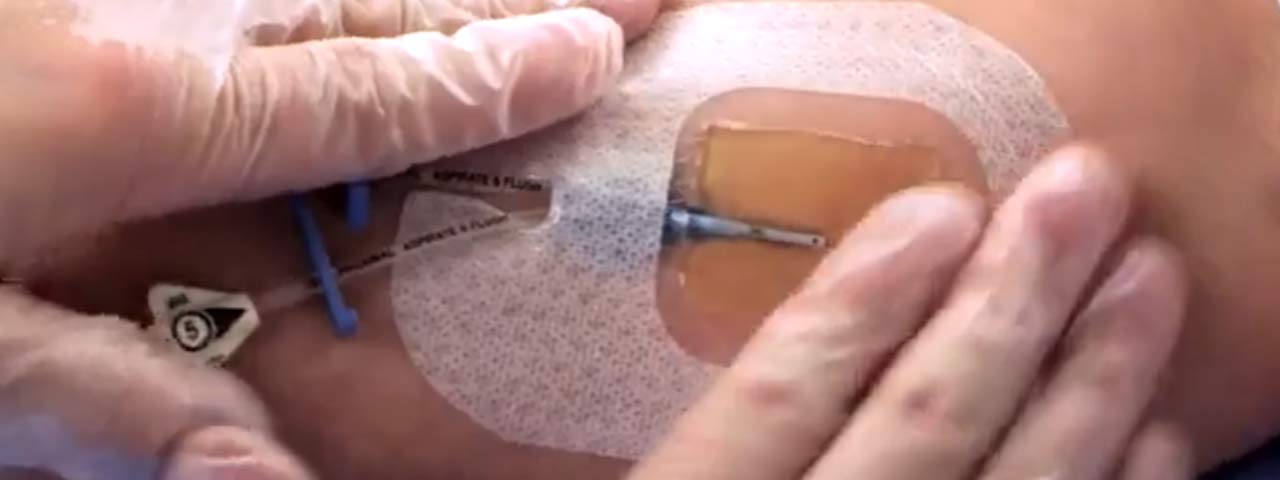
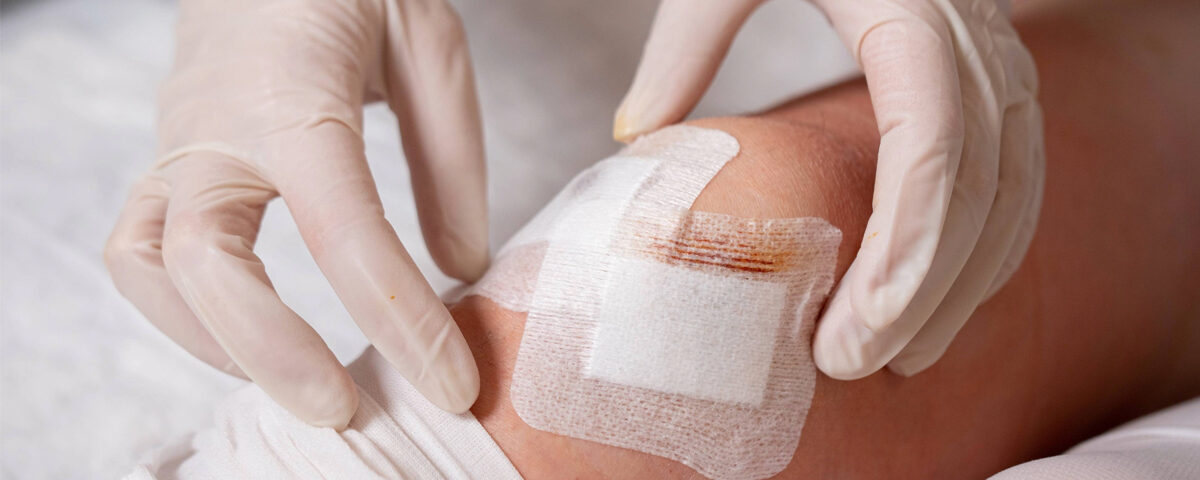
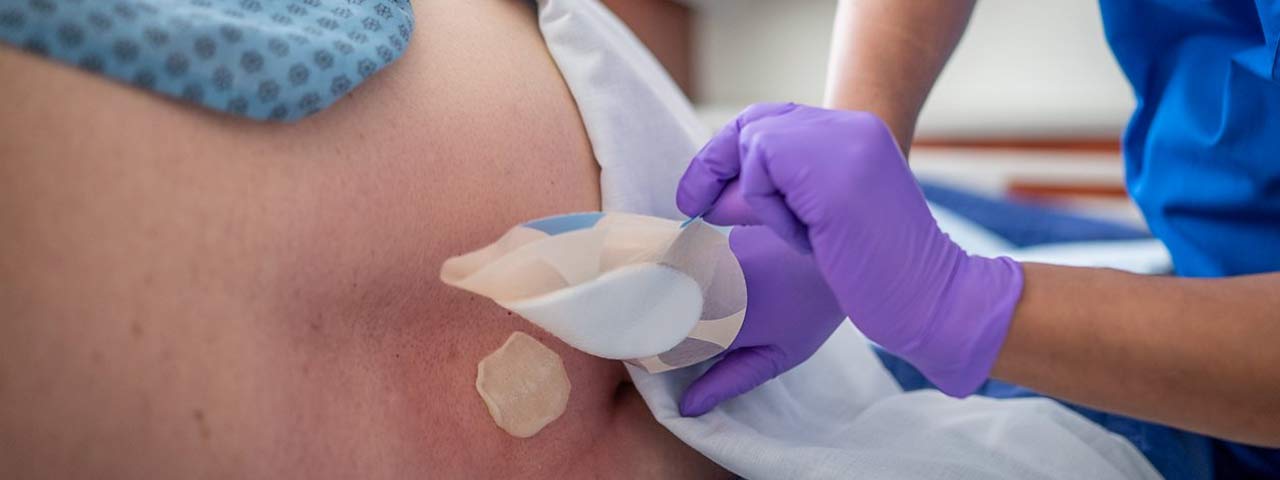
- Wound Care:
- Keeping the surgical site clean and dry.
- Monitoring for signs of infection (redness, swelling, discharge, fever).
- Activity and Mobility:
- Gradual reintroduction of physical activity to prevent complications such as blood clots (deep vein thrombosis).
- Physical therapy, if necessary, to regain strength and mobility.
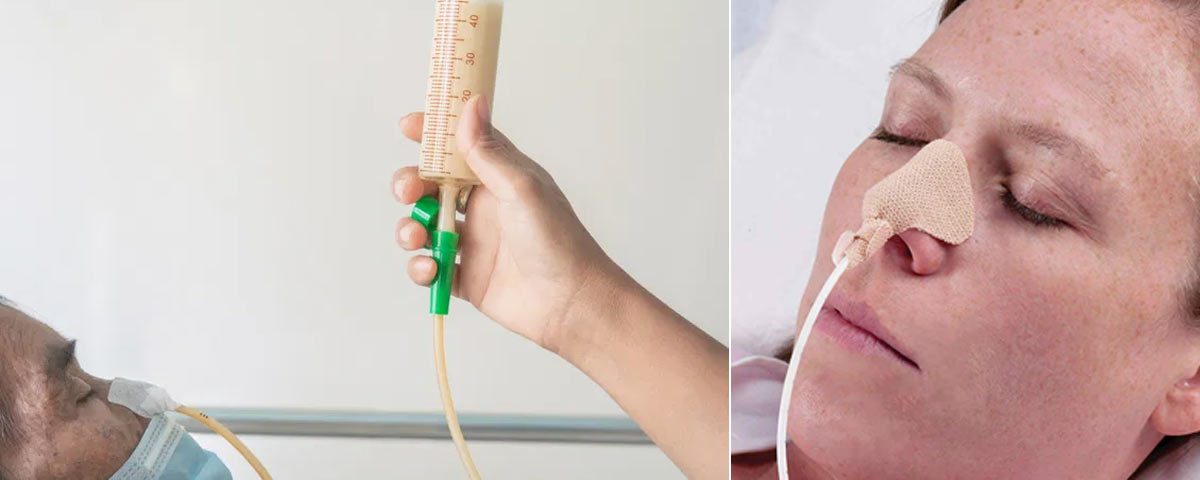
- Nutrition and Hydration:
- Encouraging appropriate food and fluid intake to support healing.
- Special diets may be required based on the type of surgery.
- Psychological Support:
- Addressing anxiety, depression, or emotional challenges related to surgery or recovery.
Common Postoperative Complications to Watch For:
- Infections: Surgical site infections or systemic infections (sepsis).
- Blood Clots: Deep vein thrombosis (DVT) or pulmonary embolism (PE).
- Respiratory Issues: Pneumonia or difficulty breathing.
- Pain or Delayed Healing: Persistent discomfort or complications with wound healing.
Discharge and Home Care:
Patients discharged home are given instructions on:
- Wound Care and Dressing Changes
- Medication Management
- Warning Signs of Complications
- Follow-Up Appointments
Postoperative care is a collaborative effort involving surgeons, nurses, physical therapists, and the patients themselves. Would you like information on any specific surgery or recovery protocols?