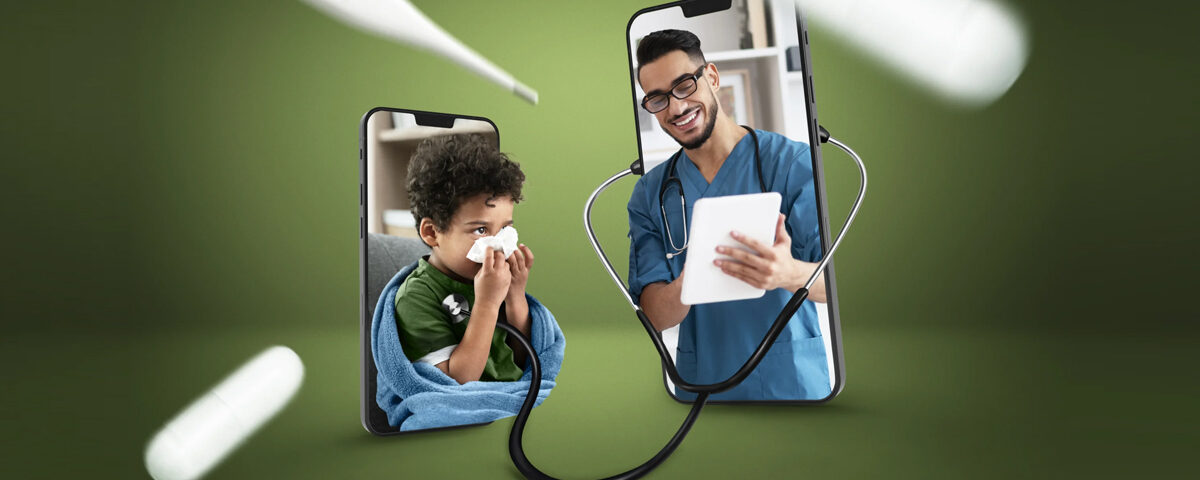
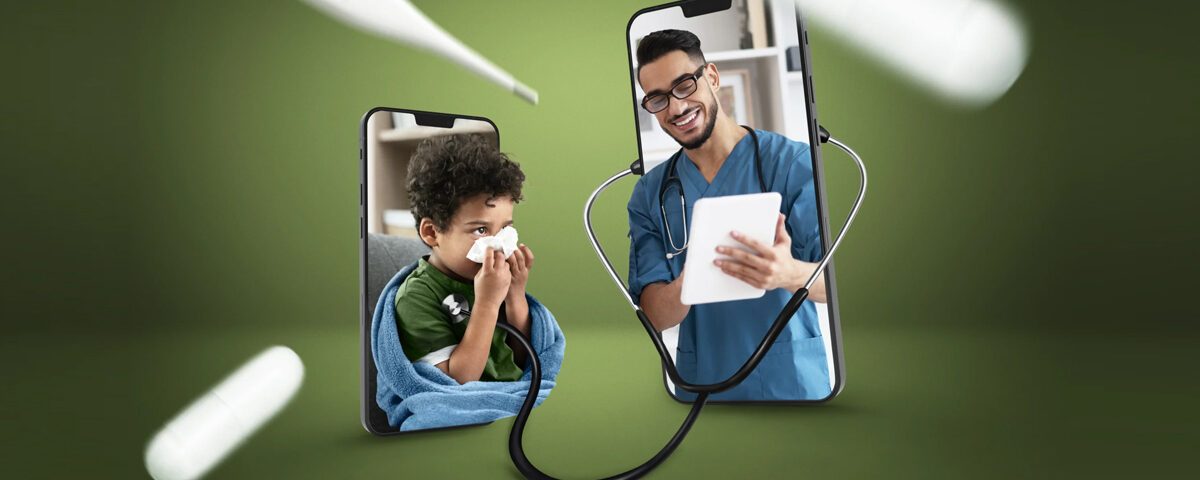
Telemedicine Support refers to the use of digital technologies to provide remote medical care, consultation, and monitoring. It allows patients and healthcare providers to connect through virtual platforms, ensuring access to care, especially in areas with limited medical facilities or during situations where in-person visits are not feasible.
Key Features of Telemedicine Support:
- Remote Consultations:
- Video or audio calls with healthcare providers for diagnoses, follow-ups, or general consultations.
- Asynchronous communication, such as secure messaging or email, for non-urgent inquiries.
- Remote Monitoring:
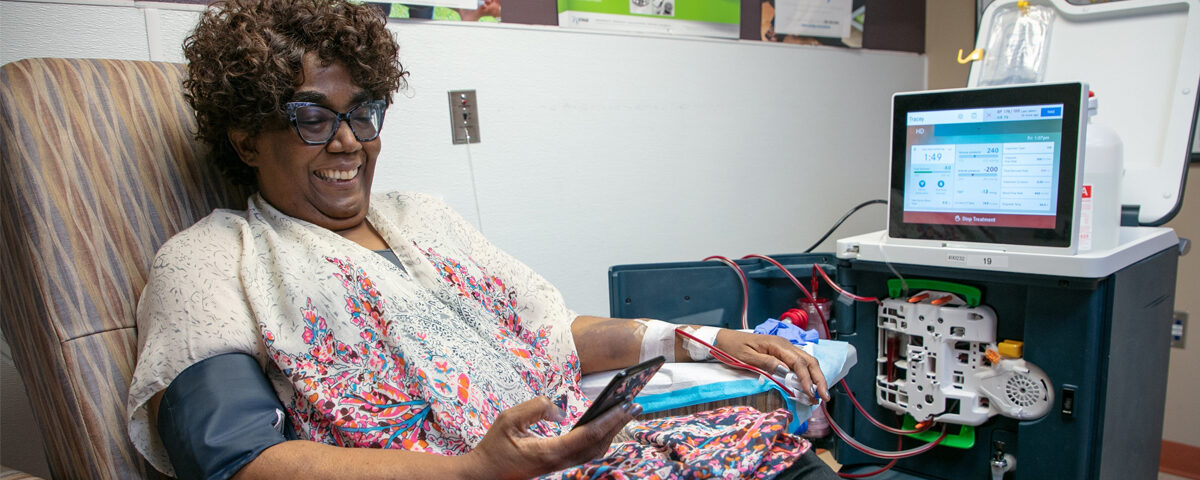
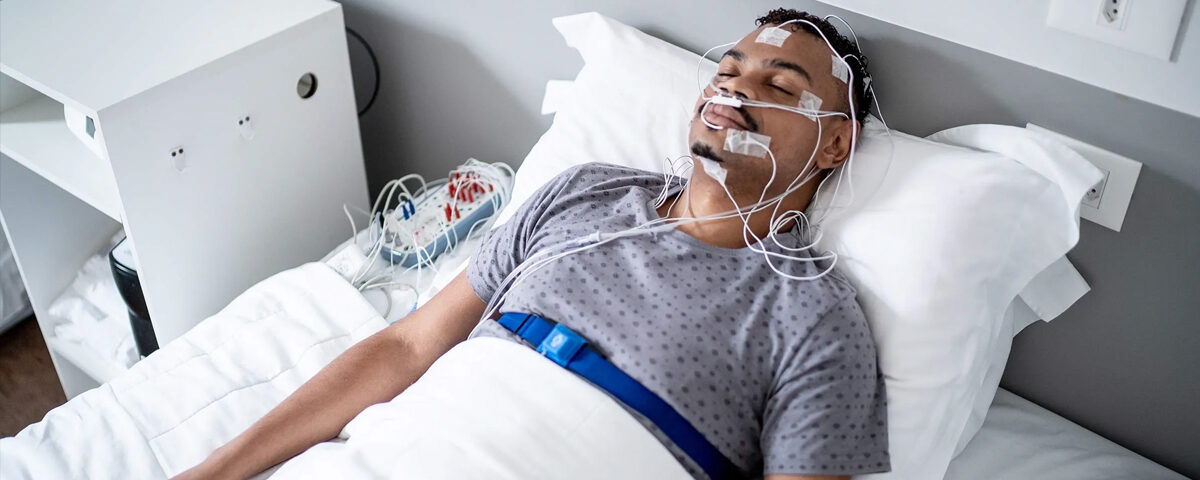
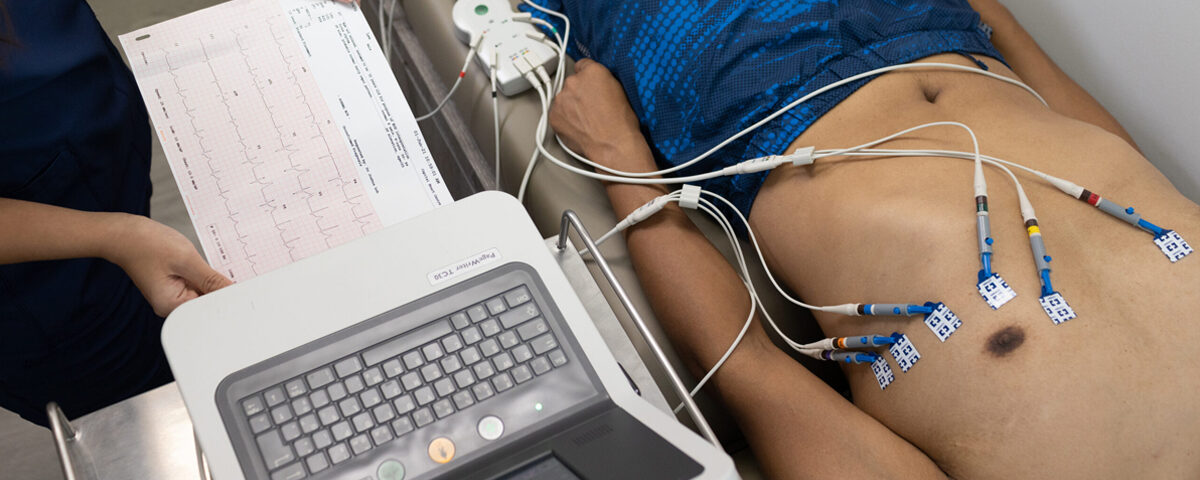
- Use of wearable devices or mobile apps to track vital signs (e.g., heart rate, blood pressure, glucose levels).
- Monitoring chronic conditions, medication adherence, or post-operative recovery.
- E-Prescriptions:
- Securely issuing prescriptions and refills through digital platforms.
- Integration with pharmacies for direct medication delivery.
- Digital Health Records:
- Access to electronic health records (EHR) for patients and providers.
- Seamless sharing of medical history and test results during virtual consultations.
- Specialist Access:
- Connecting with specialists without the need for travel.
- Multi-disciplinary virtual care for complex cases.
- Patient Education:
- Online resources, videos, and consultations to guide patients about their condition and treatment.
Advantages of Telemedicine Support:
- Accessibility: Bridging the gap for patients in remote or underserved areas.
- Convenience: Reducing travel time and costs for patients.
- Timeliness: Providing faster access to care, especially in emergencies or urgent cases.
- Cost-Effectiveness: Lowering healthcare costs for both patients and providers.
- Continuity of Care: Facilitating regular follow-ups and chronic disease management.
Common Use Cases:
- Primary Care Consultations:
- Diagnosis and treatment of minor illnesses or injuries.
- Health advice and wellness checkups.
- Chronic Disease Management:
- Diabetes, hypertension, asthma, and other long-term conditions.
- Remote monitoring and regular updates.
- Mental Health Services:
- Therapy sessions, counselling, and psychiatric evaluations.
- Accessible mental health support, reducing stigma.
- Postoperative and Palliative Care:
- Virtual follow-ups to monitor recovery or provide symptom relief.
- Support for patients and families in palliative settings.
- Emergency Services:
- Initial triaging in emergencies.
- Guiding patients on whether in-person care is necessary.
Technology and Tools:
- Video Conferencing Platforms: Secure and HIPAA-compliant systems for real-time interactions.
- Mobile Health Apps: These applications offer symptom checkers, appointment booking, and virtual consultations.
- Wearable Devices: Smartwatches, fitness trackers, and medical devices for continuous monitoring.
- AI and Chatbots: Assisting in symptom assessment and preliminary triaging.
Challenges and Considerations:
- Technology Access: Ensuring patients have devices and internet connectivity.
- Data Privacy and Security: Protecting patient information through encryption and compliance with regulations like HIPAA.
- Regulatory Compliance: Adhering to telemedicine laws and reimbursement policies.
- Clinical Limitations: Balancing remote care with the need for physical examinations or tests.
Telemedicine is revolutionizing healthcare delivery by making it more patient-centric and adaptable. Let me know if you’d like details on implementing telemedicine, specific technologies, or its integration into healthcare systems.