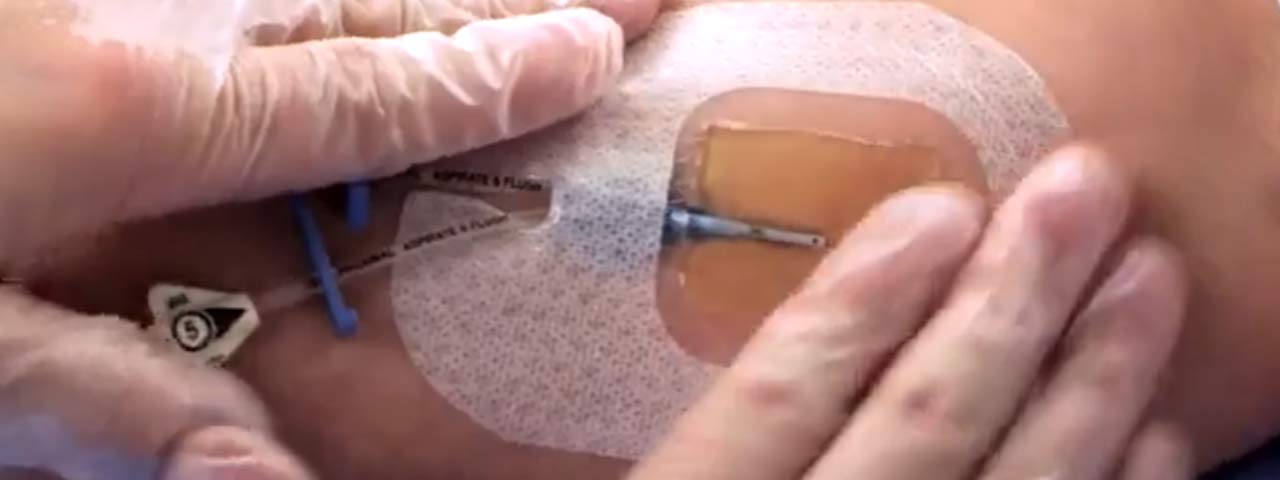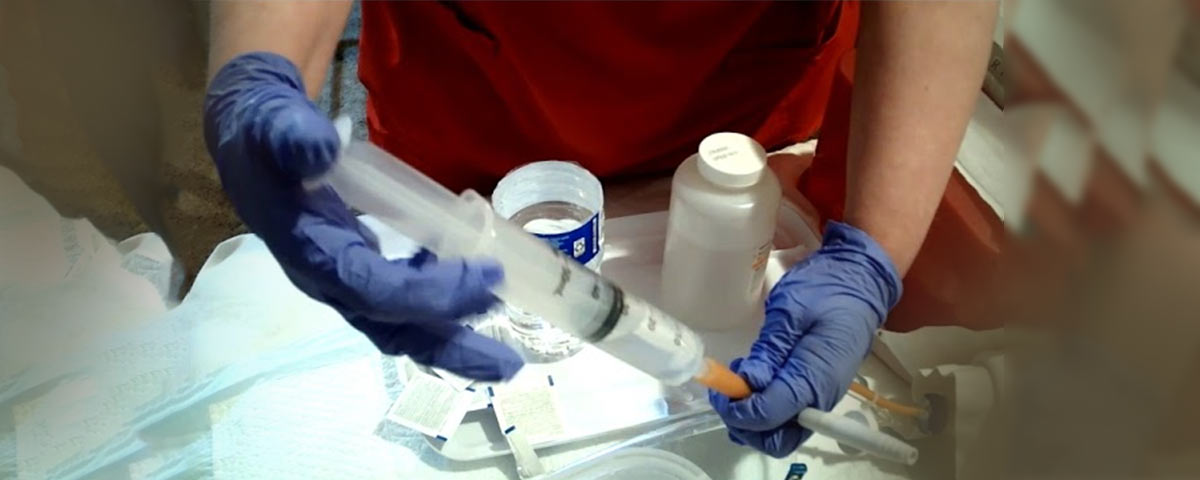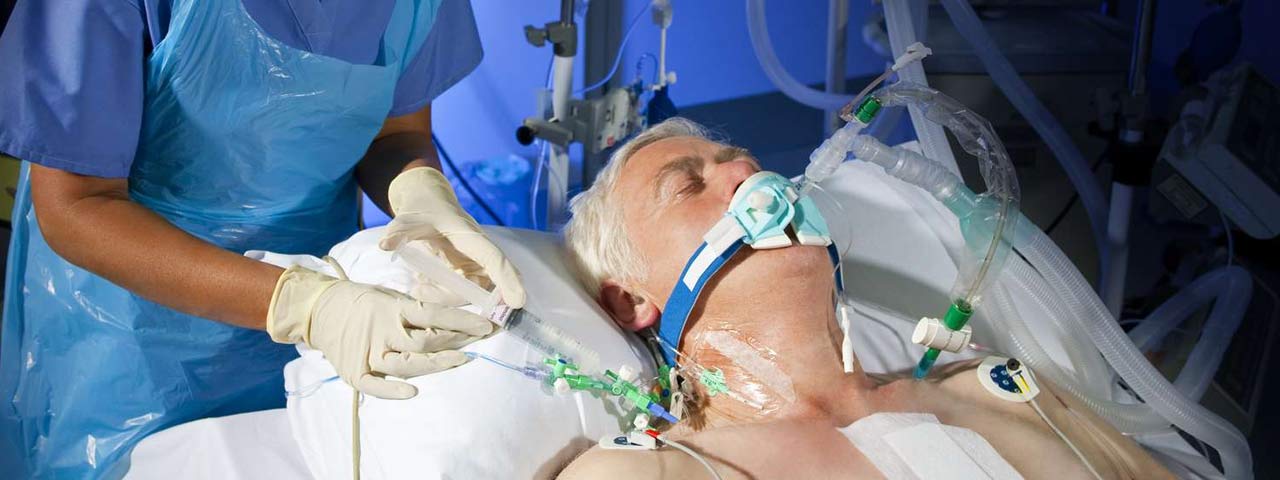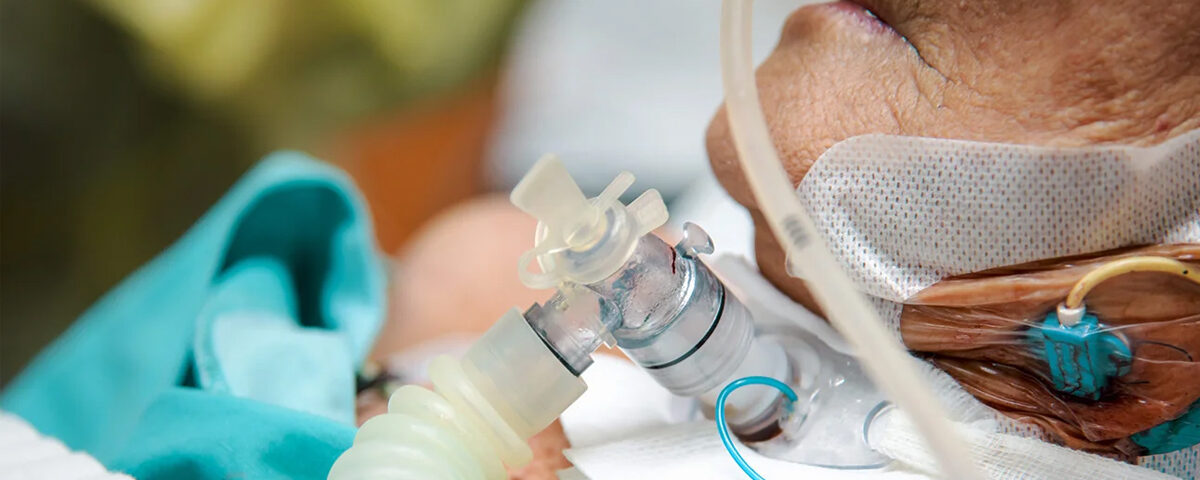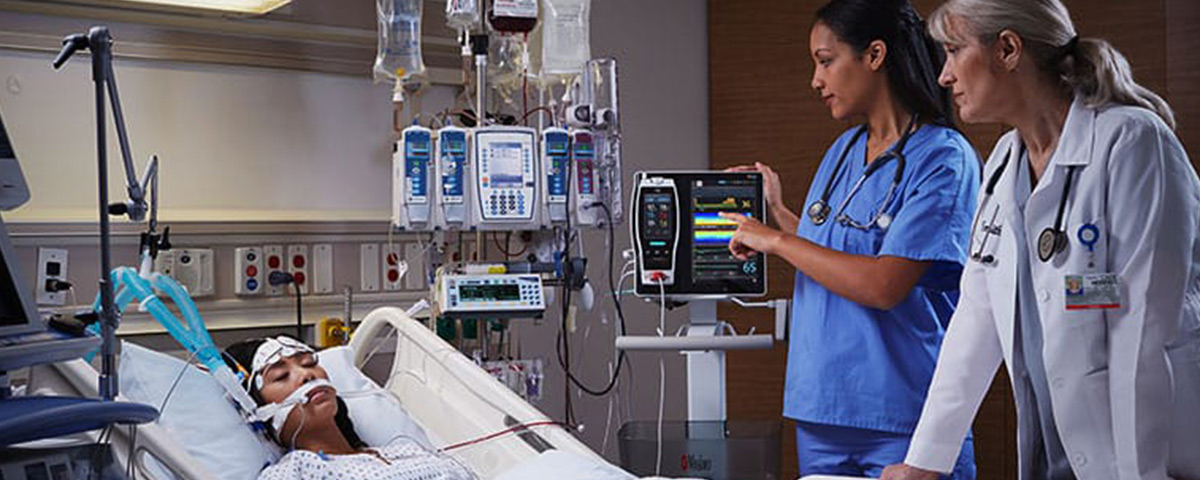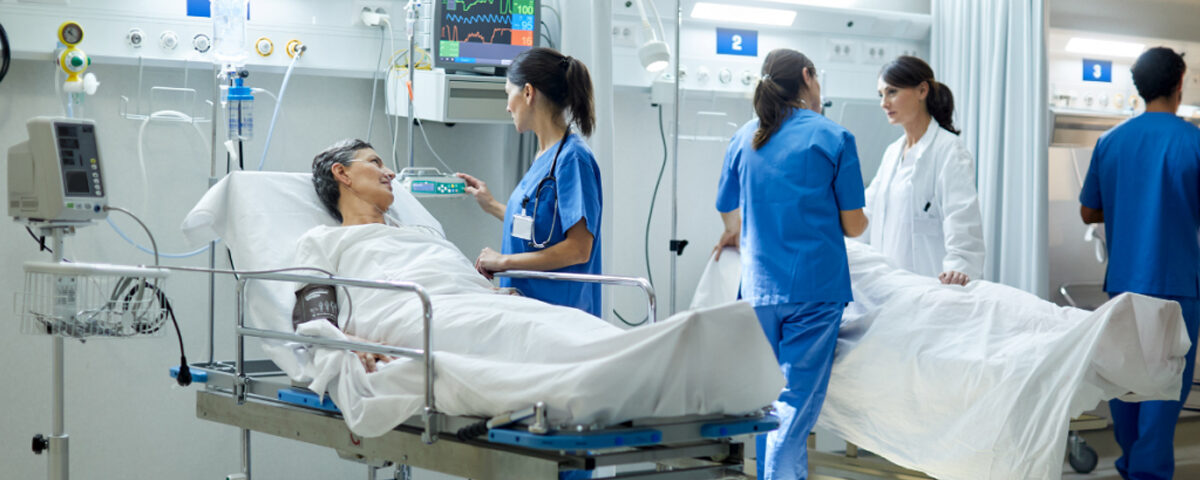

Critical Care Nurses are specialized healthcare professionals trained to provide care to critically ill patients who require close monitoring and advanced medical interventions. They often work in intensive care units (ICUs), emergency rooms, and with patients receiving critical care at home.
Roles and Responsibilities of a Critical Care Nurse
1. Monitoring Patient Vital Signs:
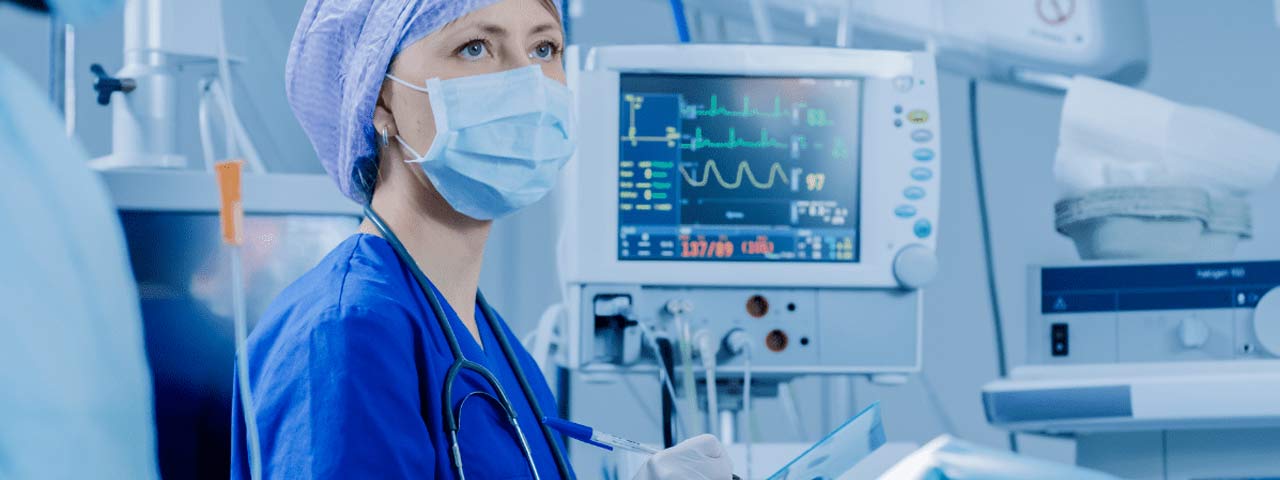
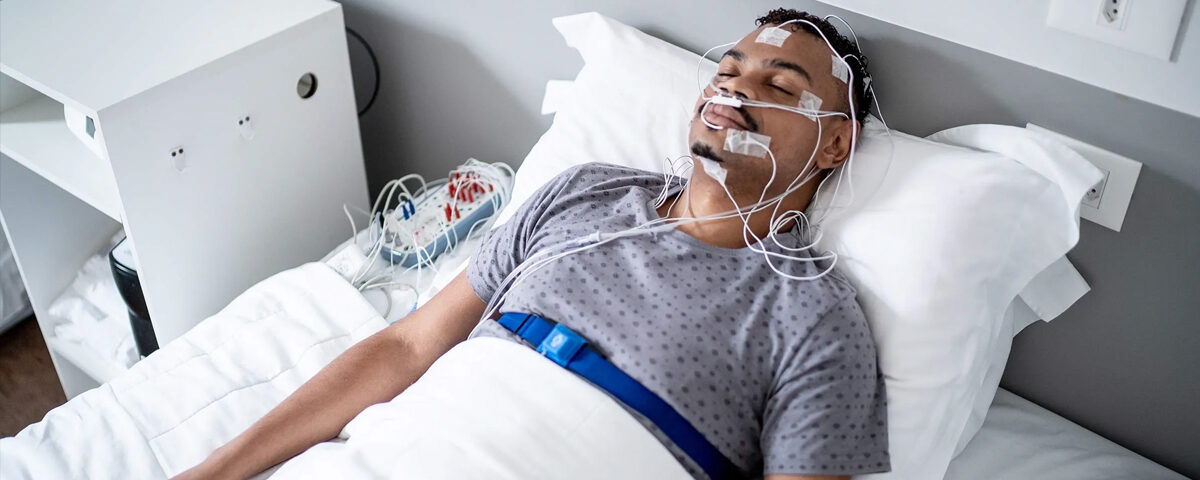
- Continuous monitoring of heart rate, blood pressure, oxygen saturation (SpO₂), respiratory rate, and other vital parameters.
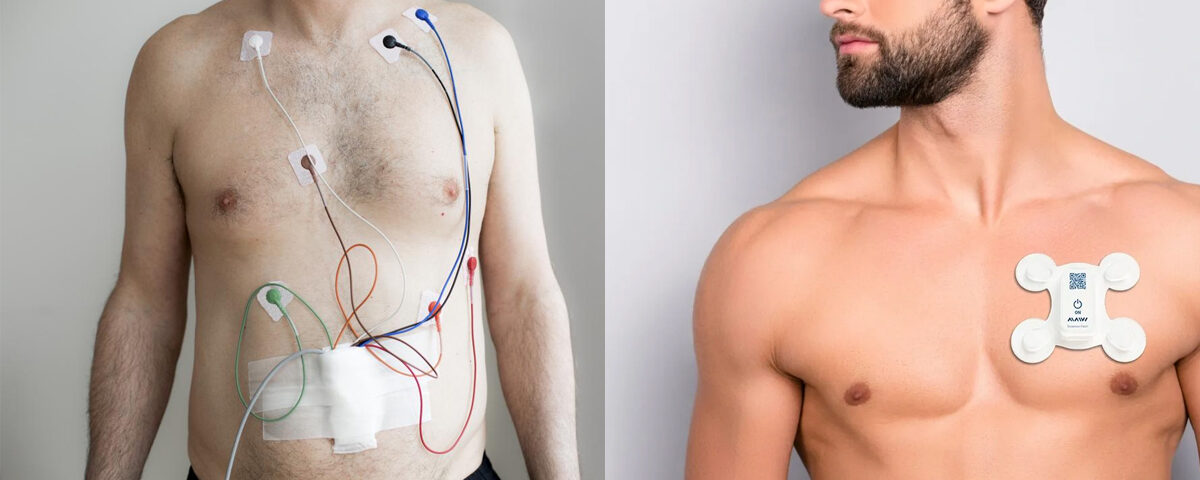
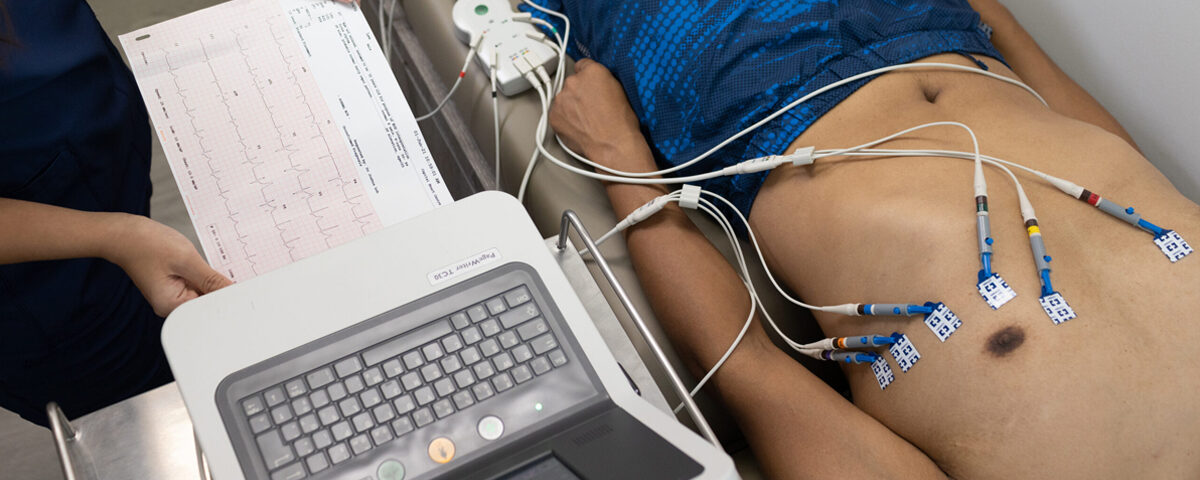
- Interpretation of ECG readings and identifying arrhythmias.
- Regular assessment of neurological status using tools like the Glasgow Coma Scale (GCS).
2. Administering Medications and Treatments:
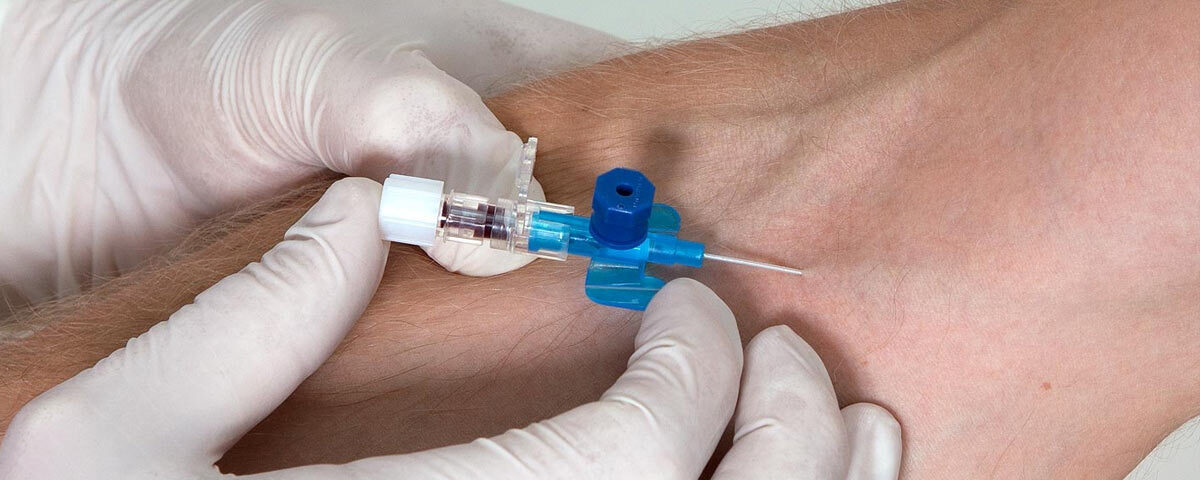
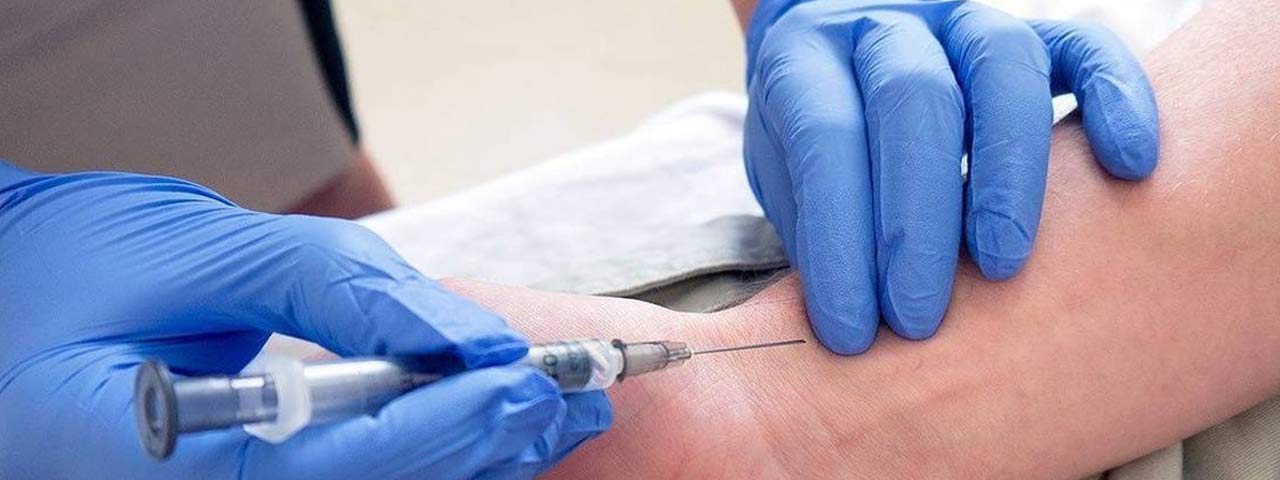
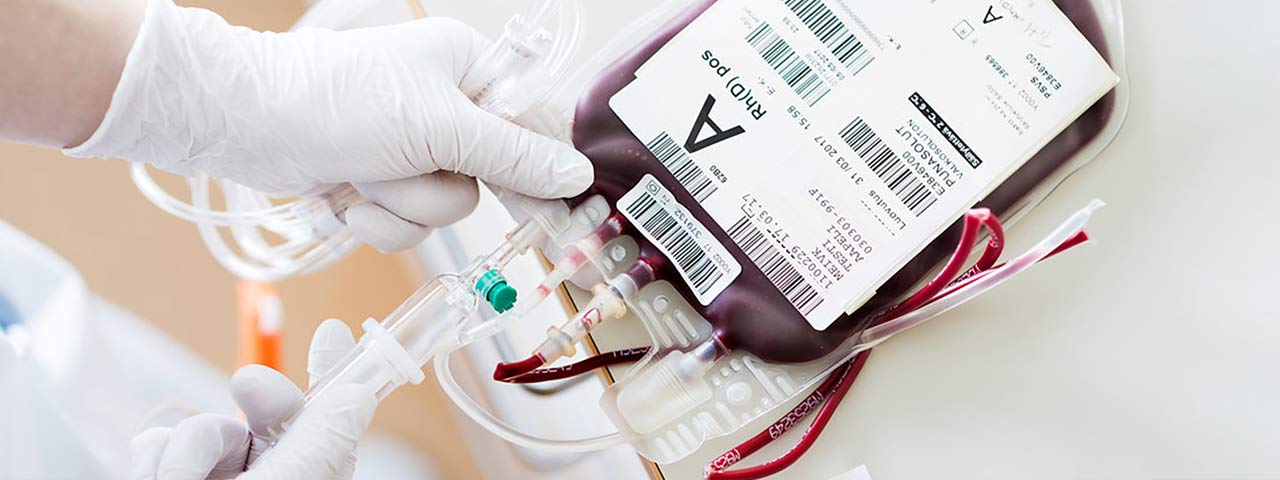
- Intravenous (IV) medications, fluids, and blood transfusions.
- Administration of sedatives, analgesics, and life-support medications (e.g., inotropes, vasopressors).
- Monitoring the effects of medications and adjusting as needed.
3. Operating Medical Equipment:
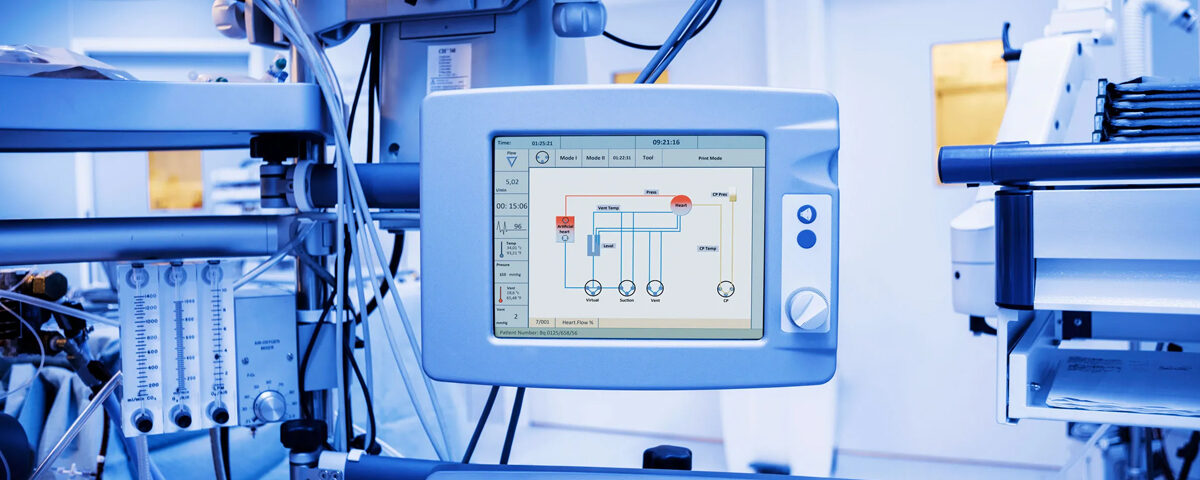
- Ventilators for patients with respiratory failure.
- Infusion pumps for precise delivery of medications.
- Monitoring devices like cardiac monitors and ICP (intracranial pressure) monitors.
4. Wound and Postoperative Care:
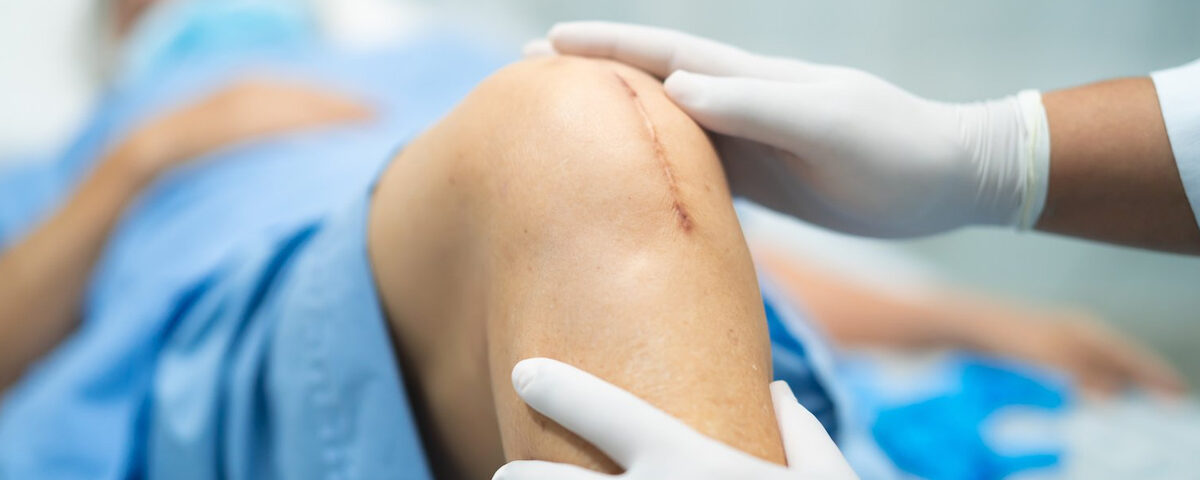
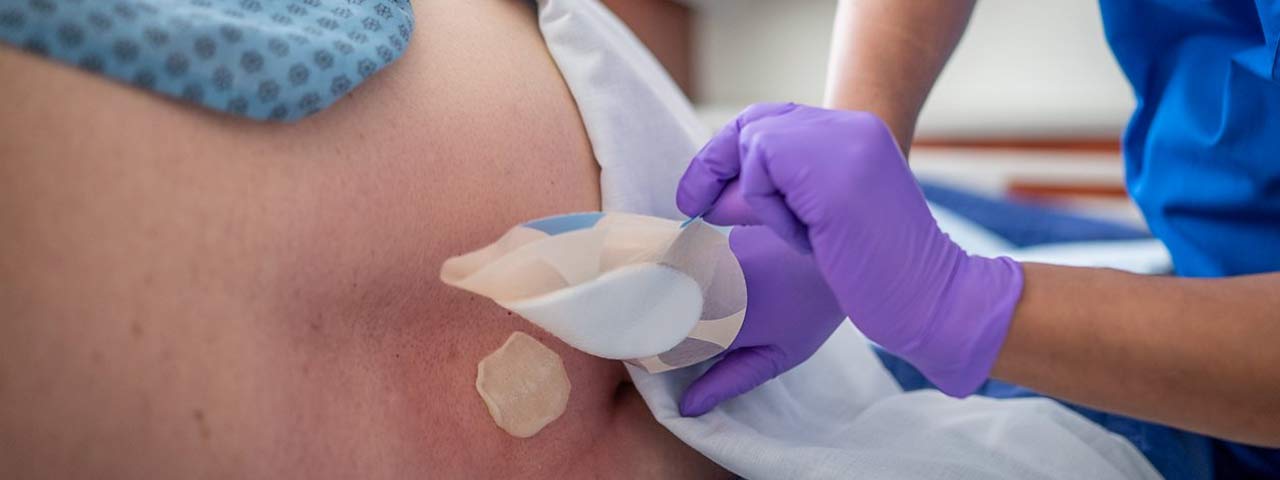
- Dressing changes and wound care for surgical or trauma patients.
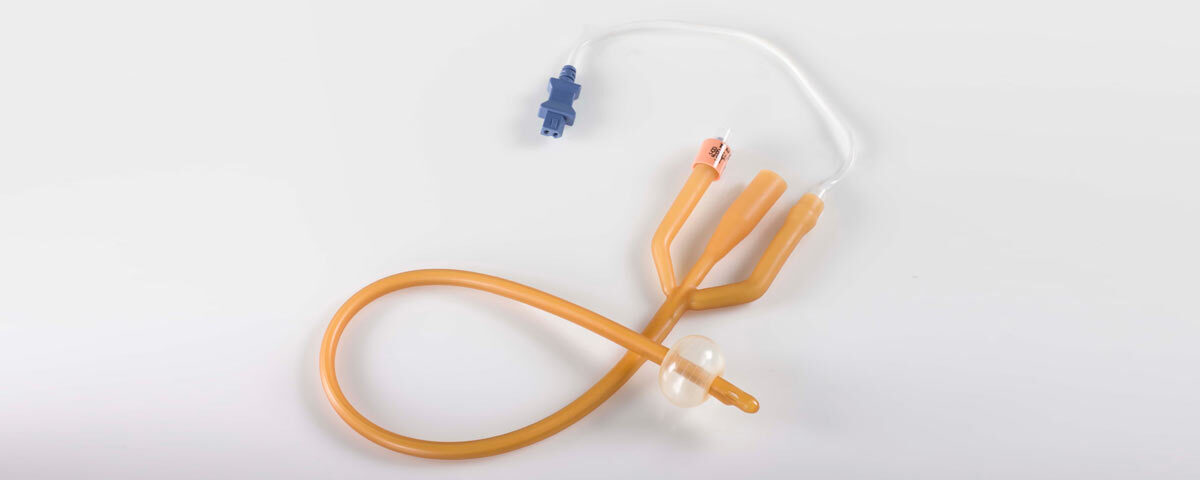
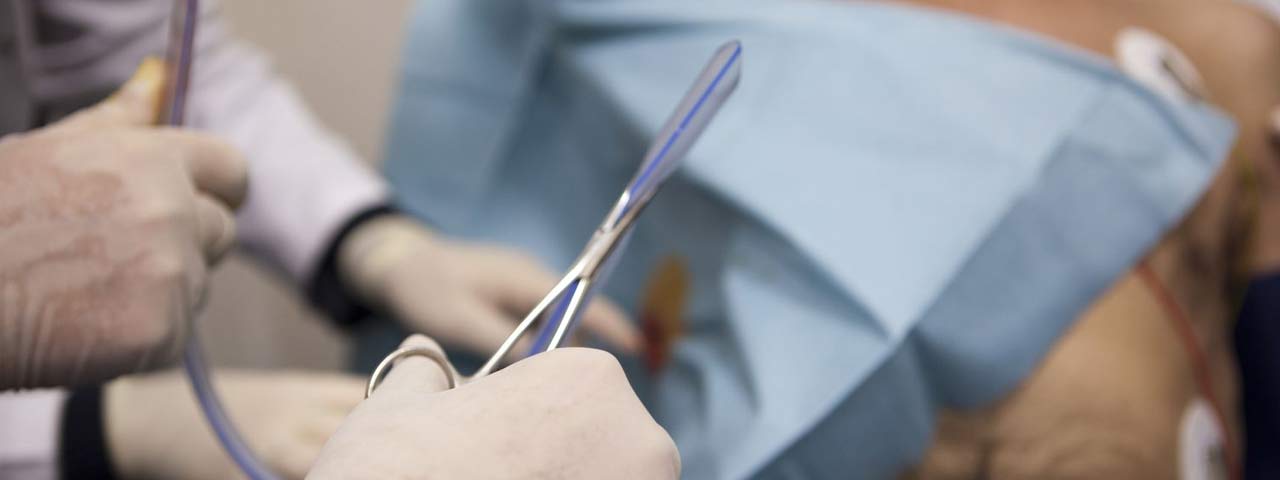
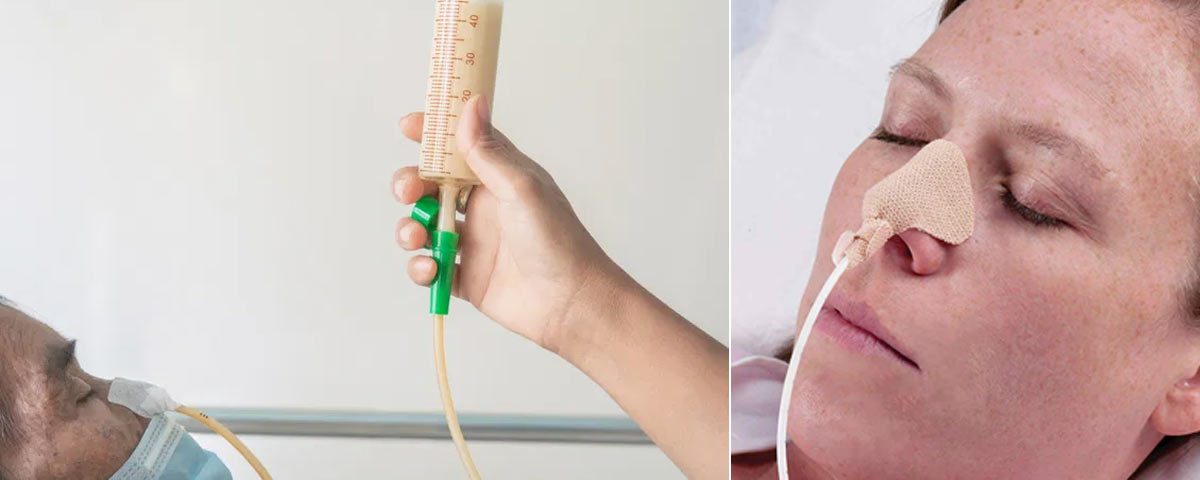
- Management of drains, catheters, and feeding tubes.
5. Emergency Interventions:
- Responding to cardiac arrests and administering CPR or defibrillation.
- Handling sudden deterioration, such as acute respiratory distress or sepsis.
- Assisting with intubation or emergency procedures.
6. Patient and Family Support:
- Explaining procedures and updates to families in critical situations.
- Providing emotional support to both patients and their families.
7. Collaborating with Multidisciplinary Teams:
- Working with doctors, respiratory therapists, and other healthcare professionals to develop and implement care plans.
- Participating in daily rounds to discuss patient progress and changes.
Skills Required for Critical Care Nurses
- Advanced knowledge of physiology and pathophysiology.
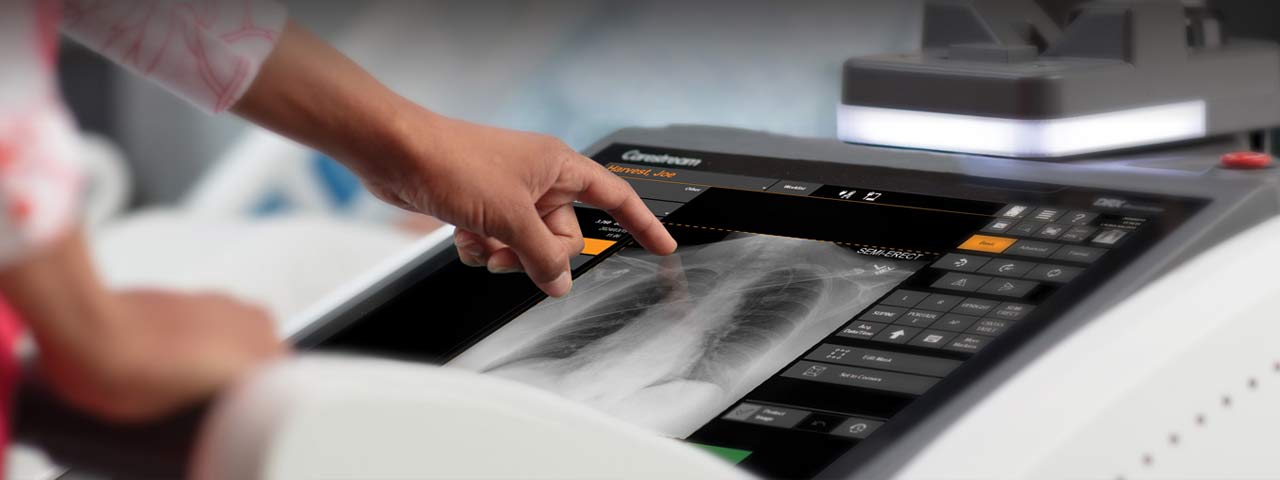
- Proficiency in using critical care equipment and monitoring systems.
- Strong decision-making and problem-solving skills.
- Ability to remain calm and efficient under pressure.
- Effective communication and teamwork abilities.
Specialized Care Areas
Critical care nurses may focus on specific areas, such as:
- Cardiac ICU: Managing patients with heart attacks, arrhythmias, or post-cardiac surgery.
- Neuro ICU: Caring for patients with strokes, traumatic brain injuries, or seizures.
- Pediatric/Neonatal ICU: Providing care to critically ill infants and children.
- Burn ICU: Managing patients with severe burns and wound care needs.
- ITU: Managing patients after discharge from the intensive therapeutic unit.
Home-Based Critical Care Nursing
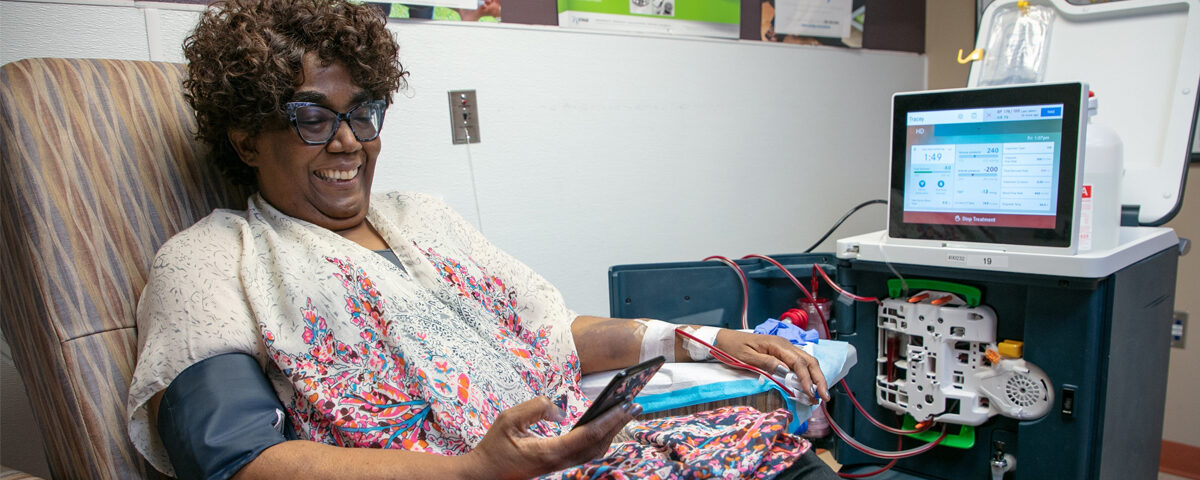
With the rise of home healthcare, critical care nurses are increasingly providing services outside the hospital. Examples include:
- Managing ventilated patients at home.
- Postoperative care for patients discharged early.
- Long-term care for patients with chronic critical illnesses.
- Palliative and end-of-life care.
Organizing Data for Critical Care Nursing
If documenting or tracking care provided by critical care nurses, data might include:
| Patient Name | Age | Diagnosis | Intervention | Medications Administered | Date | Nurse’s Notes |
| John Doe | 65 | Respiratory Failure | Mechanical Ventilation Management | Sedation (Propofol), Antibiotics | 2024-12-11 | Stable, oxygen saturation 95% |
| Jane Smith | 50 | Sepsis | IV Fluids, Antibiotics | Vasopressors (Noradrenaline) | 2024-12-10 | BP improved, monitor closely |
Let me know if you’d like further details, such as templates for documentation, or help with specific tasks related to critical care nursing!