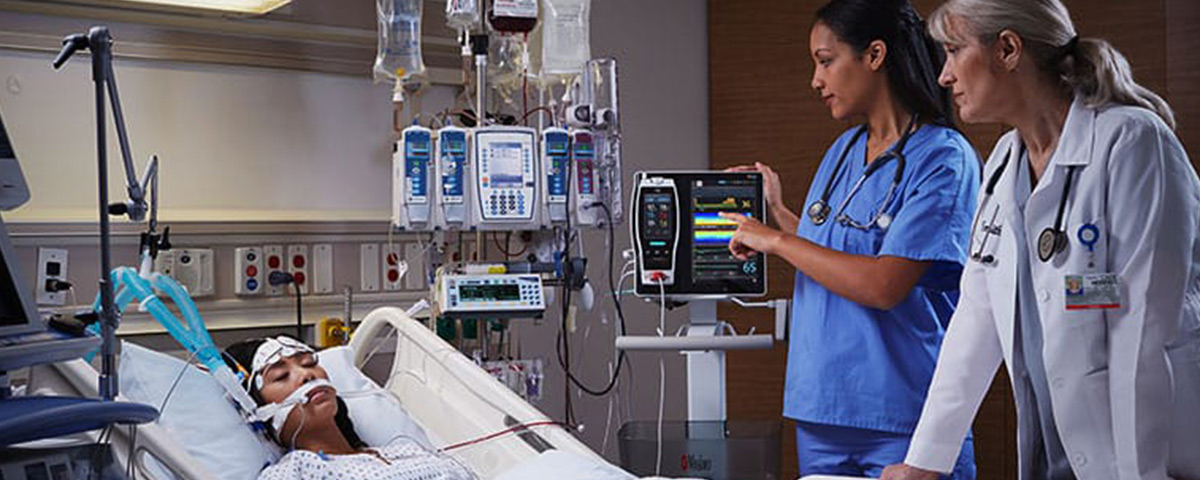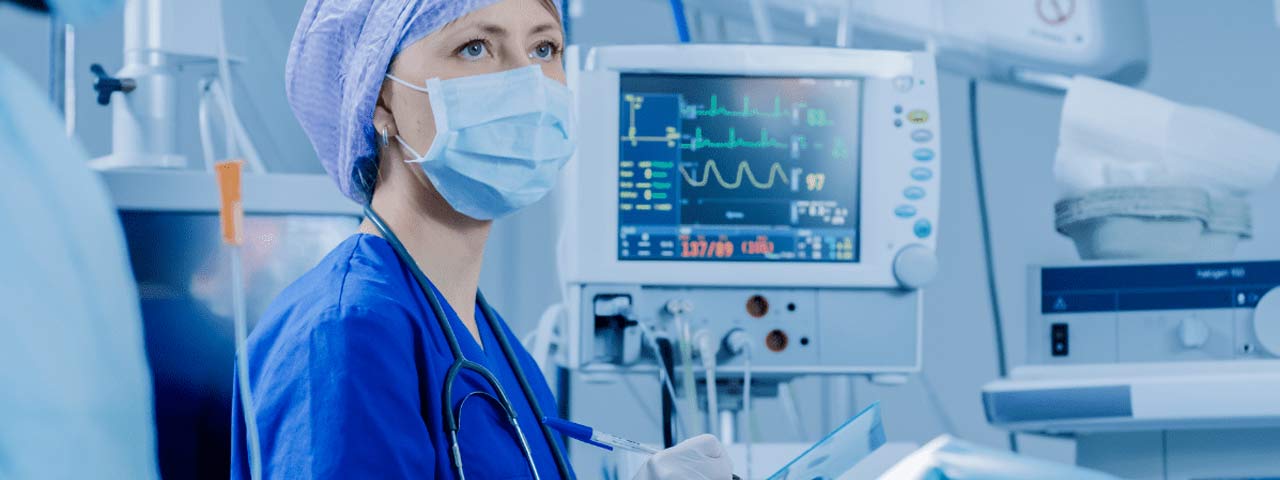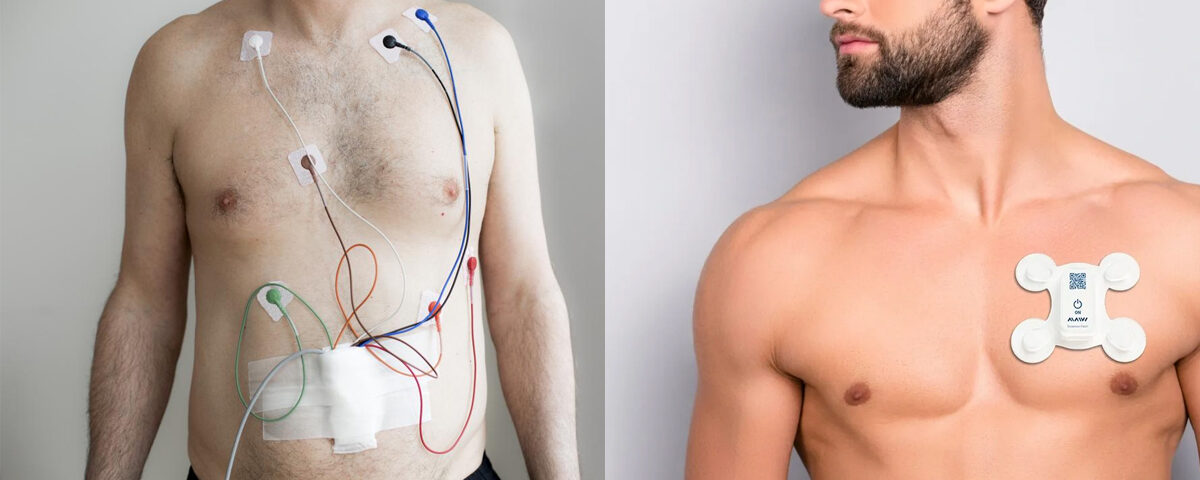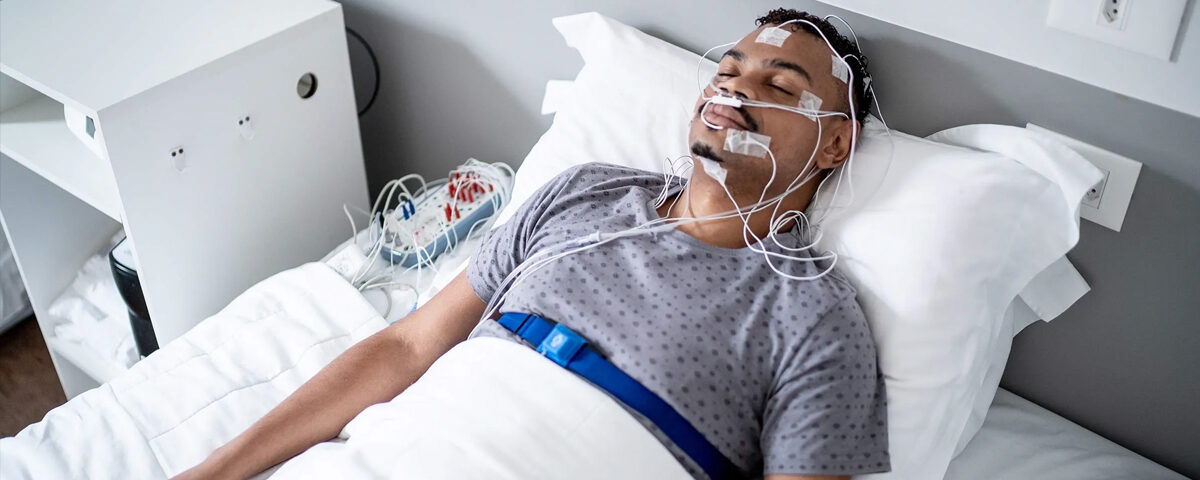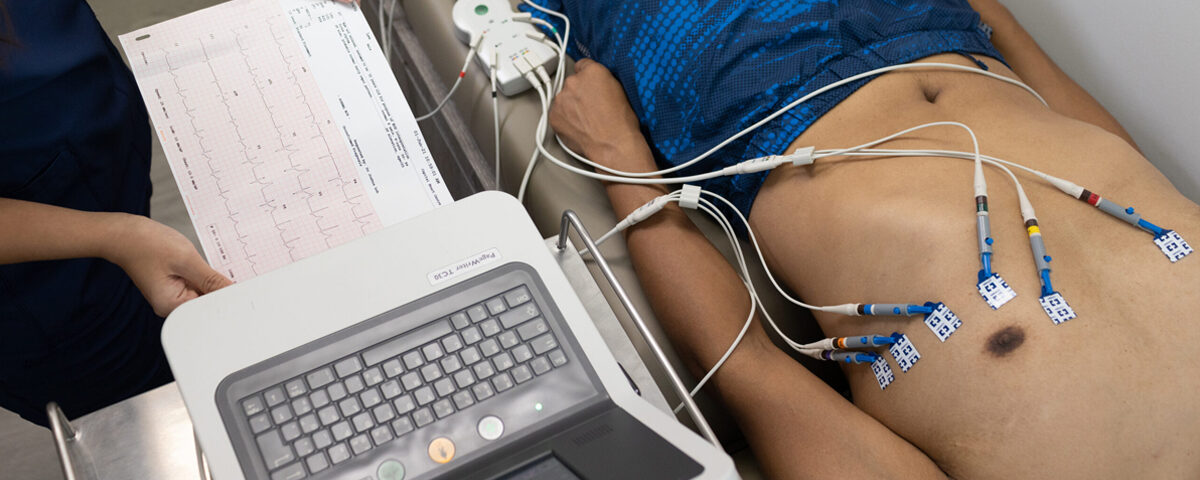

A sleep study (also called polysomnography) is a diagnostic test used to evaluate and diagnose sleep disorders such as obstructive sleep apnea (OSA), insomnia, narcolepsy, and restless legs syndrome. During a sleep study, various physiological parameters are monitored while a person sleeps.
Key Data Extracted from a Sleep Study
Here’s a list of common data points and parameters typically recorded in a sleep study that you might want to extract:
1. Patient Information
- Name
- Age
- Gender
- Date of Study
2. Sleep Stages
- Total sleep time (TST) in minutes/hours.
- Sleep efficiency (percentage of time asleep compared to time in bed).
- Sleep latency (time taken to fall asleep).
- Duration in different sleep stages:
- NREM (Non-Rapid Eye Movement) sleep:
- Stage 1 (light sleep)
- Stage 2 (deeper sleep)
- Stage 3 (deep sleep, also called slow-wave sleep)
- REM (Rapid Eye Movement) sleep.
- NREM (Non-Rapid Eye Movement) sleep:
3. Respiratory Events
- Apnea-Hypopnea Index (AHI): Average number of apneas (breathing pauses) and hypopneas (shallow breaths) per hour.
- Oxygen desaturation levels (lowest and average SpO₂).
- Number of apneas, hypopneas, and mixed events.
- Snoring patterns or intensity.
4. Heart and Movement
- Heart rate: Minimum, maximum, and average during sleep.
- Periodic limb movements or restless legs.
5. Other Observations
- EEG data (brainwave activity).
- EOG data (eye movements).
- EMG data (muscle activity).
- ECG data (heart activity).
6. Diagnosis/Conclusion
- Presence and severity of disorders like:
- Obstructive sleep apnea (mild, moderate, or severe).
- Central sleep apnea.
- Insomnia or hypersomnia.
- Treatment recommendations (e.g., CPAP, lifestyle changes).
If you’re working on extracting data from sleep study files or need to format the results for analysis, let me know how I can help structure or extract the data!