
Chemotherapy Port Care (Chemofix Port or Port-a-Cath)
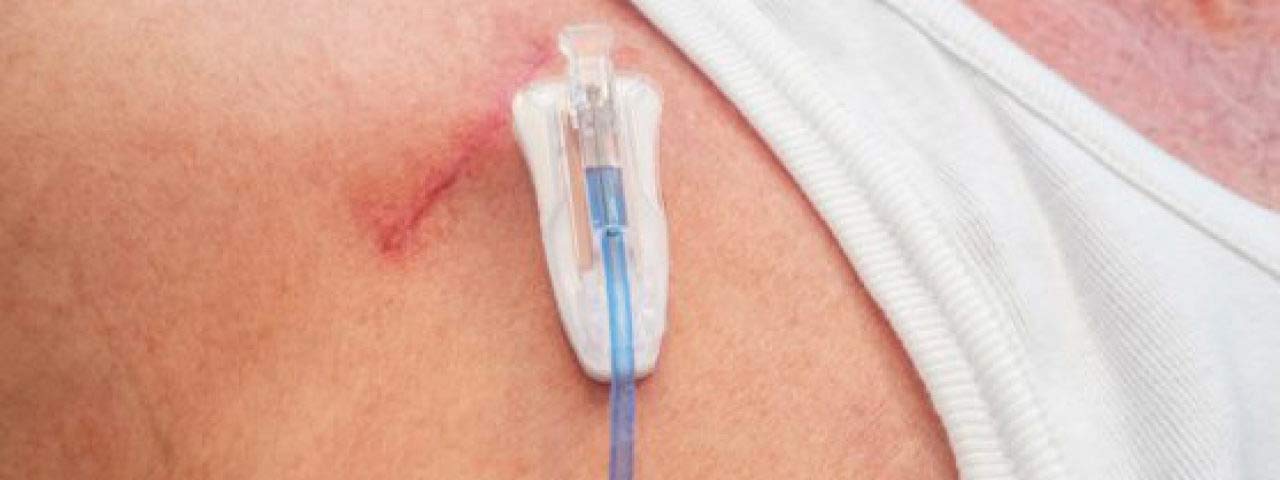
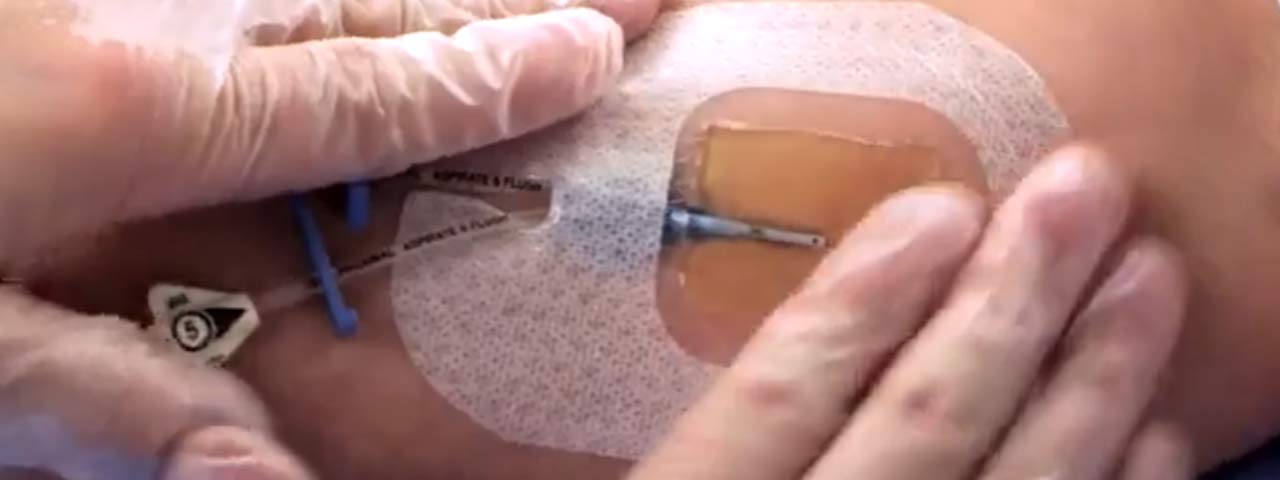
A chemotherapy port is a small medical device that is surgically implanted under the skin, typically in the chest, for easy and repeated access to a vein for chemotherapy treatment. The port is connected to a central vein and allows for the administration of chemotherapy drugs, blood draws, and other medical treatments.
Proper care of the chemotherapy port is essential to prevent infections, ensure its functionality, and maintain patient comfort.
Objectives of Chemotherapy Port Care:
- Prevent infection at the port site.
- Maintain patency of the port and catheter.
- Ensure comfort for the patient.
- Protect the port from dislodgment or damage.
Equipment Required:
- Sterile gloves and gown.
- Antiseptic solution (e.g., chlorhexidine or povidone-iodine).
- Sterile gauze and dressing materials.
- Normal saline and heparin (for flushing).
- Syringes and needles.
- Sterile cap for port access.
- Biohazard waste bag.
General Care for Chemotherapy Port:
-
Preparation:
-
- Explain the Procedure:
- Explain to the patient why care of the port is essential and the steps involved in the process.
- Ensure Aseptic Technique:
- Perform hand hygiene and wear sterile gloves.
- Clean the area around the port insertion site with an antiseptic solution.
- Explain the Procedure:
-
Cleaning and Flushing the Port:
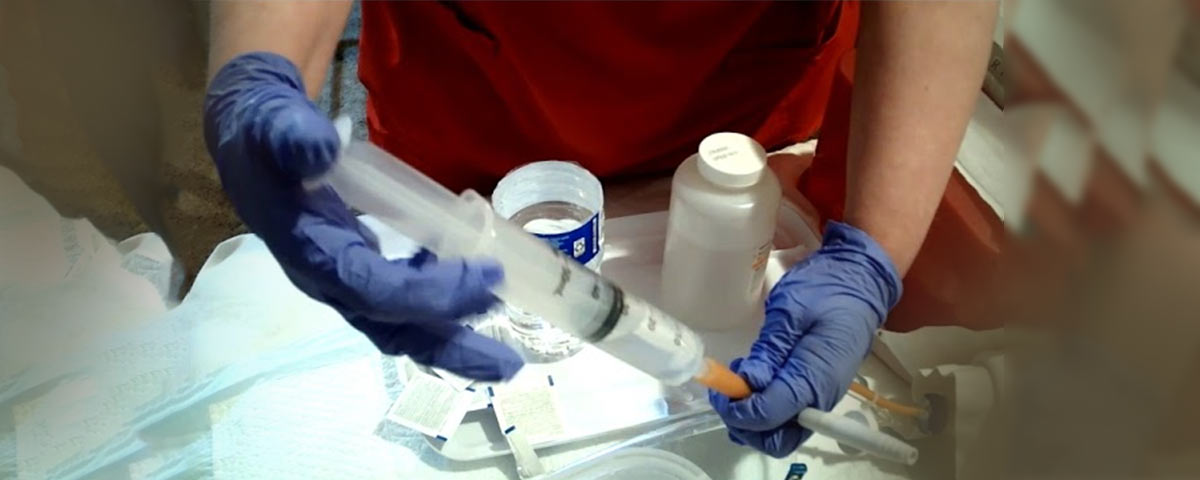
- Flushing the port ensures it remains free from clots and maintains patency.
- Flushing with Normal Saline:
- Use a sterile syringe to inject saline into the port (usually 10 mL).
- Flush gently to avoid excessive pressure.
- Ensure that the port is not obstructed and the flow is smooth.
- Flushing with Heparin:
- After saline, a small amount of heparin (usually 5–10 units) may be used to prevent clot formation inside the catheter.
- Do not use heparin if the patient has a known allergy to it.
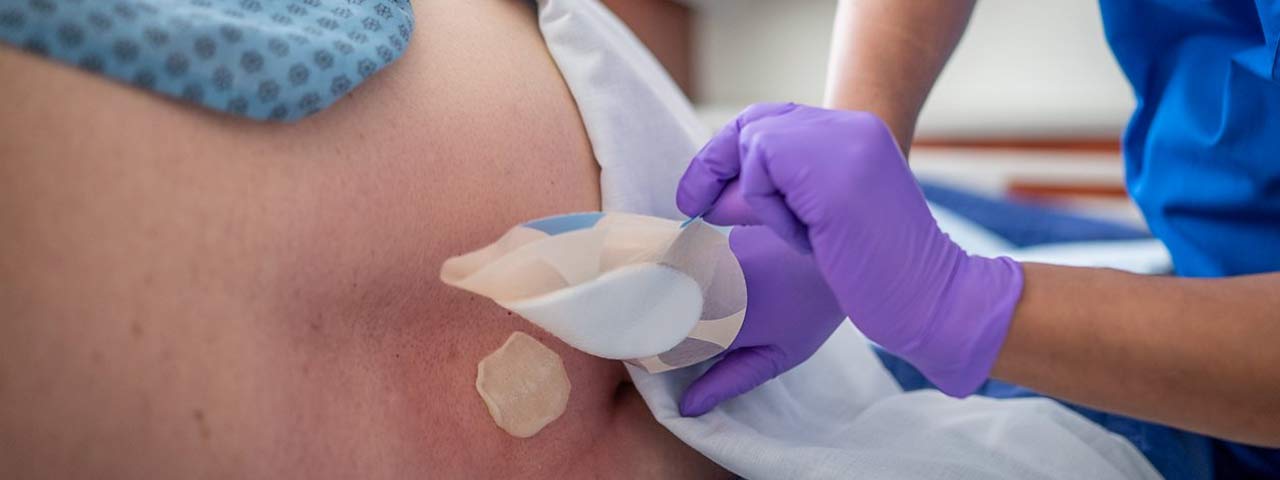
- Dressing Change:
- Remove the Old Dressing:
- Carefully remove the old dressing, ensuring that no part of the catheter or port is disturbed.
- Inspect the Insertion Site:
- Look for signs of infection (redness, swelling, drainage) or irritation.
- If there is any sign of infection, notify the healthcare provider immediately.
- Apply a New Dressing:
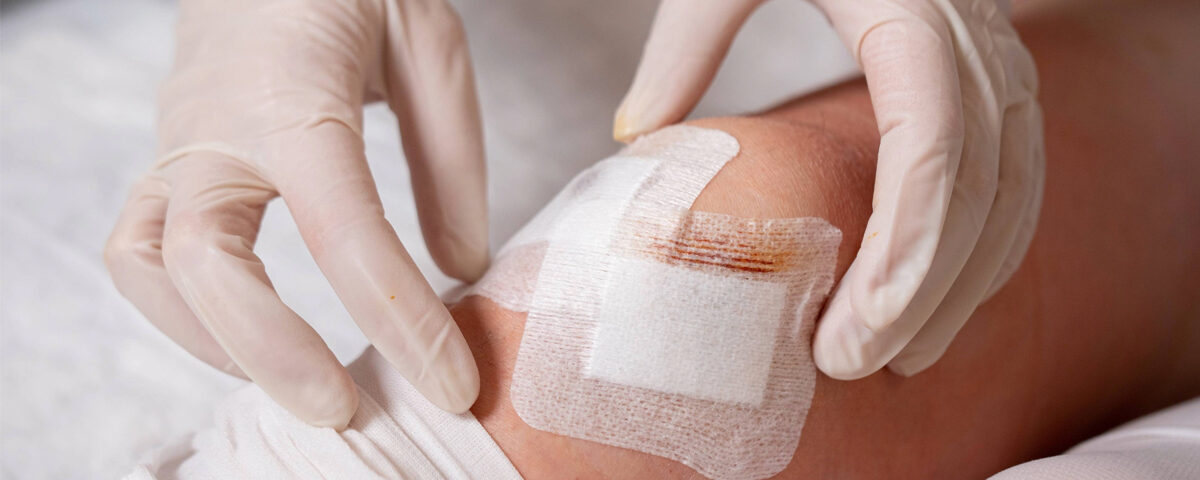
- Place sterile gauze over the port and secure it with a sterile dressing (transparent or non-transparent).
- Ensure the dressing is secure and does not apply pressure to the port.
- Avoid occluding the catheter with the dressing.
- Port Access (for Chemotherapy Administration):
- Clean the Port Access Site:
- Use an antiseptic wipe to clean the port access area before any procedure.
- Accessing the Port:
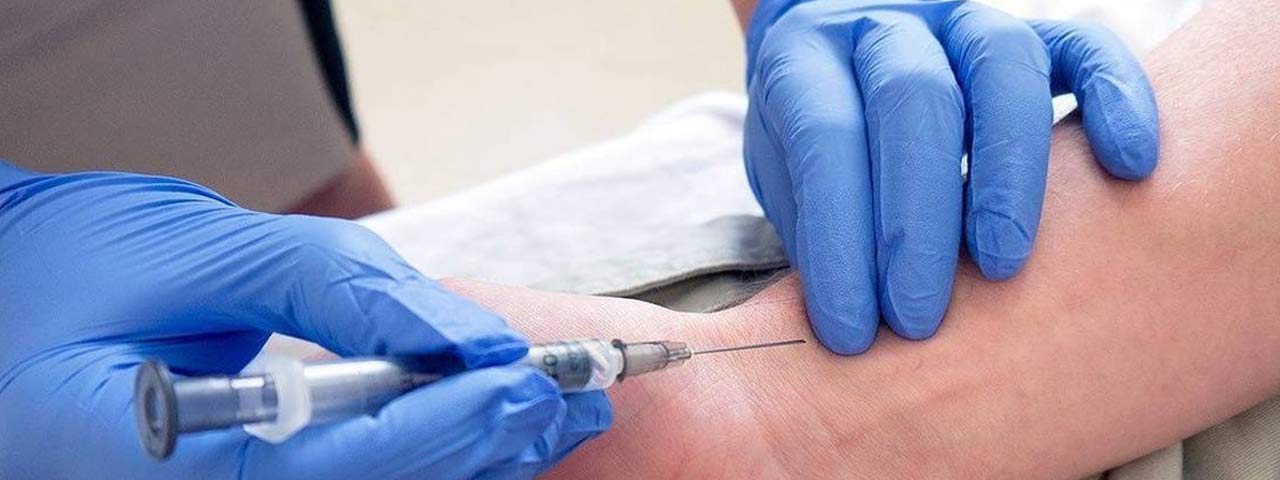
- Use a sterile needle (Huber needle) to access the port for chemotherapy administration.
- Ensure that the needle is inserted gently, and confirm blood return to ensure proper placement.
- After chemotherapy administration, flush the port again with saline and heparin to ensure patency.
- Secure the Needle:
- Ensure the needle is secure and does not shift during the procedure.
Post-Care Instructions:
- Monitor for Infection:
- Look for redness, swelling, or pain at the insertion site.
- Watch for systemic symptoms such as fever, chills, or malaise.
- Avoid Direct Pressure:
- Do not apply direct pressure to the port side to avoid dislodging the catheter or causing damage.
- Protect the Port During Activities:
- Avoid activities that might place pressure on the port, such as heavy lifting, or wearing tight clothing that could rub the area.
- Keep the Area Dry:
- Avoid getting the port site wet, particularly after dressing changes, to prevent contamination.
Signs of Potential Complications:
- Infection:
- Redness, warmth, swelling, or discharge at the site.
- Fever or chills.
- Port Dislodgment:
- Pain at the insertion site or unusual sensations.
- Difficulty in administering chemotherapy or blood draws.
- Clotting or Occlusion:
- Resistance when flushing the port.
- Absence of blood return when attempting to access the port.
Frequency of Port Care:
- Dressing Change: Typically every 7 days, or sooner if the dressing is soiled or loose.
- Flushing: At least once a month or as the healthcare provider recommends. Flushing may also be necessary before and after each chemotherapy session.
Would you like more detailed information on troubleshooting port-related issues or advice on dressing types?