
Speech Therapy is a specialized treatment designed to address speech, language, communication, and swallowing disorders. Conducted by certified speech-language pathologists (SLPs), it helps individuals improve their ability to communicate effectively and manage related conditions.
Key Areas of Speech Therapy:
-
Speech Disorders:
- Articulation Disorders:
- Difficulty pronouncing sounds correctly.
- Example: Substituting “wabbit” for “rabbit.”
- Fluency Disorders:
- Issues like stuttering or cluttering, lead to interrupted speech flow.
- Voice Disorders:
- Problems with pitch, volume, or quality of voice, are often caused by vocal cord damage.
-
Language Disorders:
- Expressive Language Disorders:
- Difficulty forming words, and sentences, or conveying thoughts clearly.
- Receptive Language Disorders:
- Trouble understanding or processing spoken or written language.
- Pragmatic Language Disorders:
- Challenges with social communication, such as taking turns in conversation or understanding non-verbal cues.
-
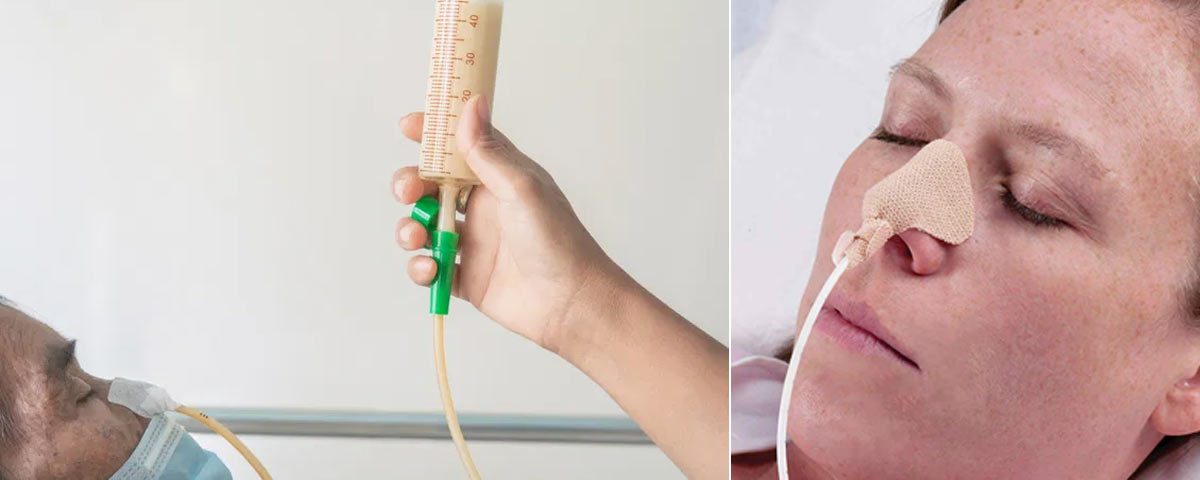
Swallowing Disorders (Dysphagia):
- Difficulty swallowing due to neurological conditions, injuries, or developmental issues.
-
Cognitive-Communication Disorders:
- Problems with memory, attention, perception, or problem-solving impact communication.
Who Can Benefit from Speech Therapy?
Children:
- Developmental delays.
- Speech sound disorders or lisps.
- Autism spectrum disorder (ASD).
- Learning disabilities affecting language skills.
- Auditory processing issues.
Adults:
- Stroke recovery affecting speech or language.
- Neurodegenerative diseases like Parkinson’s or ALS.
- Traumatic brain injuries (TBI).
- Voice problems due to overuse or medical conditions.
- Swallowing issues after surgery or radiation therapy.
What Happens in Speech Therapy?
-
Assessment:
- Comprehensive evaluation of speech, language, and swallowing abilities.
- Use of standardized tests, observation, and patient history.
-
Personalized Treatment Plan:
- Goals tailored to individual needs, such as improving articulation or enhancing vocabulary.
-
Therapy Techniques:
- For Speech:
- Articulation exercises to produce correct sounds.
- Breathing exercises to improve fluency and voice control.
- For Language:
- Vocabulary-building activities and storytelling.
- Understanding figurative language and social cues.
- For Swallowing:
- Strengthening oral muscles.
- Techniques for safe swallowing.
- For Cognitive Skills:
- Memory exercises and strategies to enhance attention.
-
Tools and Resources:
- Visual aids, speech-generating devices, and software.
- Home exercises and activities to reinforce therapy sessions.
Benefits of Speech Therapy:
- Enhances communication and confidence.
- Improves quality of life and social interactions.
- Facilitates swallowing safety and nutrition.
- Supports academic and professional success.
Settings for Speech Therapy:
- Hospitals and rehabilitation centres.
- Schools and educational facilities.
- Private clinics and teletherapy sessions.
- At-home therapy for convenience and comfort.
Speech Therapy for Special Populations:
- Autism Spectrum Disorder (ASD):
- Focus on social skills and functional communication.
- Aphasia (Post-Stroke):
- Regaining language abilities and alternative communication methods.
- Voice Professionals:
Training to maintain vocal health for teachers, singers, or actors.