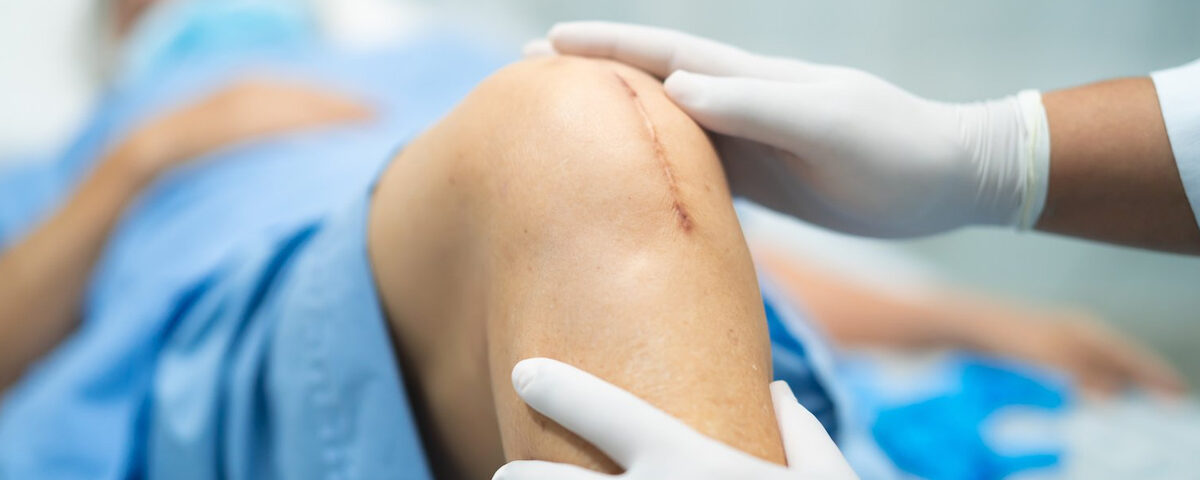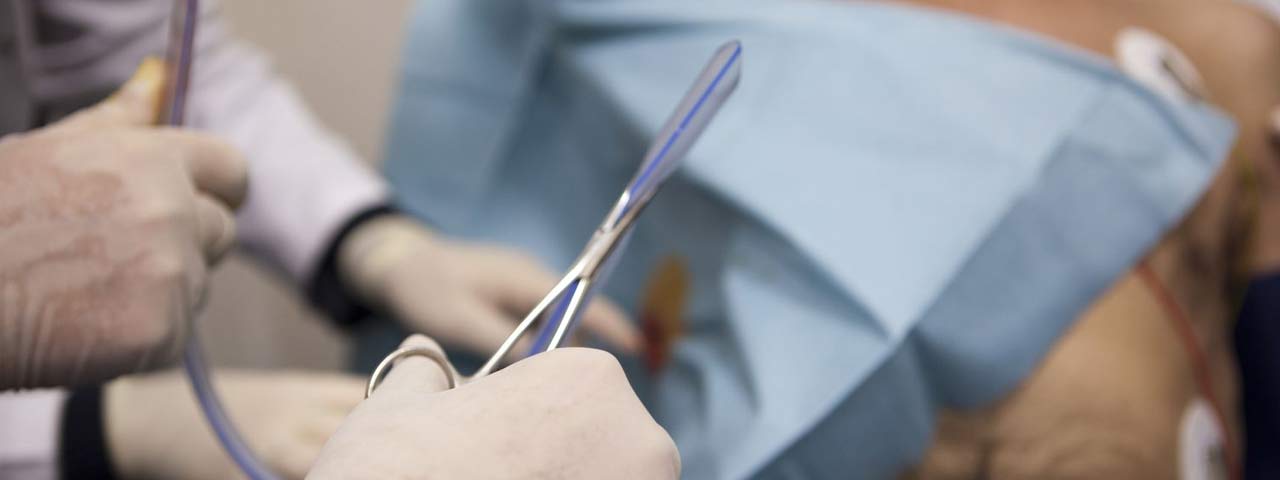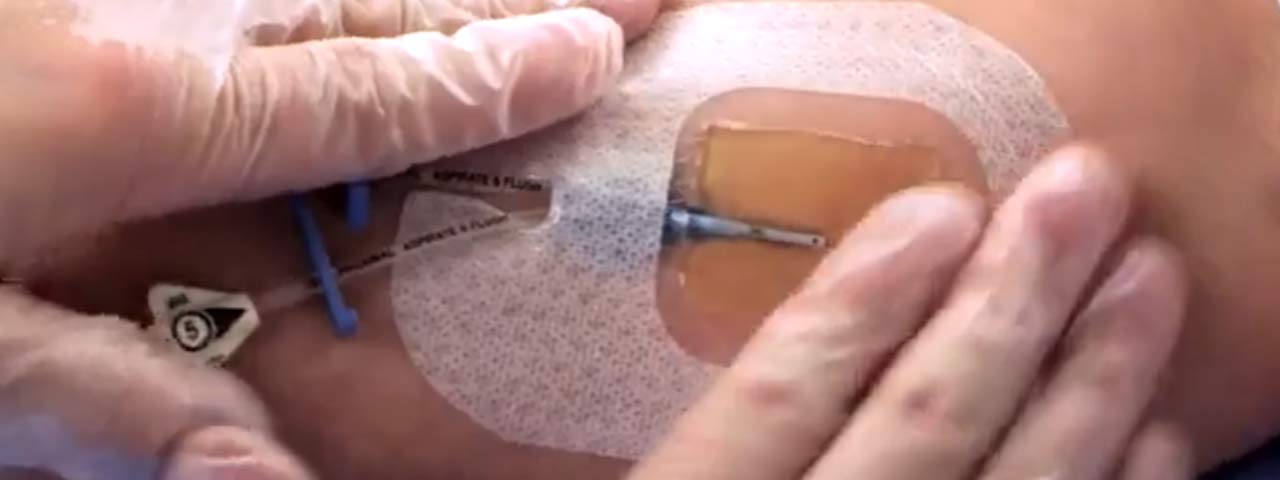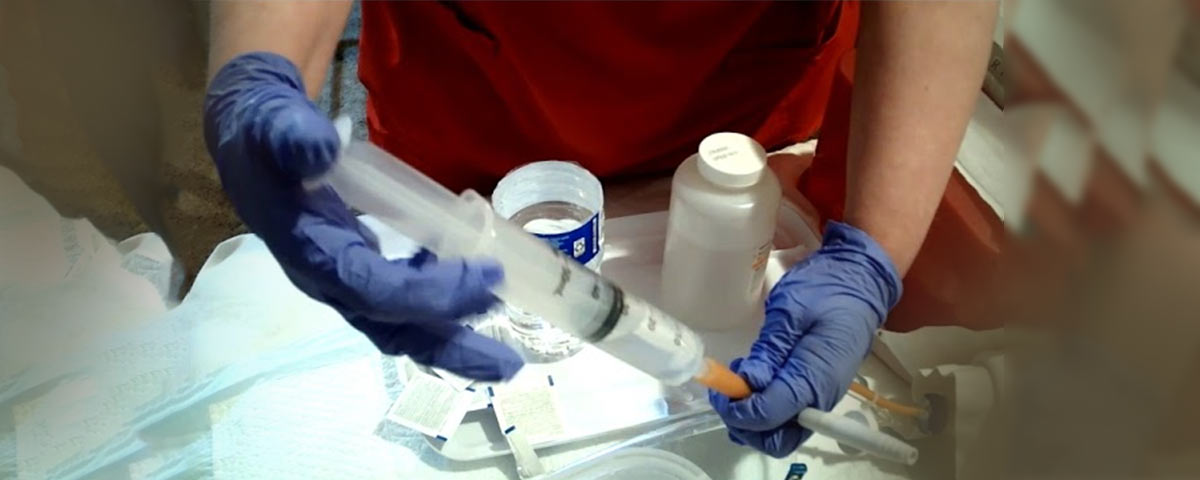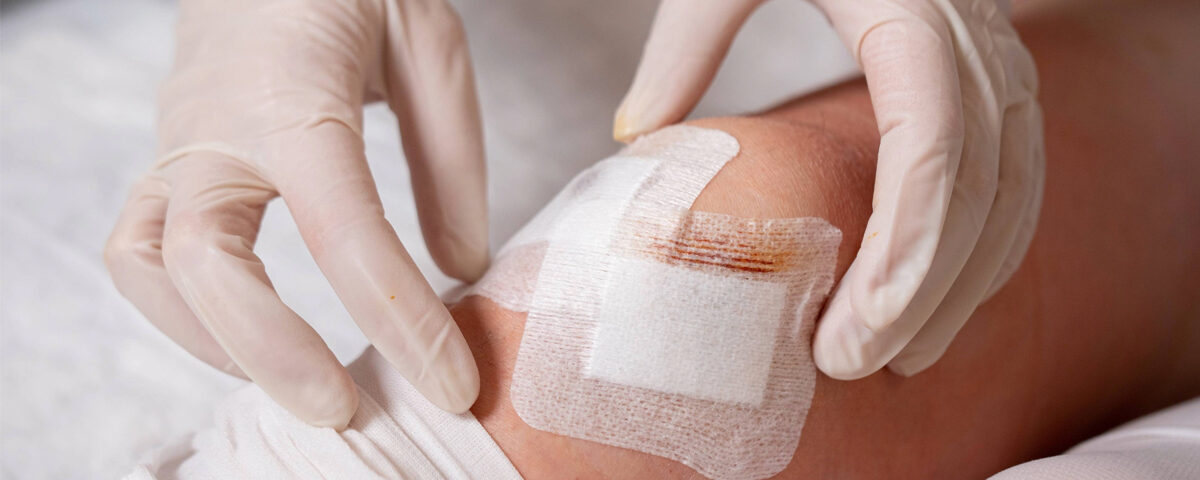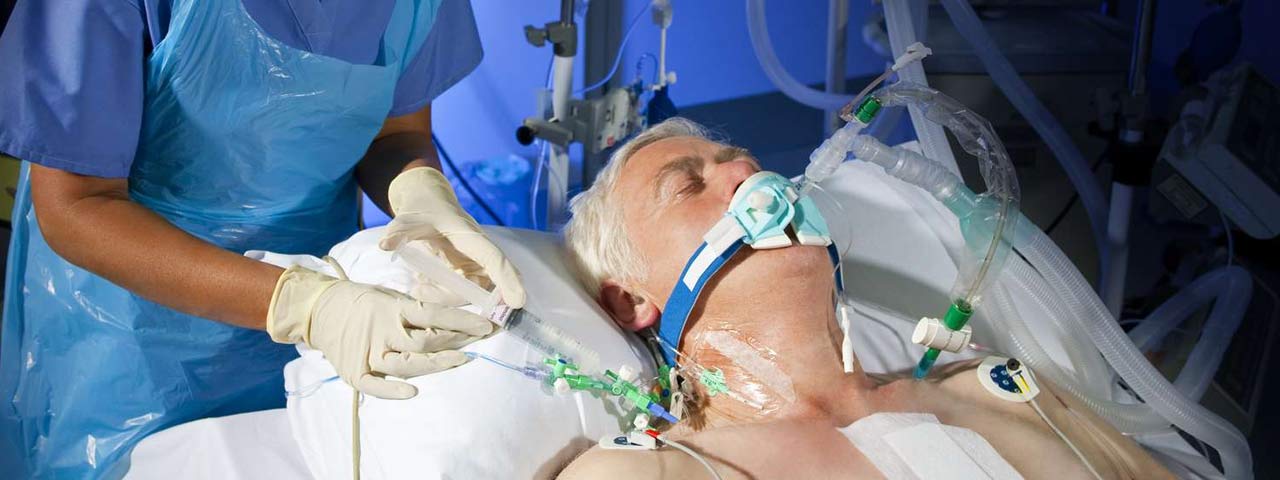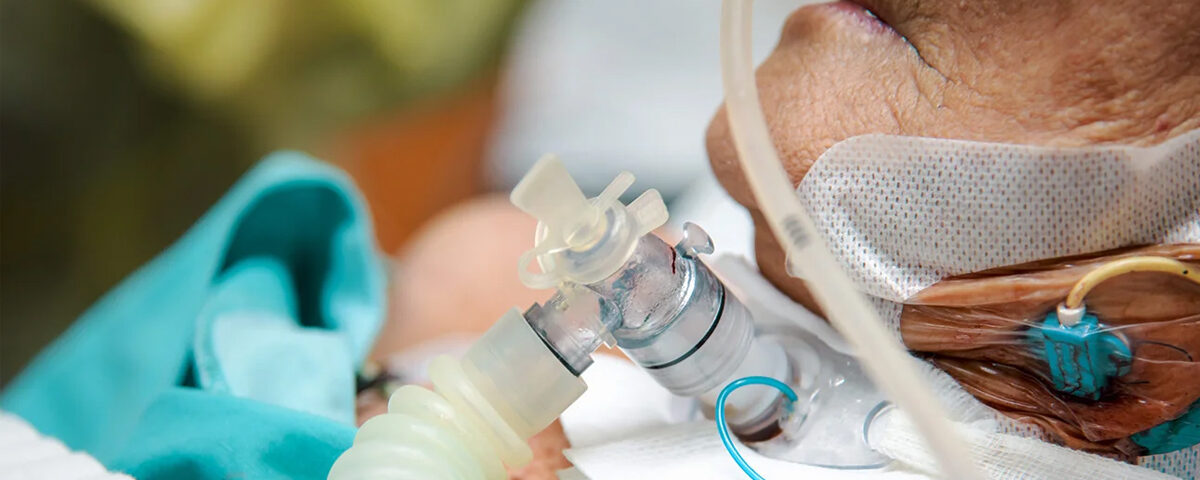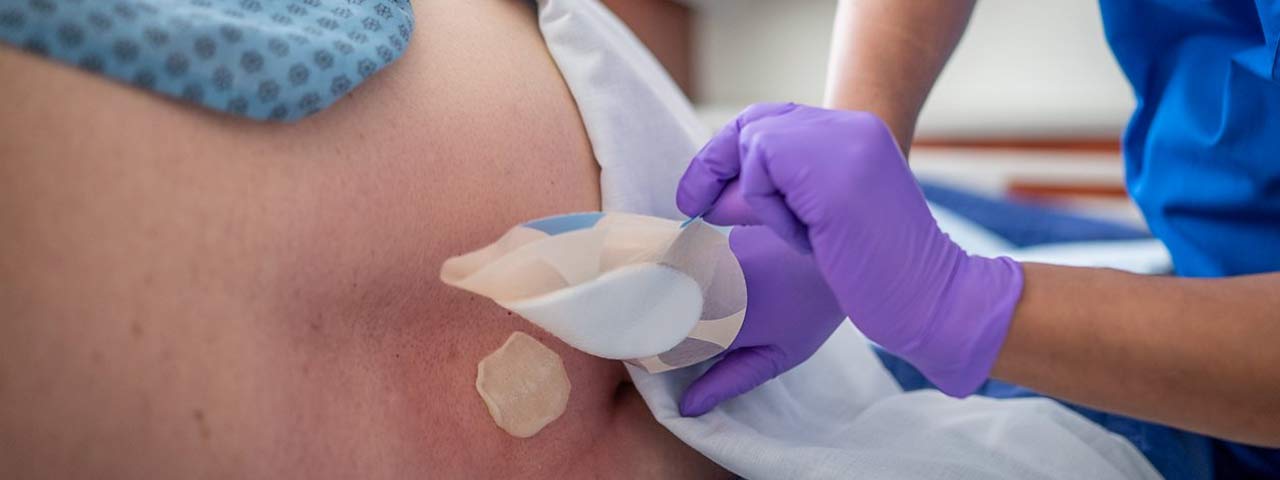

Chest drain dressing is a sterile procedure to care for the insertion site of a chest tube (thoracostomy tube). This tube is placed to drain air, fluid, or blood from the pleural cavity, helping to restore normal lung function. Proper dressing ensures the site remains clean and secure, minimizing the risk of infection or tube displacement.
Objectives:
- Maintain sterility at the insertion site.
- Prevent infection.
- Secure the chest tube to avoid accidental dislodgment.
- Enable monitoring of the site for complications.
Equipment Required:
- Sterile dressing pack.
- Antiseptic solution (chlorhexidine 2% or povidone-iodine).
- Sterile gauze pads and transparent dressing.
- Fixation tape or securement device.
- Sterile gloves.
- Disposable apron or gown.
- Biohazard waste bag.
Procedure Steps:
- Preparation:
- Explain the Procedure:
- Inform the patient about the steps and purpose.
- Ensure Asepsis:
- Perform hand hygiene and wear gloves, a gown, and a mask.
- Position the Patient:
- Place the patient in a comfortable semi-upright position to expose the chest tube site.
- Removing the Old Dressing:
- Put on clean gloves.
- Carefully remove the old dressing without disturbing the tube.
- Inspect the site for:
- Redness, swelling, or discharge (signs of infection).
- Bleeding or tube displacement.
- Discard the old dressing in a biohazard bag.
- Cleaning the Insertion Site:
- Remove gloves, perform hand hygiene, and wear sterile gloves.
- Use an antiseptic solution to clean the site:
- Start at the insertion point and work outward in a circular motion.
- Allow the area to dry completely (important for chlorhexidine).
- Applying the New Dressing:
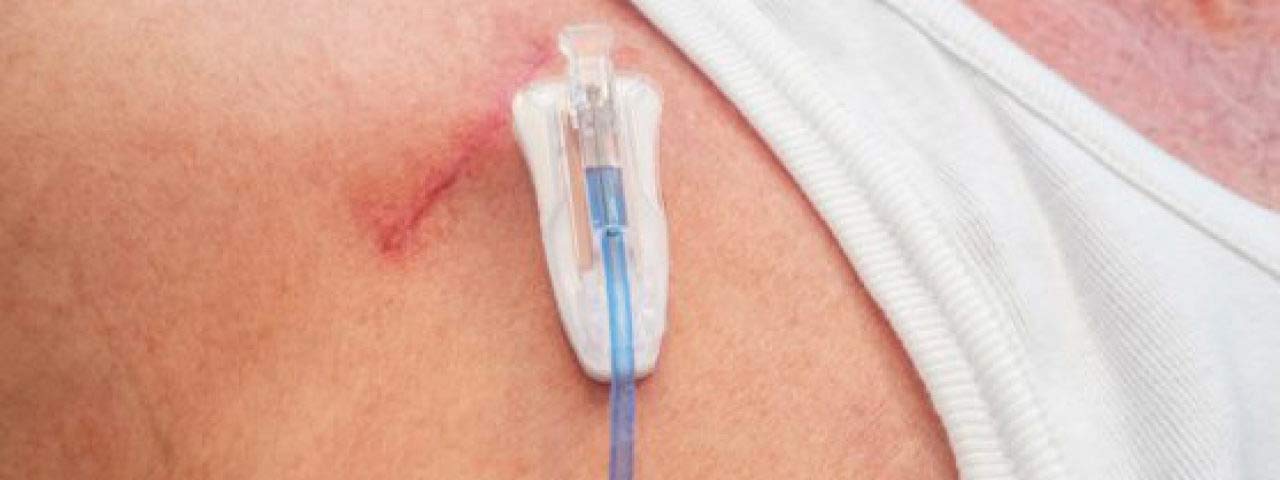
- Place a sterile gauze pad around the chest tube where it enters the skin.
- Cover with a transparent dressing to protect the site while allowing visibility.
- Secure the dressing with tape or a chest tube securement device.
- Ensure the dressing does not obstruct the tube or cause tension.
- Securing the Chest Tube:
- Ensure the tube is anchored with tape or a fixation device.
- Check that there is no kinking or pulling on the tube.
Post-Procedure Care:
- Check Dressing Integrity:
- Ensure it is secure, sterile, and free from gaps or wrinkles.
- Monitor the Site:
- Look for signs of infection, leakage, or tube dislodgment.
- Patient Education:
- Advise the patient to avoid touching the dressing or pulling the tube.
- Documentation:
- Record the procedure, date, time, observations, and any abnormalities.
Signs to Monitor for Infection or Complications:
- Increased redness, swelling, or tenderness at the site.
- Purulent discharge or foul odour.
- Fever or chills (systemic signs of infection).
- Air leakage around the insertion site.
- Tube displacement or accidental removal.
Dressing Change Frequency:
- Change every 48–72 hours or sooner if:
- The dressing becomes wet, soiled, or loose.
- There is visible drainage or bleeding.
Tips to Prevent Infection and Complications:
- Use a sterile technique during every dressing change.
- Avoid excessive manipulation of the chest tube.
- Ensure proper fixation to prevent accidental dislodgment.
- Immediately report any abnormal findings to the healthcare provider.
Would you like guidance on troubleshooting chest tube issues or dealing with specific complications?