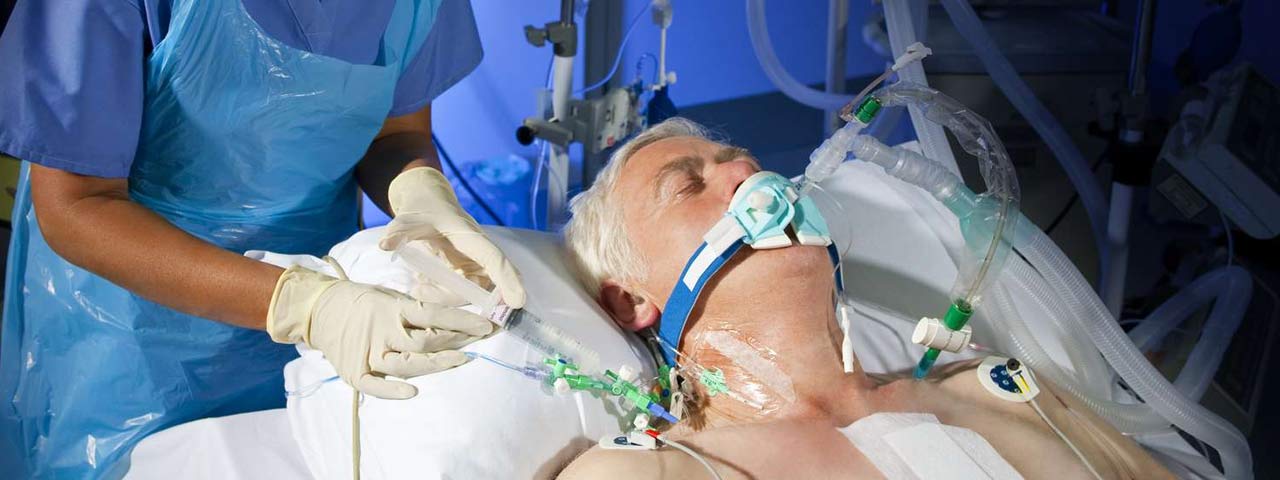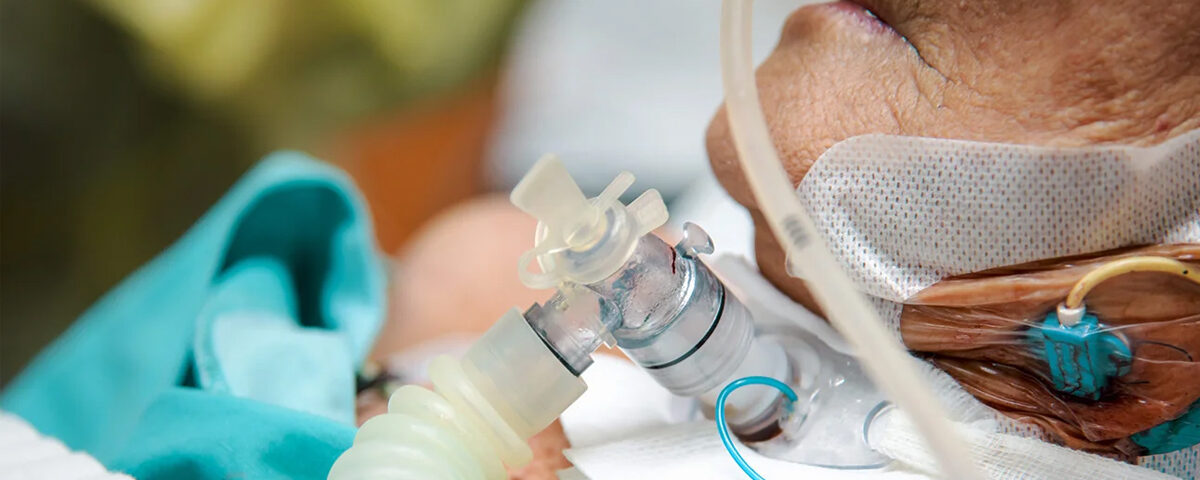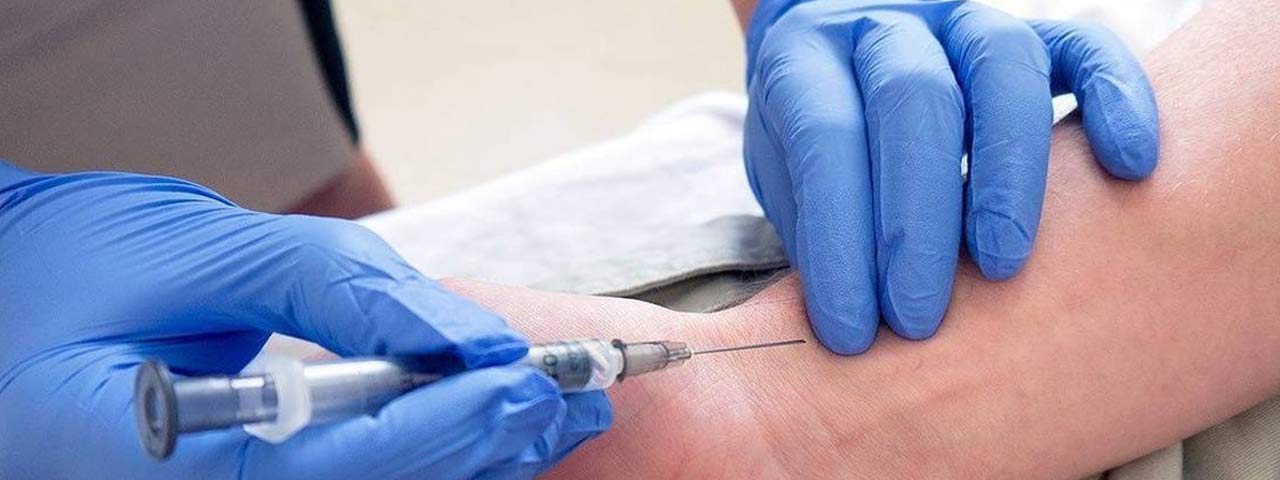
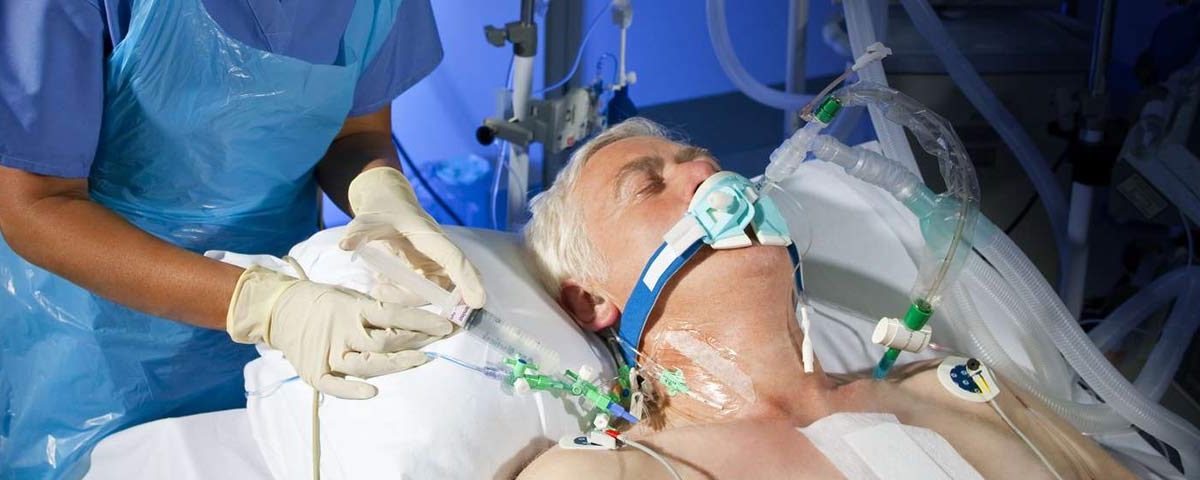
Central Line (Central Venous Catheter, CVC) placement is a procedure where a catheter is inserted into a large vein to provide long-term access for administering medications, fluids, or for monitoring hemodynamics. Common sites for insertion include the internal jugular vein, subclavian vein, and femoral vein.
Indications for Central Line Insertion:
- Medication Administration:
- For vesicant drugs, vasopressors, or chemotherapeutics.
- Hemodynamic Monitoring:
- Central venous pressure (CVP) measurement.
- Rapid Fluid Resuscitation:
- In emergencies or shock.
- Blood Sampling:
- For repeated or frequent testing.
- Dialysis Access:
- Temporary hemodialysis catheter placement.
- Total Parenteral Nutrition (TPN):
- For prolonged nutritional support.
Types of Central Lines:
- Non-Tunneled Central Lines:
- For short-term use (ICU or emergency settings).
- Tunneled Central Lines(e.g., Hickman or Broviac):
- For long-term use.
- Peripherally Inserted Central Catheters (PICC):
- Inserted through a peripheral vein.
- Implanted Ports:
- For intermittent long-term use (e.g., chemotherapy).
Pre-Procedural Preparation:
-
Equipment Needed:
- Central line kit:
- Sterile drapes, gloves, and gown.
- Antiseptic solution (chlorhexidine or povidone-iodine).
- Catheter (appropriate size and type).
- Needle, syringe, and scalpel.
- Suture and adhesive dressing.
- Ultrasound machine (if used for guided placement).
- Local anesthetic (e.g., lidocaine).
- Sterile saline or heparin flush.
- Transparent sterile dressing.
-
Patient Preparation:
- Consent:
- Explain the procedure, risks, and benefits to the patient or caregiver.
- Positioning:
- Internal jugular or subclavian access: Supine with slight Trendelenburg.
- Femoral access: Supine with the leg extended.
- Ensure Asepsis:
- Perform a full sterile hand wash and use an aseptic technique.
Procedure Steps:
- Identify the Insertion Site:
- Use anatomical landmarks or ultrasound guidance to locate the vein.
- Mark the site if needed.
- Sterilize and Drape:
- Clean the insertion area with an antiseptic solution and allow it to dry.
- Drape the patient to create a sterile field.
- Local Anesthesia:
- Infiltrate the skin and subcutaneous tissue with a local anesthetic.
- Needle Insertion and Vein Access:
- Insert the needle at the appropriate angle:
- Internal jugular: 30-40° aiming toward the sternal notch.
- Subclavian: Below the clavicle aiming toward the sternal notch.
- Femoral: At a 45° angle aiming medially.
- Confirm blood return in the syringe.
- Guidewire Insertion:
- Advance the guidewire through the needle into the vein.
- Remove the needle while ensuring the guidewire remains in place.
- Dilator and Catheter Placement:
- Use a dilator to enlarge the tract if necessary.
- Insert the catheter over the guidewire.
- Remove the guidewire, leaving the catheter in place.
- Flush and Secure:
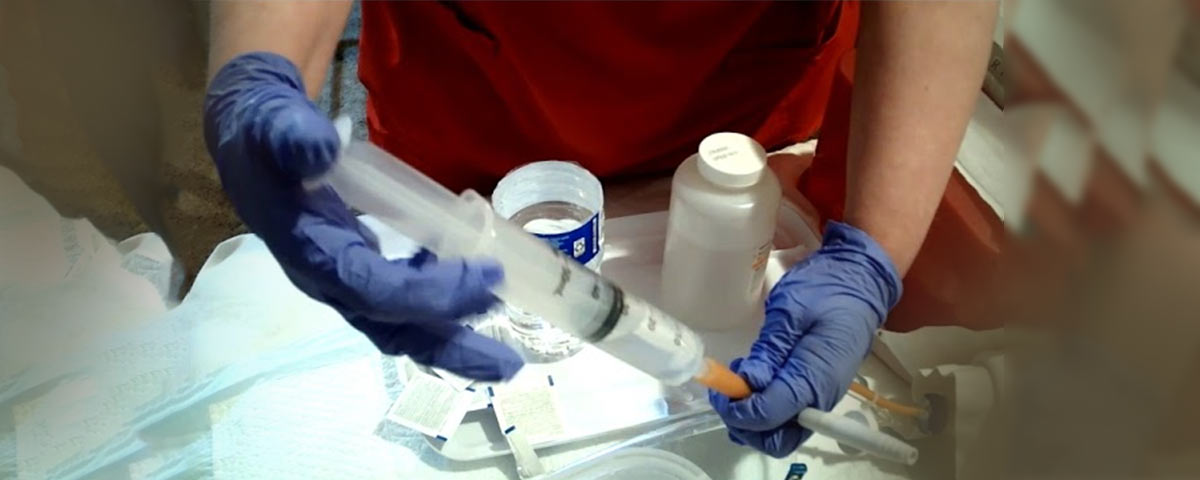
- Flush the catheter with saline or heparin.
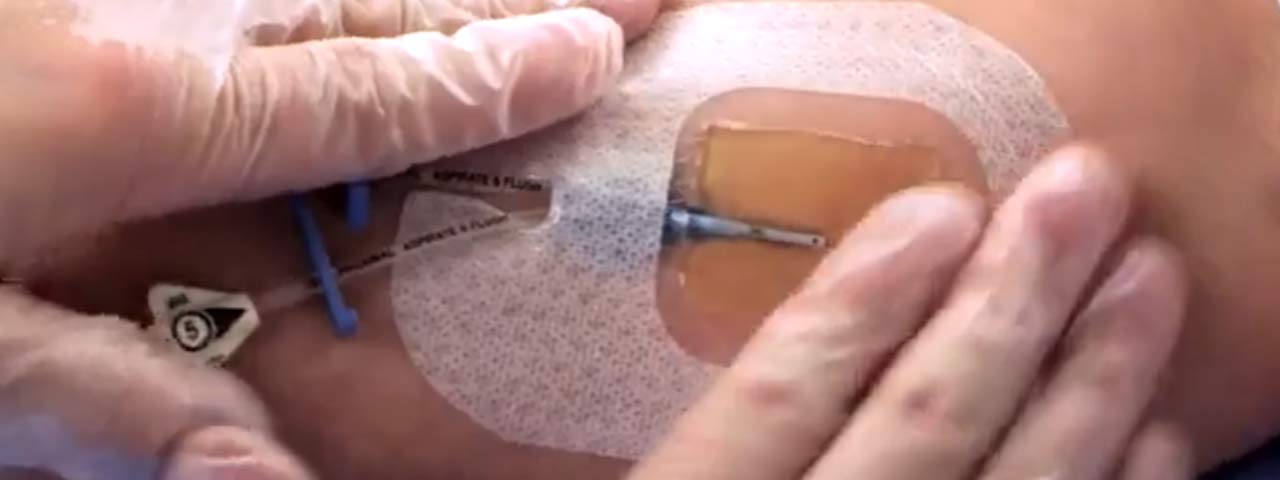
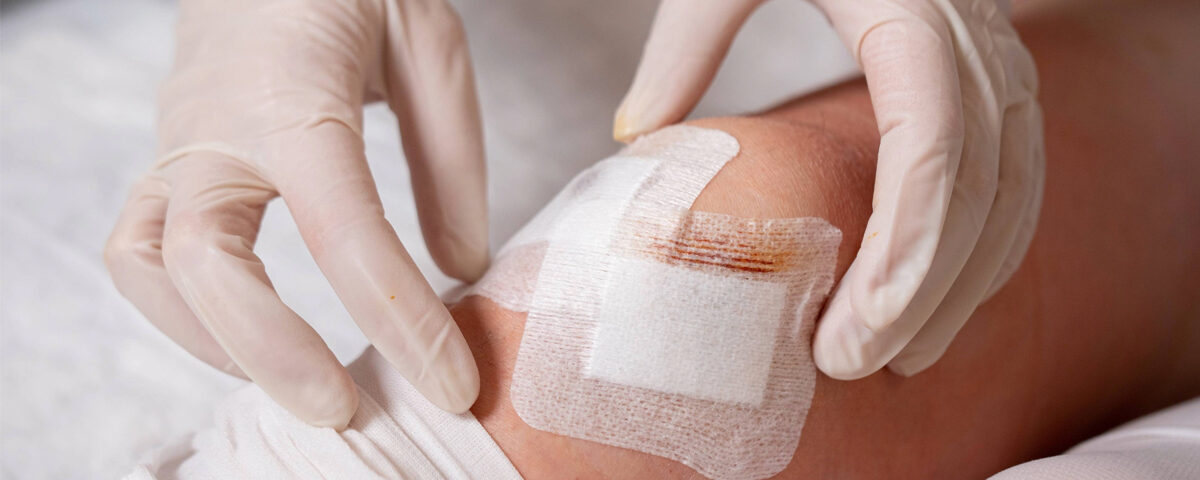
- Secure the catheter with sutures and apply a sterile dressing.
- Post-Procedure Confirmation:
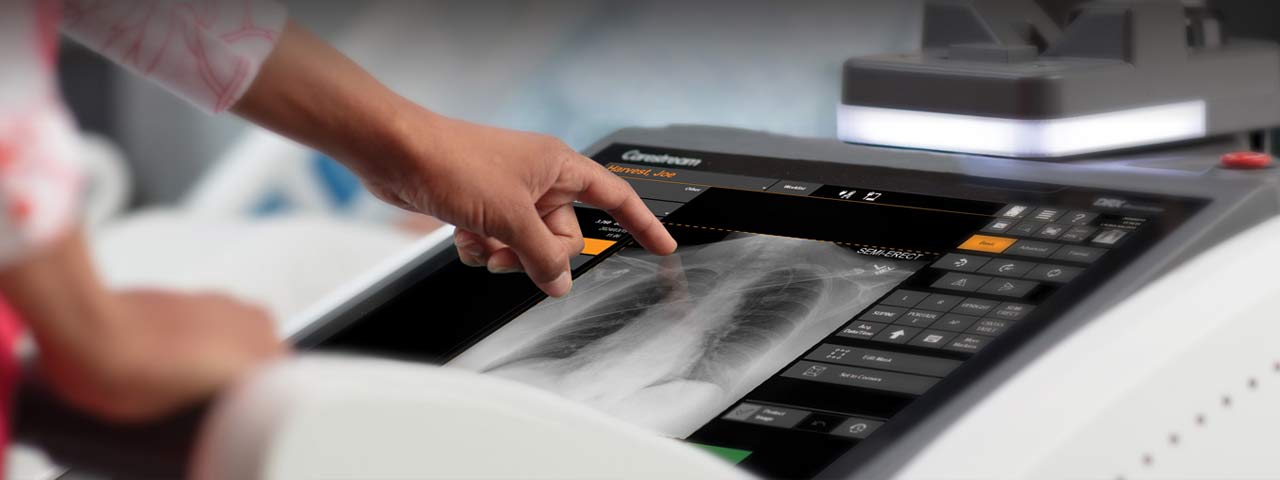
- Obtain a chest X-ray to confirm proper placement and rule out complications (e.g., pneumothorax).
Post-Procedural Care:
- Maintain Asepsis:
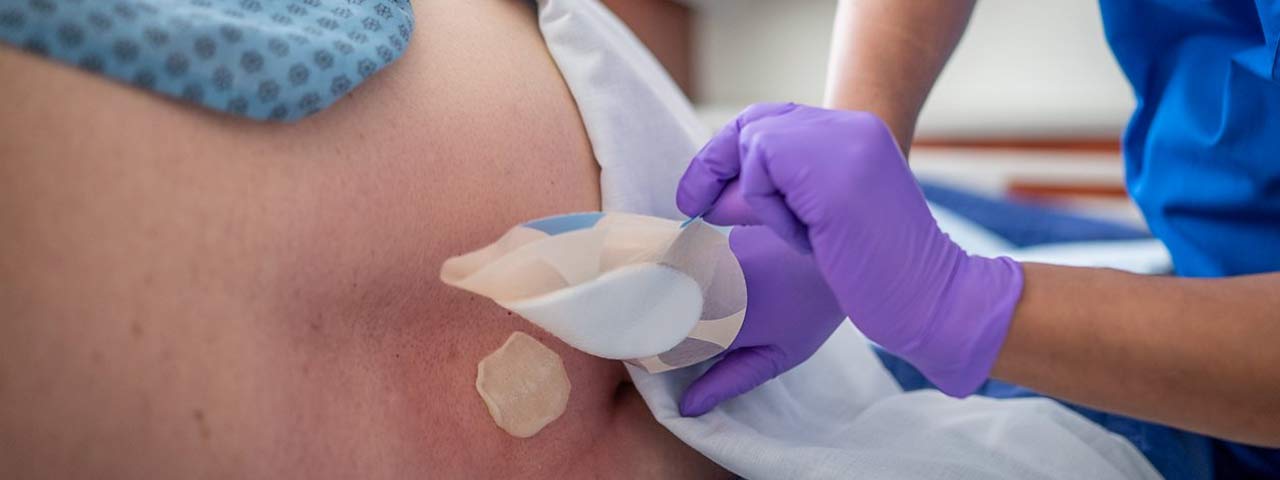
- Change dressings per the protocol and inspect the site for signs of infection.
- Flush Regularly:
- To maintain patency and prevent clots.
- Monitor for Complications:
- Look for signs of infection, thrombosis, or catheter displacement.
Potential Complications:
- Infection:
- Prevent with strict aseptic technique and proper maintenance.
- Pneumothorax:
- Common in subclavian placements; confirmed by chest X-ray.
- Arterial Puncture:
- Accidental entry into an artery instead of a vein.
- Catheter Malposition:
- Misplacement requiring adjustment under imaging.
- Thrombosis:
- Prevented by proper catheter care and regular flushing.
When to Seek Immediate Help:
- Fever or signs of systemic infection.
- Persistent swelling or pain at the site.
- Difficulty flushing or aspirating the catheter.
Would you like detailed training material for central line insertion or troubleshooting specific complications?