
Caregivers are individuals who provide care and assistance to people who are unable to fully care for themselves due to illness, disability, ageing, or other challenges. Caregiving can involve a range of tasks, from helping with daily activities to providing medical and emotional support.
Types of Caregivers:
- Professional Caregivers:
- Trained individuals employed to provide care, such as home health aides, nurses, or personal care assistants.
- Specialized Caregivers:
- Caregivers focused on specific needs, such as hospice workers for end-of-life care or caregivers for individuals with dementia.
Roles and Responsibilities:
- Daily Living Assistance:
- Helping with bathing, dressing, grooming, and toileting.
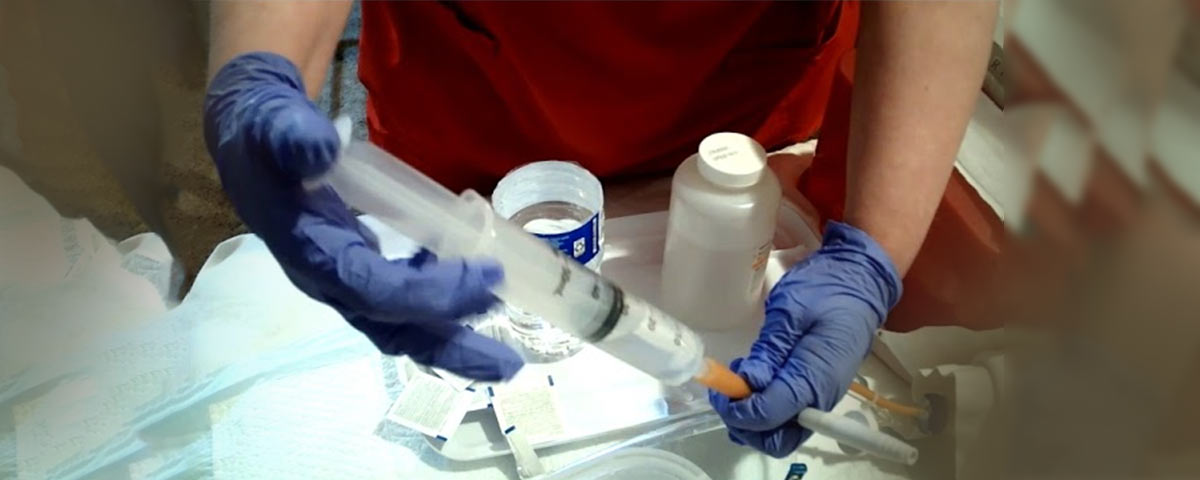
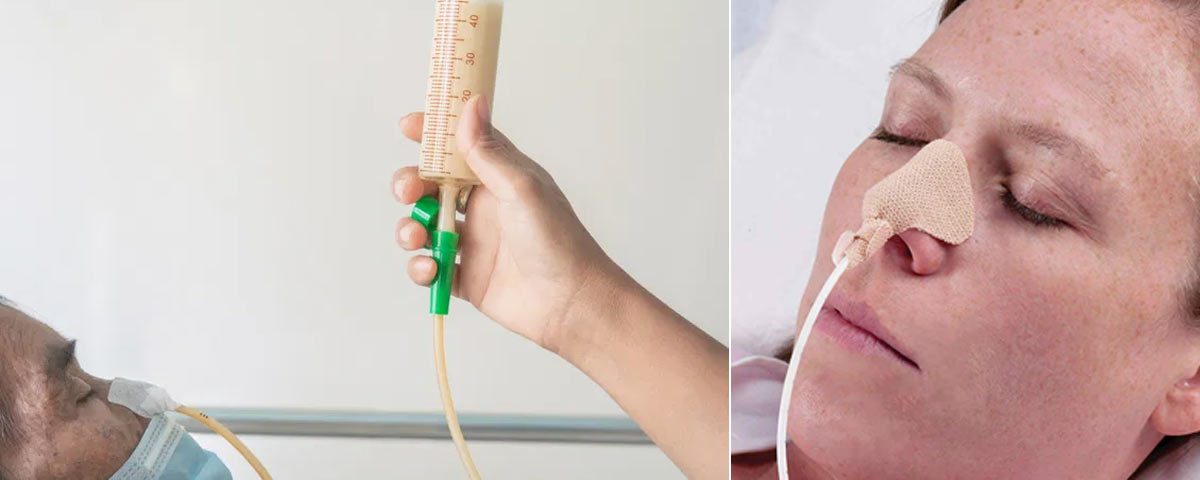
- Assisting with feeding.
- Medical Support:
- Administering medications.
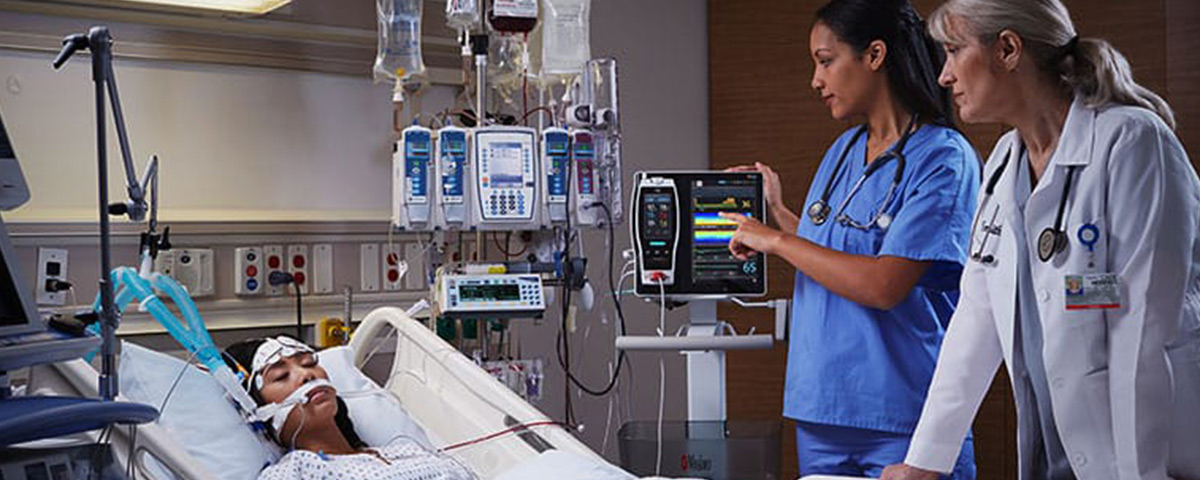
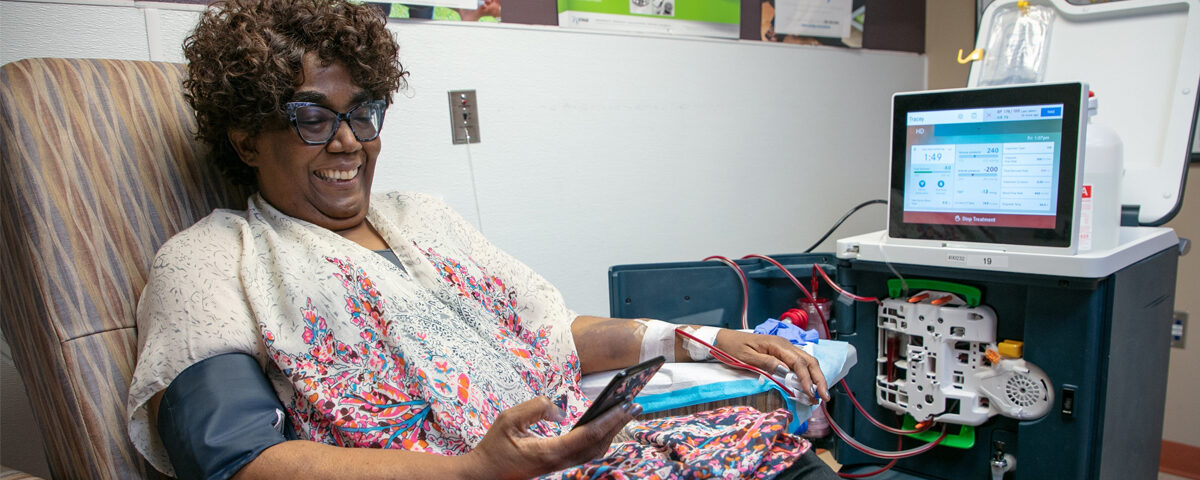
- Monitoring health conditions and symptoms.
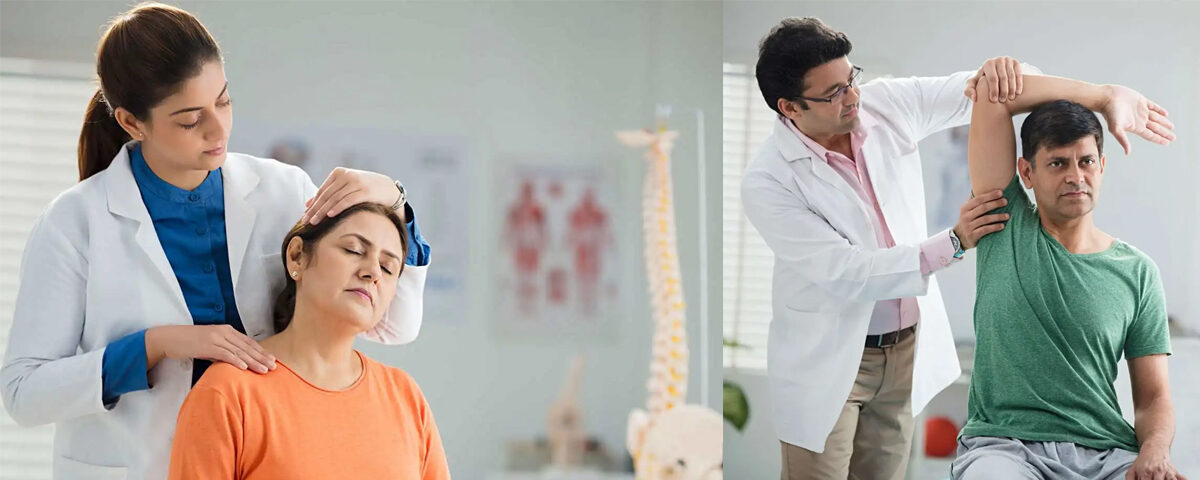
- Assisting with mobility aids or physical therapy exercises.
- Emotional Support:
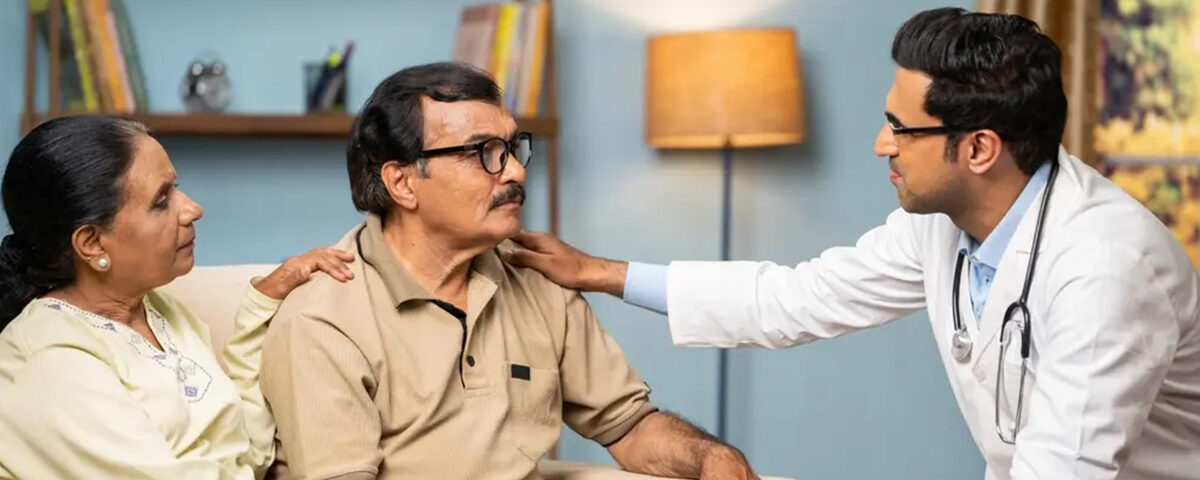
- Providing companionship and alleviating feelings of isolation or depression.
- Engaging in activities to improve the emotional well-being of the person receiving care.
- Coordination:
- Communicating with healthcare providers.
- Managing appointments, medication schedules, and care plans.
Challenges Faced by Caregivers:
- Physical Strain:
- Demanding tasks such as lifting or prolonged physical activity.
- Emotional Stress:
- Coping with the decline or loss of a loved one.
- Balancing caregiving with personal responsibilities.
- Financial Impact:
- Potential loss of income or added expenses for caregiving.
- Burnout:
- Overwhelming fatigue and exhaustion from continuous caregiving duties.
Recognizing Caregiver Contributions:
Caregivers play a vital role in supporting the health and well-being of individuals, often at great personal sacrifice. Acknowledging and supporting them is critical for maintaining their health and ensuring sustainable caregiving practices.
Would you like information on resources for caregivers, training programs, or specific challenges?